Introduction
The Perote Deermouse, scientifically known as Peromyscus bullatus, is a fascinating yet lesser-known mammal species endemic to Mexico. This small rodent finds its home in the unique ecosystems of the high-altitude regions of the state of Veracruz. Despite its limited distribution, the Perote Deermouse plays a significant role in its habitat. This article delves into the various aspects of this intriguing species, offering insights into its physical characteristics, behavior, habitat preferences, and conservation status.
Physical Description
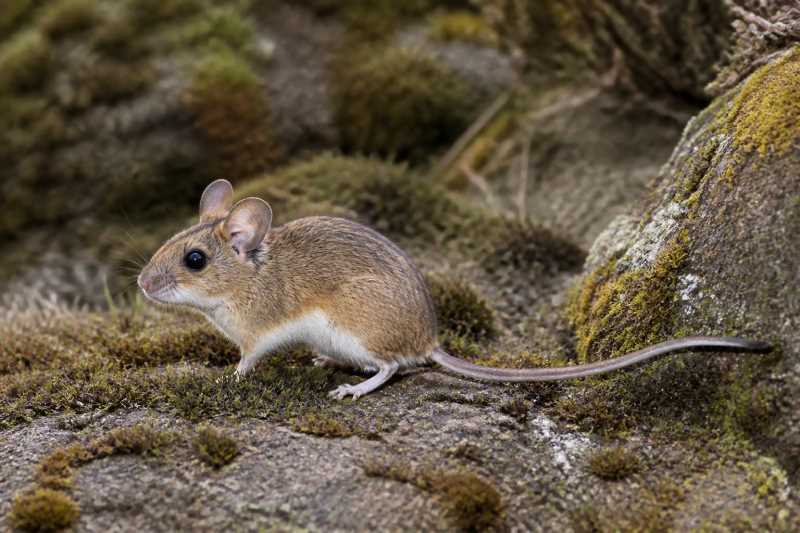
The Perote Deermouse is a small rodent within the family Cricetidae. It possesses a compact body with a total length ranging from 180 to 210 millimeters, which includes its long, bicolored tail that can measure up to 110 millimeters. The species weighs between 25 to 35 grams. Its fur is notably soft and dense, with a dorsal side that displays a grayish-brown color, while the ventral side is covered in lighter, whitish fur. This coloration provides effective camouflage against the rocky and grassy terrains of its natural habitat.
The Perote Deermouse has large, prominent eyes and ears, adaptations that enhance its nocturnal lifestyle. Its ears are rounded and relatively hairless, while its whiskers are long, aiding in navigation in the dark. The feet of Peromyscus bullatus are adapted for climbing, with sharp claws that assist in gripping surfaces.
Range and Habitat
The Perote Deermouse is endemic to the Trans-Mexican Volcanic Belt, specifically in the high-altitude regions surrounding the Perote Valley in Veracruz, Mexico. This area is characterized by a mix of pine-oak forests, grasslands, and rocky outcrops. The species primarily inhabits altitudes ranging from 2,500 to 3,000 meters above sea level.
This deermouse prefers habitats with abundant ground cover, which offers protection from predators and harsh weather conditions. It is commonly found in areas with a dense understory and a variety of vegetation types, providing ample foraging opportunities and nesting sites.
Behavior and Diet
The Perote Deermouse is primarily nocturnal, spending most of its daytime hours in burrows or nests hidden among rocks or dense vegetation. It is a solitary and territorial species, with individuals establishing and defending their home ranges.
Dietary habits of the Perote Deermouse are omnivorous. It primarily feeds on seeds, fruits, and small invertebrates, with its diet varying seasonally based on availability. The species plays a role in seed dispersion, contributing to the ecological dynamics of its habitat.
Reproduction in Peromyscus bullatus is not well-documented, but it is presumed to follow the general patterns observed in related species, with breeding occurring in the warmer months and litters consisting of 2 to 6 young.
Identification Tips (Field Recognition Cues)
Identifying the Perote Deermouse in the field requires attention to several key features:
- Size and Shape: Look for a small rodent with a total length of 180-210 millimeters and a distinctly long tail.
- Coloration: Note the grayish-brown dorsal fur contrasting with a white underside.
- Ears and Eyes: Large, rounded ears and prominent eyes are indicative of the species.
- Tail: A bicolored tail that is longer than the body aids in climbing and balance.
These characteristics, combined with the knowledge of its preferred high-altitude habitat, can help in accurately identifying the Perote Deermouse during field studies.
Conservation Status (With Threats and Protections)
The Perote Deermouse is classified as Vulnerable according to the International Union for Conservation of Nature (IUCN). Its limited distribution and specialized habitat make it susceptible to various threats. Habitat destruction due to agricultural expansion, urbanization, and deforestation poses significant risks to its survival.
Conservation efforts for the Perote Deermouse focus on habitat protection and restoration. Ensuring the preservation of its natural habitat within the Trans-Mexican Volcanic Belt is crucial. Local and national conservation programs aim to mitigate the impacts of land-use changes and promote sustainable practices that benefit both the species and the local communities.
Frequently Asked Questions
What does the Perote Deermouse eat?
The Perote Deermouse is omnivorous, feeding on seeds, fruits, and small invertebrates. Its diet varies with seasonal availability, and it plays a role in seed dispersion within its ecosystem.
Where can the Perote Deermouse be found?
This species is endemic to the high-altitude regions of the Perote Valley in Veracruz, Mexico, inhabiting pine-oak forests, grasslands, and rocky outcrops.
How does the Perote Deermouse protect itself from predators?
The Perote Deermouse uses its coloration for camouflage and relies on its nocturnal habits to avoid predators. It also utilizes dense vegetation and rocky crevices for shelter.
What are the main threats to the Perote Deermouse?
Major threats include habitat destruction due to agriculture, urbanization, and deforestation. Conservation efforts focus on habitat protection and sustainable land-use practices.
How can you identify a Perote Deermouse in the wild?
Look for a small rodent with grayish-brown dorsal fur, a white underside, large ears, and a long bicolored tail, typically found in high-altitude habitats in Veracruz.
Related posts