Introduction
The Sagebrush Vole, scientifically known as Lemmiscus curtatus, is a small rodent found predominantly in the western regions of North America. Recognized for its distinct adaptations to arid environments, the Sagebrush Vole is an intriguing subject of study in the field of mammalogy. As a member of the Cricetidae family, this species plays a significant ecological role in its habitat, primarily through its interactions with vegetation and predators. Despite its relatively obscure status compared to more commonly known mammals, the Sagebrush Vole is a vital component of the ecosystem and offers valuable insights into the adaptability of small mammals to harsh climates.
Physical Description
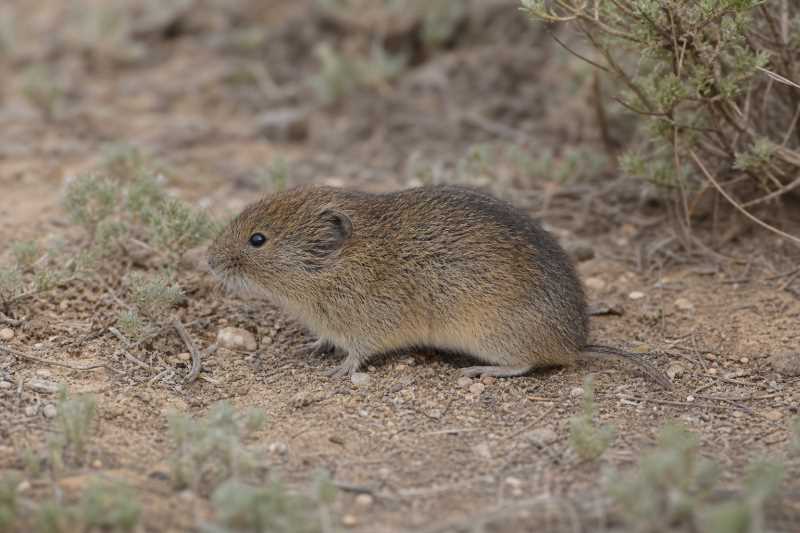
The Sagebrush Vole is a small, compact rodent, typically measuring between 11 to 14 centimeters in length, with a tail that adds an additional 2 to 3 centimeters. It weighs approximately 25 to 35 grams. The vole’s fur is soft and dense, predominantly gray-brown, which provides excellent camouflage against the dry, rocky substrates of its habitat. Unlike some of its relatives, the Sagebrush Vole has a notably short tail and small ears, adaptations believed to minimize water loss and aid in thermoregulation. Its incisors are sharp and continuously growing, a common trait among rodents that facilitates their gnawing habits.
Range and Habitat
The Sagebrush Vole is widely distributed across the western United States, extending from the southern parts of Canada down to northern Mexico. Its range includes states such as Idaho, Nevada, Utah, Oregon, and into the Great Basin region. This species is highly adapted to arid environments, typically inhabiting sagebrush flats, desert scrublands, and grasslands. The vole’s preference for open, sparsely vegetated areas allows it to exploit niches that are less competitive than those in more densely vegetated habitats. The presence of sagebrush, a key component of its habitat, is crucial for providing both food and cover from predators.
Behavior and Diet
Sagebrush Voles are primarily crepuscular, being most active during the early morning and late afternoon. This behavior helps them avoid the extreme temperatures of their desert environment. They are social animals, often forming small colonies that work together to dig extensive burrow systems. These burrows serve as protection from predators and harsh weather conditions.
The diet of the Sagebrush Vole is herbivorous, consisting mainly of grasses, herbs, and seeds. Sagebrush forms a significant part of their diet, not only as a food source but also as a means of hydration, as the plant contains enough moisture to sustain the voles in their arid habitats. Their feeding habits have a substantial impact on the vegetation dynamics of their environment, influencing plant community structures.
Identification Tips
When attempting to identify the Sagebrush Vole in the field, there are several key characteristics to consider:
- Size and Shape: Look for a small rodent with a compact body, measuring around 11 to 14 cm in length with a notably short tail.
- Fur Color: Notice the gray-brown fur that helps it blend into the sagebrush and desert scrub environments.
- Ear and Tail Features: Unlike some other voles, the Sagebrush Vole has small ears and a short tail, adaptations suited to its dry habitat.
- Habitat: Observe the surroundings; if you are in a sagebrush-dominated area within their known range, the likelihood of encountering a Sagebrush Vole increases.
- Behavior: Watch for their characteristic burrowing activity and social interactions in small groups.
Conservation Status
The Sagebrush Vole is currently classified as a species of Least Concern by the International Union for Conservation of Nature (IUCN). Despite its stable population, the species faces several threats that could impact its future status. Habitat loss due to agricultural expansion and urban development poses a significant threat. Additionally, climate change could alter the sagebrush ecosystems that are crucial to the vole’s survival.
Conservation efforts for the Sagebrush Vole primarily focus on habitat preservation. Protecting large tracts of sagebrush habitat from development and degradation is vital. Organizations and governmental bodies are working to ensure that these habitats remain viable and that the voles can continue to thrive in their natural environments.
Frequently Asked Questions
What are the predators of the Sagebrush Vole?
The Sagebrush Vole’s primary predators include birds of prey such as hawks and owls, as well as terrestrial predators like foxes and coyotes. Their burrowing behavior and cryptic coloration help them evade these threats.
How do Sagebrush Voles contribute to their ecosystem?
Sagebrush Voles play a crucial role in their ecosystem by influencing the composition of plant communities through their feeding habits and by serving as a food source for a variety of predators.
How can climate change affect the Sagebrush Vole?
Climate change poses a risk to the Sagebrush Vole by potentially altering the sagebrush habitats they rely on. Changes in temperature and precipitation patterns could impact food availability and habitat suitability.
Are Sagebrush Voles solitary or social animals?
Sagebrush Voles are social creatures that often live in small colonies. Their social structure involves cooperation in burrowing and foraging, which enhances their survival in harsh environments.
What adaptations help the Sagebrush Vole survive in arid environments?
The Sagebrush Vole has several adaptations for survival in arid environments, including a small size to reduce water loss, dense fur for temperature regulation, and a diet that allows them to extract moisture from their food.
Related posts