Strand’s Birch Mouse: An In-Depth Exploration
Introduction
The Strand’s Birch Mouse, scientifically known as Sicista strandi, is a small rodent belonging to the family Dipodidae. This elusive species is primarily found in specific regions of Eastern Europe and parts of Asia. Known for its distinctive jumping abilities and nocturnal habits, the Strand’s Birch Mouse plays a unique role in its ecosystem. Despite its diminutive size, this species has captured the attention of scientists and conservationists due to its specialized habitat requirements and the threats it faces in the wild.
Physical Description
Strand’s Birch Mouse is a small rodent, with adults typically measuring between 50 to 70 millimeters in body length, not including their tail, which can add an additional 80 to 110 millimeters. Weighing only around 5 to 10 grams, these mice are agile and adept jumpers, a trait that distinguishes them from many other small rodents.
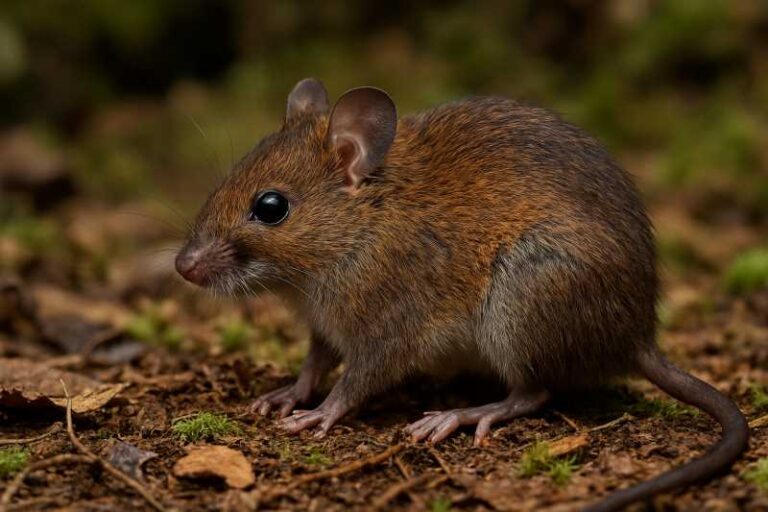
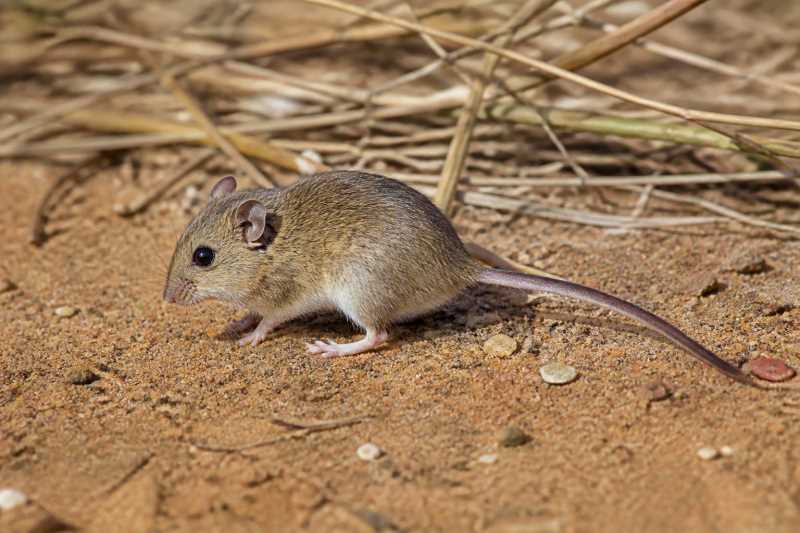
Their fur is soft and dense, providing insulation against the cooler climates they inhabit. The dorsal coloration ranges from light brown to a darker, more reddish-brown, which helps camouflage them in their natural habitat of dense vegetation and forest floors. The underbelly is usually a lighter shade, often a creamy white or pale gray, providing a subtle contrast.
The mouse’s large, rounded ears and prominent eyes are adaptations for its nocturnal lifestyle, enhancing its ability to detect predators and forage effectively at night. Their long, whisker-like vibrissae are sensitive, aiding in navigation and environmental perception.
Range and Habitat
Strand’s Birch Mouse is distributed across a limited range, primarily found in Eastern Europe, spanning parts of Russia, Ukraine, and possibly into the western fringes of Asia. Their habitat consists mainly of dense forests, shrubby areas, and wooded steppes, where they can find ample cover and forage.
These mice prefer environments with abundant ground cover, which provides protection from predators and harsh weather conditions. They are also found in areas with rich leaf litter, which supports a healthy population of insects and seeds, their primary food sources. Seasonal changes influence their habitat preferences, with some populations migrating short distances to find optimal conditions throughout the year.
Behavior and Diet
Strand’s Birch Mouse is primarily nocturnal, being most active during the night when it forages for food. Their diet is omnivorous, consisting of seeds, fruits, insects, and occasionally small invertebrates. This varied diet allows them to adapt to seasonal changes in food availability.
These mice are solitary creatures, except during the breeding season. They communicate through a series of high-pitched vocalizations and use scent markings to establish territory and convey reproductive status.
In terms of reproduction, females typically have one or two litters per year, with a gestation period of around 20 to 25 days. Each litter usually consists of 3 to 6 young, which are weaned after about three weeks.
Identification Tips (Field Recognition Cues)
Identifying Strand’s Birch Mouse in the field can be challenging due to its elusive nature and the similarity to other small rodents. However, some key features can help:
- Tail Length: The tail is significantly longer than the body, often used as a balancing tool during their agile jumps.
- Fur Coloration: Look for the characteristic brown to reddish-brown dorsal fur and lighter underbelly.
- Behavior: Observe their distinctive hopping movements, which set them apart from other mice that primarily scurry.
- Ear Size: Large, rounded ears relative to body size are a notable feature.
- Habitat: They are more likely to be found in dense, shrubby environments with rich leaf litter.
Conservation Status
Strand’s Birch Mouse is currently classified as Near Threatened by the International Union for Conservation of Nature (IUCN), mainly due to habitat loss and fragmentation. The primary threats include agricultural expansion, deforestation, and urban development, which encroach upon their natural habitats.
Conservation efforts are in place to protect remaining habitats and establish protected areas. These efforts include habitat restoration projects and legal protections against deforestation. Increased awareness and research are crucial for developing effective conservation strategies.
Frequently Asked Questions
What is the natural habitat of Strand’s Birch Mouse?
Strand’s Birch Mouse inhabits dense forests, shrublands, and wooded steppes across Eastern Europe and parts of Asia. They prefer areas with ample ground cover and rich leaf litter for protection and foraging.
How does Strand’s Birch Mouse differ from other mice?
Strand’s Birch Mouse is distinct due to its long tail, large ears, and unique hopping movements. Their fur coloration and preference for dense, shrubby habitats also help differentiate them from other small rodents.
What are the main threats to Strand’s Birch Mouse?
The primary threats include habitat loss due to agricultural expansion, deforestation, and urbanization. These activities lead to fragmentation of their natural habitats and pose significant risks to their populations.
How can we help conserve Strand’s Birch Mouse?
Supporting habitat conservation efforts, promoting sustainable land use practices, and raising awareness about their ecological importance are key actions to help conserve Strand’s Birch Mouse.
Are there any unique behaviors of Strand’s Birch Mouse?
Yes, they are known for their distinctive hopping movements and nocturnal foraging habits. They communicate through vocalizations and scent markings, particularly during the breeding season.
Related posts