Introduction
The Persian Trident Bat, scientifically named Triaenops persicus, is a fascinating species that piques the interest of bat enthusiasts and researchers alike. Known for its distinct trident-shaped nose leaf, this bat is a remarkable representative of the mammalian order Chiroptera. This article delves into various aspects of the Persian Trident Bat, exploring its unique physical characteristics, habitat preferences, behavioral patterns, conservation status, and more. As we journey into the world of this intriguing species, we uncover the ecological significance and adaptations that make the Persian Trident Bat a vital component of its ecosystem.
Physical Description
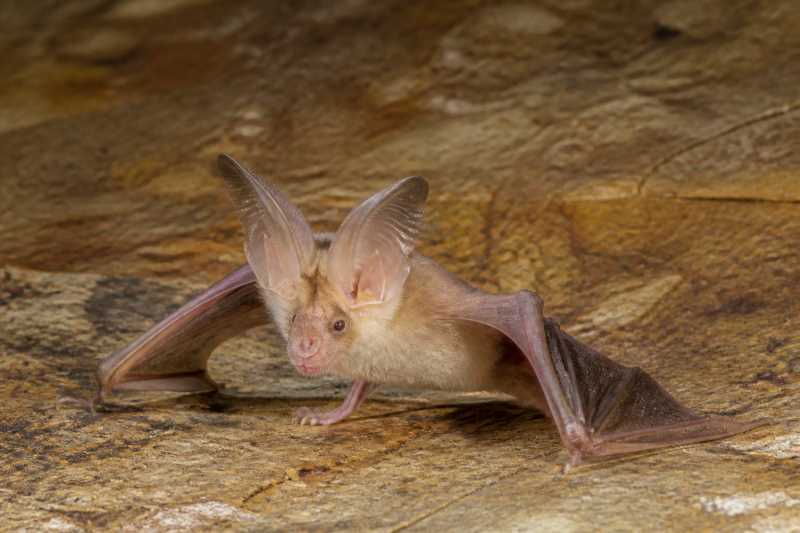
The Persian Trident Bat is a medium-sized bat species distinguished by its unique facial structure. One of its most notable features is the trident-shaped nose leaf, which plays a crucial role in echolocation, allowing the bat to navigate and hunt effectively in the dark. The nose leaf is not only functional but also serves as a key identification marker for the species.
The bat’s fur is typically a blend of grayish-brown hues, providing excellent camouflage against the rocky terrains it often inhabits. The underbelly is usually lighter, aiding in thermal regulation and blending with the sky when viewed from below by predators. The Persian Trident Bat has a wingspan ranging from 30 to 35 centimeters and a body length of approximately 5 to 7 centimeters, making it a relatively small but agile flyer.
Its ears are moderately large and rounded, enhancing its ability to detect sound waves. The bat’s eyes are small but adapted to low-light conditions, complementing its nocturnal lifestyle.
Range and Habitat
The Persian Trident Bat is primarily found across parts of the Middle East and South Asia. Its range extends from Iran, through parts of Pakistan, and into the Arabian Peninsula. The species favors arid and semi-arid environments, often taking refuge in caves, crevices, and old buildings that provide the dark, secluded spaces ideal for roosting.
These bats are particularly adapted to hot, dry climates, and their distribution is closely tied to the availability of suitable roosting sites and water sources. They are often found in areas where insect prey is abundant, which is critical for their survival. The Persian Trident Bat has shown a remarkable ability to adapt to human-altered landscapes, often roosting in abandoned structures in urban and rural settings.
Behavior and Diet
The Persian Trident Bat is a nocturnal creature, with its activities primarily occurring at night. It emerges from its roosts at dusk to embark on foraging expeditions, using its sophisticated echolocation abilities to hunt for insects. The bat’s diet mainly consists of moths, beetles, and other small flying insects, which it captures mid-flight using its agile and swift flying techniques.
Socially, the Persian Trident Bat is known to form colonies, which can vary in size depending on environmental conditions and availability of resources. During the day, these bats rest in their roosts, using the time to conserve energy for the night ahead. They are also known for their keen sense of direction and memory, often returning to the same roosting sites after foraging.
Reproduction in Persian Trident Bats is seasonal, with mating typically occurring in the warmer months. Females give birth to a single pup after a gestation period of approximately three to four months. The young are nurtured in maternity colonies until they are capable of independent flight and foraging.
Identification Tips (Field Recognition Cues)
Identifying the Persian Trident Bat in the field involves recognizing several key characteristics:
- Nose Leaf: The distinctive trident-shaped nose leaf is a primary identification marker.
- Coloration: Look for the grayish-brown fur with a lighter underbelly.
- Size: Note the medium size, with a wingspan of 30 to 35 centimeters.
- Echolocation Calls: Listen for their unique echolocation calls, which can be detected using bat detectors.
- Roosting Habits: Look for them in caves, crevices, and old buildings, particularly in arid regions.
Conservation Status (with threats and protections)
As of the latest assessments, the Persian Trident Bat is not listed as a threatened species on the IUCN Red List. However, like many bat species, it faces several threats that could impact its population in the future.
Threats:
- Habitat Loss: Urbanization and agricultural expansion are leading to the destruction of natural roosting sites.
- Disturbance: Human activities such as caving and tourism can disturb roosting colonies.
- Climate Change: Alterations in climate patterns may affect the availability of prey and suitable habitats.
Protections:
- Protected Areas: Some regions within its range are designated as protected areas, offering some level of habitat conservation.
- Research and Monitoring: Ongoing studies and monitoring efforts help track population trends and identify conservation priorities.
- Public Awareness: Educating communities about the ecological role of bats can foster conservation efforts.
Frequently Asked Questions
1. What is the primary diet of the Persian Trident Bat?
The Persian Trident Bat primarily feeds on insects, including moths, beetles, and other small flying insects. Its echolocation abilities allow it to hunt effectively during its nocturnal foraging activities.
2. How does the Persian Trident Bat use its trident-shaped nose leaf?
The trident-shaped nose leaf is integral to the bat’s echolocation system. It helps focus sound waves emitted by the bat, enhancing its ability to detect and capture prey in the dark.
3. Where can the Persian Trident Bat be found?
This bat species is found across parts of the Middle East and South Asia, particularly in Iran, Pakistan, and the Arabian Peninsula. It prefers arid and semi-arid environments with suitable roosting sites.
4. What are the main threats to the Persian Trident Bat?
The main threats include habitat loss due to urbanization, disturbance from human activities, and potential impacts from climate change, which can alter prey availability and habitat conditions.
5. Are Persian Trident Bats social creatures?
Yes, Persian Trident Bats are social and often form colonies that vary in size. These colonies provide social structure and protection, particularly during roosting and rearing of young.
Related posts