Introduction
The Northern Dwarf Bonneted Bat, scientifically known as Eumops nanus, is a fascinating species within the Molossidae family, commonly referred to as free-tailed bats. These diminutive creatures are notable for their swift, agile flight and are native to parts of Central and South America. Despite their small size, they play a significant role in their ecosystems, particularly in pest control through their insectivorous diet.
Understanding the Northern Dwarf Bonneted Bat is crucial for bat enthusiasts and conservationists alike. This article delves into the physical characteristics, habitat, behaviors, and conservation status of this remarkable species, offering insights into their ecological importance and the challenges they face in the wild.
Physical Description
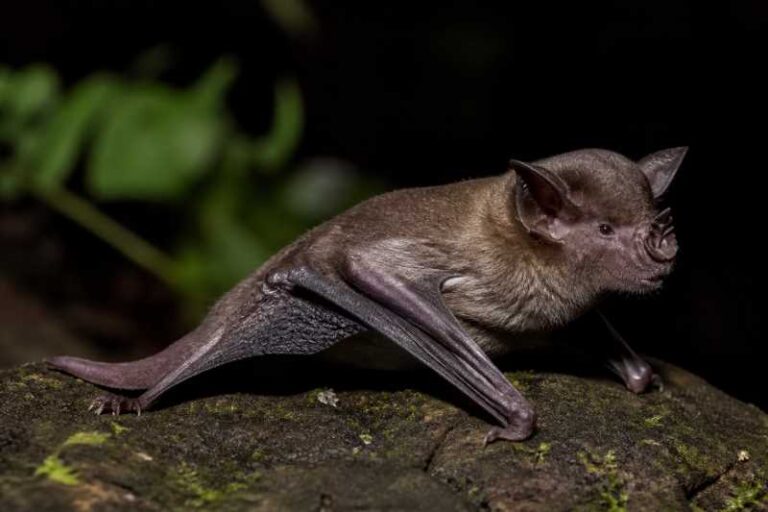
The Northern Dwarf Bonneted Bat is relatively small, measuring approximately 9 to 11 centimeters in body length, with a wingspan ranging from 25 to 30 centimeters. Their weight is quite light, typically between 8 to 12 grams. This species displays sexual dimorphism, with females generally larger than males.
These bats exhibit a distinct physical appearance characterized by their elongated snouts and large, forward-pointing ears, which are crucial for their echolocation abilities. Their fur is typically a dark brown or grayish color, providing excellent camouflage against tree bark and other natural surroundings. The tail of the Northern Dwarf Bonneted Bat extends beyond the uropatagium—a membrane that stretches between their hind legs—which is a characteristic feature of free-tailed bats.
Range and Habitat
The Northern Dwarf Bonneted Bat is predominantly found in regions ranging from southern Mexico through Central America and into parts of South America, including Colombia and Venezuela. They are versatile in their habitat preferences, occupying both lowland tropical forests and dry deciduous woodlands.
These bats are roosting specialists, often found in tree hollows, under bark, or in man-made structures such as buildings and bridges. They prefer areas that provide ample cover and are rich in insect prey, making them common in regions with a healthy abundance of flying insects.
Behavior and Diet
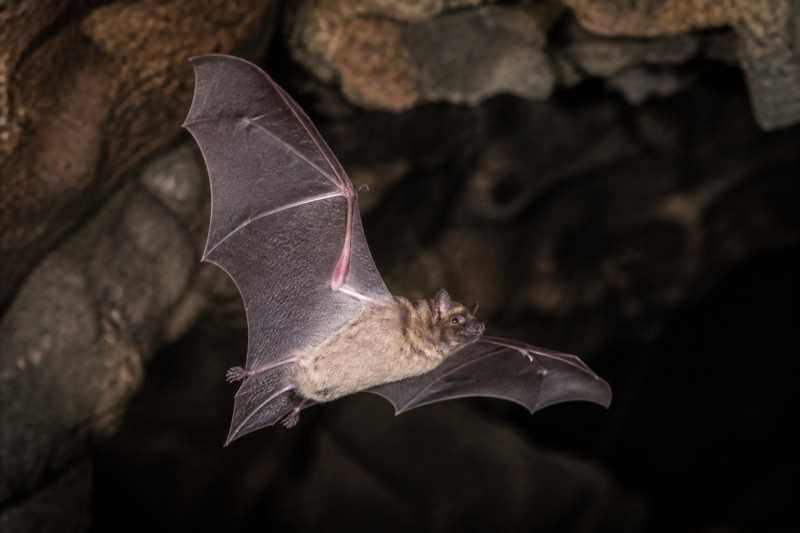
Northern Dwarf Bonneted Bats are nocturnal, emerging at dusk to embark on foraging flights. They are highly skilled aerial hunters, capable of catching insects in flight with their agile maneuvers. Their diet primarily consists of moths, beetles, and other flying insects, which they detect using sophisticated echolocation.
Socially, these bats are known to form small colonies. Their communication is facilitated by a series of complex vocalizations, which are not only used for echolocation but also for social interaction within the roost. Breeding typically occurs once a year, with females giving birth to a single pup, which she nurses and cares for until it is capable of independent flight.
Identification Tips
Identifying the Northern Dwarf Bonneted Bat in the field can be challenging due to their nocturnal habits and small size. However, there are specific cues that can aid in recognition:
- Echolocation Calls: These bats emit high-frequency calls that can be detected using bat detectors.
- Flight Pattern: They exhibit a rapid, direct flight, often seen darting swiftly through clearings and open spaces.
- Roosting Sites: During the day, look for them in tree hollows or under loose bark where they may be resting.
- Physical Features: Note their large ears and the extended tail beyond the wing membrane.
Conservation Status
The conservation status of the Northern Dwarf Bonneted Bat is currently listed as Least Concern by the International Union for Conservation of Nature (IUCN). However, this does not imply that the species is free from threats.
Key threats include habitat loss due to deforestation and urban expansion, which reduce the availability of roosting sites and food resources. Pesticide use also poses a significant risk by diminishing insect populations that these bats rely on for nourishment.
Conservation efforts are focused on habitat protection and management, promoting practices that preserve roosting sites and enhance insect populations. Awareness programs aimed at reducing pesticide use can also contribute to the conservation of this and other bat species.
Frequently Asked Questions
What is the primary diet of the Northern Dwarf Bonneted Bat?
The Northern Dwarf Bonneted Bat primarily feeds on flying insects, including moths and beetles. Their diet is crucial for controlling insect populations, making them valuable in agricultural settings.
How do Northern Dwarf Bonneted Bats navigate and hunt?
These bats utilize echolocation to navigate and hunt. They emit high-frequency calls that bounce off objects, allowing them to perceive their surroundings and locate prey even in complete darkness.
Where can Northern Dwarf Bonneted Bats typically be found?
They are typically found in southern Mexico, Central America, and parts of South America. Their habitats include tropical forests, dry woodlands, and sometimes urban areas where they can find suitable roosts.
Are Northern Dwarf Bonneted Bats social animals?
Yes, they are social creatures that often form small colonies. Vocalizations play a crucial role in their social interactions, both within the roost and during foraging activities.
What are the main threats to the Northern Dwarf Bonneted Bat?
The main threats include habitat loss from deforestation, urban development, and pesticide use, which reduce their food sources and roosting opportunities.
Related posts