White-bellied Grass Mouse (Akodon albiventer): An In-depth Look
Introduction
The White-bellied Grass Mouse, scientifically known as Akodon albiventer, is a fascinating species within the Cricetidae family. This small mammal is primarily found in the high-altitude regions of South America and plays a significant role in its ecosystem. Despite its relatively small size, the White-bellied Grass Mouse has garnered attention due to its adaptive traits and ecological importance. In this article, we delve into the various aspects of this intriguing species, from its physical characteristics to its habitat, behavior, and conservation status.
Physical Description
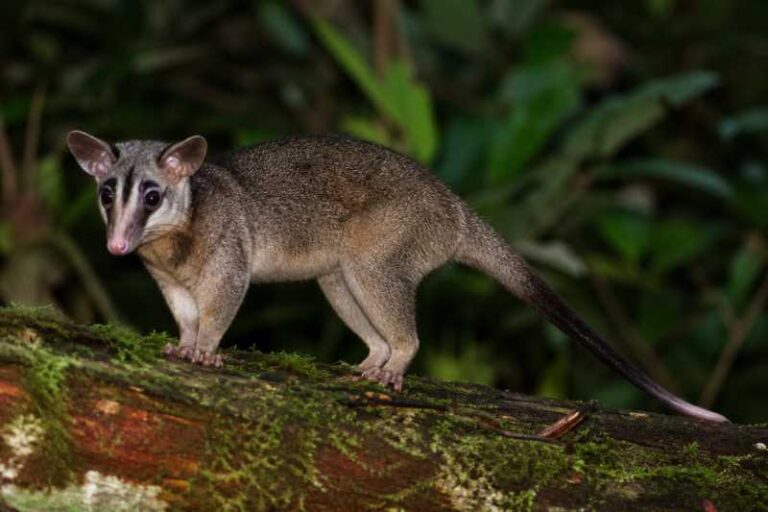
The White-bellied Grass Mouse is a small rodent characterized by its distinctive appearance. Adults typically weigh between 20 to 40 grams and measure about 8 to 12 centimeters in length, excluding the tail. As its name suggests, this species is notable for its white underbelly, which contrasts with a darker, often brown or gray dorsal fur. The fur is dense and soft, providing the necessary insulation for survival in cooler climates where it is commonly found.
The tail of the White-bellied Grass Mouse is proportionately long, often matching or exceeding the length of its body. This feature assists in balance and agility, crucial for navigating the rocky and uneven terrains of its habitat. Its ears are relatively small and rounded, while its eyes are large and well-adapted for nocturnal activity.
Range and Habitat
The White-bellied Grass Mouse is primarily distributed across the high-altitude regions of the Andes Mountains, extending through countries such as Argentina, Bolivia, and Peru. This species thrives in environments that range from grasslands to scrublands, typically at elevations between 2,000 to 4,000 meters above sea level.
These mice are well-adapted to cold climates and are often found in areas with rocky terrain, which provides ample cover from predators. Their habitats are characterized by sparse vegetation, which they use for both food and shelter. The presence of such natural cover is crucial for their survival, offering protection from both predators and harsh weather conditions.
Behavior and Diet
The White-bellied Grass Mouse is primarily nocturnal, engaging in most of its activities under the cover of darkness. This behavioral trait is a common adaptation among small mammals, as it reduces the risk of predation. These mice are solitary creatures, although they may be seen in small groups during the breeding season.
Their diet is diverse, consisting mainly of seeds, grasses, and small invertebrates. As opportunistic feeders, they adapt their diet based on the availability of resources within their habitat. This flexibility in diet helps them survive in the variable environments of the high Andes.
Breeding occurs throughout the year, with a peak during the warmer months. Females typically give birth to litters of 2 to 5 young after a gestation period of about 20 to 25 days. The young are altricial, requiring significant parental care in their early stages of life.
Identification Tips
Identifying the White-bellied Grass Mouse in the field requires attention to several key characteristics:
- Fur Coloration: Look for the distinctive white underbelly contrasted with a darker dorsal fur.
- Tail Length: The tail is often as long as or longer than the body, which is useful for balance.
- Size: Small size with a body length of 8 to 12 centimeters (excluding the tail).
- Behavior: Primarily nocturnal, making sightings more likely at dusk or dawn.
- Habitat: Found at high elevations, often in rocky, grassland environments.
Conservation Status
Currently, the White-bellied Grass Mouse is not listed as endangered, but it faces several threats that could impact its population. Habitat destruction due to agricultural expansion and climate change are primary concerns. As human activities encroach upon their natural habitats, these mice are forced to adapt to shrinking environments, which can lead to a decrease in population numbers.
Moreover, predation by introduced species and competition with other small mammals for resources also pose significant threats. Conservation efforts are essential to ensure the survival of this species, focusing on habitat preservation and monitoring population trends.
Frequently Asked Questions
What is the primary habitat of the White-bellied Grass Mouse?
The White-bellied Grass Mouse primarily inhabits high-altitude regions of the Andes, thriving in grasslands and rocky terrains at elevations of 2,000 to 4,000 meters.
How does the White-bellied Grass Mouse adapt to its environment?
This species is well-adapted to cold climates with dense fur for insulation, a long tail for balance, and a flexible diet that allows it to survive in sparse environments.
What are the main threats to the White-bellied Grass Mouse?
The main threats include habitat destruction due to agriculture, climate change, predation by introduced species, and competition with other small mammals.
How can one identify the White-bellied Grass Mouse?
Identification can be made by noting its distinctive white underbelly, long tail, small size, and nocturnal behavior, usually found in high-altitude grasslands.
Is the White-bellied Grass Mouse endangered?
Currently, it is not considered endangered, but conservation efforts are needed to address threats like habitat loss and environmental changes.
Related posts