Southern Sinaloan Pocket Mouse (Chaetodipus pernix): A Comprehensive Guide
Introduction
The Southern Sinaloan Pocket Mouse, scientifically known as Chaetodipus pernix, is a fascinating small mammal endemic to a limited range in Mexico. This species belongs to the Heteromyidae family, a group of rodents known for their distinctive cheek pouches. These pouches are used for storing food, a characteristic feature that gives them their common name. Despite being relatively obscure compared to other mammals, the Southern Sinaloan Pocket Mouse plays a crucial role in its ecosystem, contributing to seed dispersal and serving as prey for a variety of predators.
Physical Description
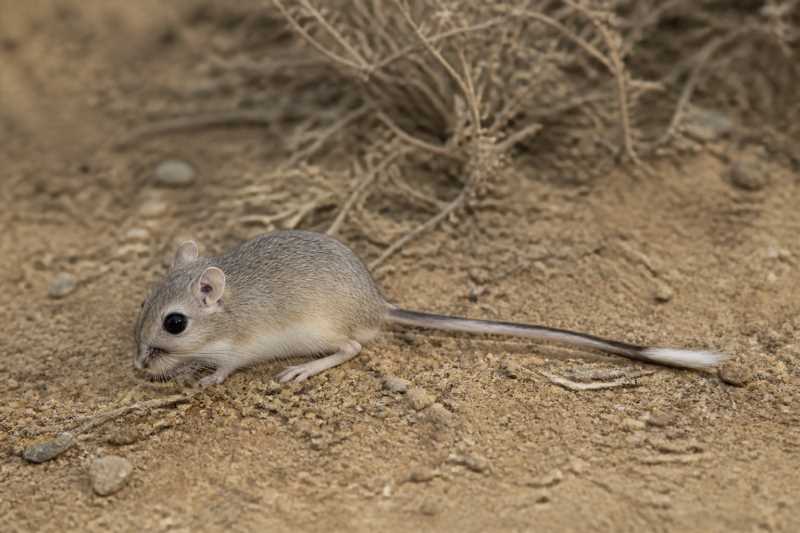
The Southern Sinaloan Pocket Mouse is a small rodent with a body length ranging from 12 to 18 centimeters, including its tail. The tail itself is typically as long as or slightly longer than the body, aiding in balance and movement. The species displays a soft, dense fur that is predominantly brownish or grayish, providing excellent camouflage against the arid landscapes of its habitat. The underbelly is usually lighter, often white or cream-colored.
A distinctive feature of this species is its large hind feet, which are adapted for jumping. This adaptation is crucial for quick escapes from predators in their open desert environments. As with other members of the Heteromyidae family, the Southern Sinaloan Pocket Mouse possesses fur-lined cheek pouches. These pouches are a vital adaptation for transporting seeds and other food items back to their burrows.
Range and Habitat
Chaetodipus pernix is native to the region of Sinaloa in northwestern Mexico. Its range is quite limited compared to other rodent species, confined largely to the coastal plains and lowland areas of Sinaloa. This restricted range highlights the importance of habitat conservation for the species’ survival.
The preferred habitat of the Southern Sinaloan Pocket Mouse is arid and semi-arid regions, typically characterized by sandy soils and sparse vegetation. These environments provide the necessary resources and cover for the species to thrive. The rodents are often found in areas with a mix of grasses, shrubs, and cacti, which offer food and protection from predators.
Behavior and Diet
Southern Sinaloan Pocket Mice are primarily nocturnal creatures, meaning they are most active during the night. This nocturnal behavior helps them avoid the extreme daytime temperatures of their desert habitats. They are solitary animals, except during the breeding season when males and females come together to mate.
Their diet consists mainly of seeds, which they collect and store in their cheek pouches. This seed-based diet not only sustains them but also contributes to the dispersal of various plant species within their habitat. In addition to seeds, they may also consume small insects and green vegetation when available, providing a varied diet that meets their nutritional needs.
Identification Tips
Identifying the Southern Sinaloan Pocket Mouse in the field can be challenging due to its small size and elusive nature. However, there are several key characteristics to look for:
- Size and Shape: Look for a small rodent with a body length of 12-18 cm, including the tail.
- Fur Coloration: Note the brown or gray fur with a lighter underbelly.
- Tail: The tail is long and often matches or exceeds the body length.
- Cheek Pouches: These are prominent features, especially when filled with seeds.
- Hind Feet: Large and adapted for jumping, these are noticeable when the animal is in motion.
Conservation Status
The conservation status of the Southern Sinaloan Pocket Mouse is currently classified as Least Concern by the International Union for Conservation of Nature (IUCN). However, the species faces several threats that could impact its population in the future.
Threats
- Habitat Destruction: Urban development and agricultural expansion in Sinaloa pose significant threats to the natural habitat of this species.
- Climate Change: Alterations in climate patterns could affect the availability of food and water resources in their arid environment.
- Predation: As a prey species, they are vulnerable to predation by snakes, birds, and mammals.
Protections
Efforts to protect the Southern Sinaloan Pocket Mouse include habitat conservation initiatives aimed at preserving the unique ecosystems of Sinaloa. Continued monitoring and research are necessary to ensure that conservation measures are effective and adaptive to changing environmental conditions.
Frequently Asked Questions
What is the primary diet of the Southern Sinaloan Pocket Mouse?
The Southern Sinaloan Pocket Mouse primarily feeds on seeds, which it collects and stores in its cheek pouches. This diet is supplemented by small insects and green vegetation when available.
Where can the Southern Sinaloan Pocket Mouse be found?
This species is endemic to the coastal plains and lowland areas of Sinaloa, Mexico, favoring arid and semi-arid environments with sandy soils and sparse vegetation.
How does the Southern Sinaloan Pocket Mouse contribute to its ecosystem?
By consuming and dispersing seeds, the Southern Sinaloan Pocket Mouse plays a vital role in plant propagation, contributing to the biodiversity of its habitat.
What are the main threats to the Southern Sinaloan Pocket Mouse?
The primary threats include habitat destruction due to urban and agricultural expansion, climate change, and predation by natural predators.
Is the Southern Sinaloan Pocket Mouse endangered?
Currently, the Southern Sinaloan Pocket Mouse is classified as Least Concern by the IUCN. However, ongoing threats necessitate conservation efforts to ensure its continued survival.
Related posts