Introduction
The Cuban Yellow Bat, scientifically known as Lasiurus insularis, is a fascinating and lesser-known member of the mammalian family. This species is a part of the Vespertilionidae family, which comprises numerous species of bats, each with unique adaptations and ecological roles. The Cuban Yellow Bat is endemic to the island of Cuba, where it plays an essential role in the ecosystem as both a pollinator and a pest controller. Understanding this species’ biology and ecology is crucial for its conservation, especially given the unique environmental pressures it faces.
Physical Description
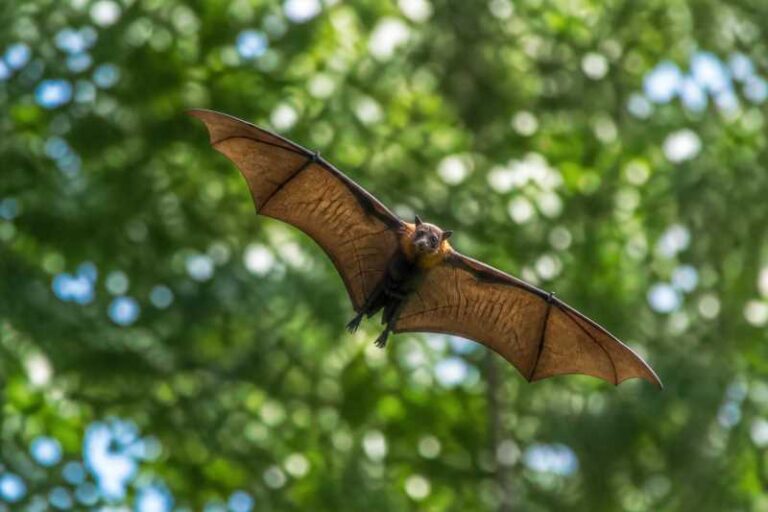
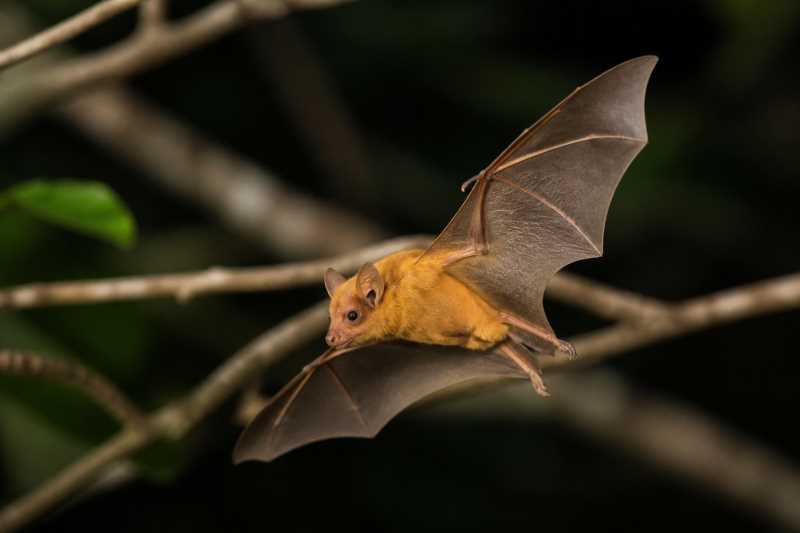
The Cuban Yellow Bat is a medium-sized bat, characterized by its striking yellowish-brown fur, which gives it its common name. The fur is dense and soft, providing excellent insulation. This species exhibits sexual dimorphism, with females generally being larger than males. The forearm length of this bat ranges from 40 to 45 millimeters, and it has a wingspan of approximately 30 centimeters.
The bat’s face is notable for its blunt, rounded snout and relatively large eyes, which are adapted for its nocturnal lifestyle. Its ears are small and rounded, reflecting its reliance on echolocation for navigation and hunting rather than acute hearing. The wings of the Cuban Yellow Bat are long and narrow, designed for swift and agile flight.
Range and Habitat
The Cuban Yellow Bat is found exclusively in Cuba, making it an endemic species with a limited geographical range. Its habitat includes a variety of ecosystems found on the island, ranging from dense forests to open fields and urban areas. This adaptability indicates the bat’s versatile ecological role and its ability to exploit various food resources.
Forested areas provide ideal roosting sites, where the bats can hang from branches or reside in tree hollows. They are also found in agricultural landscapes and gardens, where they forage for insects. The presence of water bodies, such as streams and ponds, is crucial for their survival, as these environments support a high density of insects, which are the primary food source for the bats.
Behavior and Diet
The Cuban Yellow Bat is a nocturnal creature, emerging at dusk to begin its night-time activities. As an insectivorous bat, it plays a significant role in controlling insect populations, thus benefiting agriculture and human health by reducing the number of pests and disease vectors.
Its diet primarily consists of moths, beetles, and other flying insects, which it captures in flight using echolocation. This sophisticated biological sonar system allows the bat to emit high-frequency sound waves and interpret the returning echoes to locate prey with remarkable accuracy.
During the day, the bats roost in small groups, although solitary roosting is also observed. The choice of roosting site is influenced by factors such as safety from predators and climatic conditions. The species is known for its seasonal migrations within the island, moving to warmer areas during colder months.
Identification Tips (Field Recognition Cues)
Identifying the Cuban Yellow Bat in the field requires attention to several key features:
- Coloration: Look for the distinctive yellowish-brown fur, which sets it apart from other local bat species.
- Size: Consider the bat’s medium size, with a forearm length of 40 to 45 millimeters.
- Flight Pattern: Observe its flight; the Cuban Yellow Bat exhibits swift, agile maneuvers while hunting.
- Habitat: Note the environment; sightings are more likely in forest edges, gardens, and near water sources.
Conservation Status (with Threats and Protections)
The Cuban Yellow Bat is currently classified as Near Threatened on the IUCN Red List. The primary threats to its population include habitat destruction, primarily due to deforestation, agricultural expansion, and urbanization. These activities lead to a loss of roosting and foraging sites, critically impacting the bat’s ability to survive.
Additionally, the use of pesticides in agriculture poses a significant threat, as it reduces the availability of insects and may lead to poisoning. Climate change also poses a long-term threat by altering the availability of food resources and suitable habitats.
Efforts to protect the Cuban Yellow Bat include habitat preservation and the establishment of protected areas that safeguard critical roosting and foraging sites. Promoting sustainable agricultural practices that minimize pesticide use can also help mitigate some threats. Public education on the ecological importance of bats can foster greater community support for conservation initiatives.
Frequently Asked Questions
1. What is the Cuban Yellow Bat’s role in the ecosystem?
The Cuban Yellow Bat plays a crucial role in the ecosystem as both a pollinator and a pest controller. By consuming large quantities of insects, it helps maintain a balance in the ecosystem, benefiting agriculture and reducing the spread of insect-borne diseases.
2. How can I help in the conservation of the Cuban Yellow Bat?
Individuals can aid in the conservation of the Cuban Yellow Bat by supporting local conservation organizations, advocating for the protection of natural habitats, and promoting awareness about the ecological importance of bats. Reducing pesticide use and planting native flora can also provide habitats and food resources.
3. Why is the Cuban Yellow Bat considered Near Threatened?
The Cuban Yellow Bat is considered Near Threatened due to habitat loss from deforestation, agricultural expansion, and urbanization. Additionally, pesticide use and climate change pose significant threats to its population, necessitating targeted conservation efforts.
4. Where can I observe the Cuban Yellow Bat in its natural habitat?
The best places to observe the Cuban Yellow Bat are forest edges, gardens, and areas near water bodies in Cuba. Observers should look for them at dusk when they emerge to hunt for insects.
5. What adaptations help the Cuban Yellow Bat in hunting?
The Cuban Yellow Bat uses echolocation to hunt, emitting high-frequency sounds that bounce off insects and return as echoes. This adaptation allows it to locate and capture prey accurately even in complete darkness.
Related posts