Introduction
The Fecund Vesper Mouse, scientifically known as Calomys fecundus, is a fascinating mammal species belonging to the family Cricetidae. This small rodent is recognized for its adaptability and reproductive success, which is reflected in its name, with "fecundus" meaning "fruitful" or "fertile" in Latin. Native to South America, the Fecund Vesper Mouse is an integral part of its ecosystem, contributing significantly to the local biodiversity.
Understanding the ecology and biology of the Fecund Vesper Mouse is crucial, not only for its conservation but also for the insights it provides into the dynamics of small mammal populations. This article delves into the various aspects of Calomys fecundus, including its physical characteristics, habitat preferences, behavior, and conservation status.
Physical Description
The Fecund Vesper Mouse is a small and agile rodent, typically measuring between 10-12 centimeters in body length, excluding the tail, which adds another 8-10 centimeters. The species displays sexual dimorphism, with males generally being slightly larger than females. The average weight of this species ranges from 20 to 30 grams.
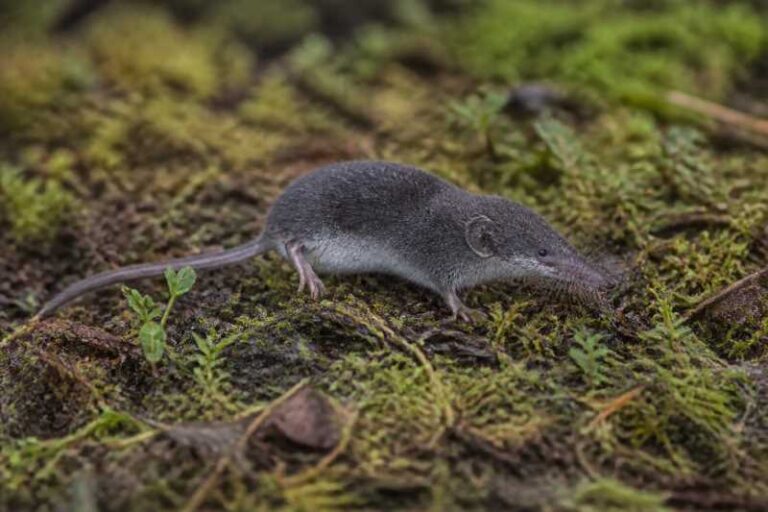
In terms of appearance, the Fecund Vesper Mouse has a soft, dense fur that is predominantly grayish-brown on the dorsal side, while the ventral side tends to be lighter, often a creamy white. The tail is sparsely furred and matches the color of the dorsal fur, aiding in camouflage within its natural habitat.
The ears of the Fecund Vesper Mouse are moderately large and rounded, equipped with acute hearing capabilities that assist in predator detection. Its eyes are large and protruding, providing excellent night vision, which is essential for its nocturnal lifestyle. The whiskers are long and sensitive, enhancing its tactile sense and navigation in the dark.
Range and Habitat
The Fecund Vesper Mouse is primarily found in the southern regions of South America, with its range extending across parts of Argentina, Paraguay, and southern Brazil. It prefers grasslands, savannas, and open scrublands, although it can also be found in agricultural areas, demonstrating its adaptability to human-modified environments.
This species thrives in areas with abundant ground cover, such as tall grasses and low shrubs, which provide protection from predators and harsh weather. The Fecund Vesper Mouse is also known to inhabit areas near water sources, such as streams and wetlands, although it is not dependent on these habitats.
The ability of Calomys fecundus to adapt to various environmental conditions is a key factor in its wide distribution and population resilience.
Behavior and Diet
The Fecund Vesper Mouse is predominantly nocturnal, with most of its activity occurring during the night. It is a solitary creature, except during the breeding season, when males and females come together for mating. The species is known for its high reproductive rate, with females capable of producing multiple litters per year, each containing up to six offspring.
In terms of diet, the Fecund Vesper Mouse is an omnivore. Its diet consists mainly of seeds, fruits, and insects, although it will occasionally consume small invertebrates and plant material. This varied diet allows it to exploit different food resources, contributing to its survival in diverse habitats.
The species uses a combination of vocalizations and scent markings for communication, particularly during the breeding season. These communication methods play a crucial role in territory establishment and mate attraction.
Identification Tips
Identifying the Fecund Vesper Mouse in the field can be challenging due to its small size and nocturnal habits. However, there are several key recognition cues that can assist in its identification:
- Size and Shape: Look for a small rodent with a long tail, roughly the same length as its body.
- Fur Color: Note the grayish-brown fur on the dorsal side and lighter underbelly. The tail color matches the dorsal fur.
- Ears and Eyes: Observe the large, rounded ears and protruding eyes, which are distinctive features of this species.
- Behavior: The mouse is typically active at night and may be seen foraging for food or moving quickly through ground cover.
Conservation Status
The Fecund Vesper Mouse is currently classified as a species of "Least Concern" by the International Union for Conservation of Nature (IUCN). This status is attributed to its wide distribution and large, stable population.
However, like many wildlife species, the Fecund Vesper Mouse faces several threats that could impact its future conservation status. Habitat destruction due to agricultural expansion and urban development poses significant risks. Additionally, the use of pesticides in agricultural areas can lead to poisoning and reduced food availability.
Conservation efforts for Calomys fecundus focus on habitat preservation and sustainable land-use practices. Protected areas and wildlife corridors are crucial for maintaining healthy populations and genetic diversity.
Frequently Asked Questions
What is the habitat of the Fecund Vesper Mouse?
The Fecund Vesper Mouse inhabits grasslands, savannas, and scrublands in South America, particularly in Argentina, Paraguay, and southern Brazil. It can also be found in agricultural areas that provide suitable ground cover.
How does the Fecund Vesper Mouse communicate?
This species uses vocalizations and scent markings to communicate. These methods are vital for establishing territories and attracting mates during the breeding season.
What are the main threats to the Fecund Vesper Mouse?
The primary threats include habitat destruction due to agricultural and urban expansion, as well as pesticide use in farming areas, which can lead to poisoning and reduced food resources.
What does the Fecund Vesper Mouse eat?
The diet of the Fecund Vesper Mouse is omnivorous, consisting mainly of seeds, fruits, insects, and occasionally small invertebrates and plant material.
Is the Fecund Vesper Mouse endangered?
Currently, the Fecund Vesper Mouse is not endangered and is classified as "Least Concern" by the IUCN. However, ongoing habitat protection is essential to prevent future population declines.
Related posts