Introduction
Ognev’s Long-eared Bat, scientifically known as Plecotus ognevi, is a fascinating species of bat renowned for its distinctively long ears and remarkable adaptability to diverse habitats. This species, named in honor of the Russian zoologist Sergei Ognev, is an integral part of the bat family Vespertilionidae. Despite its relatively obscure status compared to other bat species, Ognev’s Long-eared Bat plays a significant role in its ecosystem, primarily through its insectivorous diet. This article delves deep into the characteristics, habitat, and conservation status of this unique mammal, providing insights into its ecological importance.
Physical Description
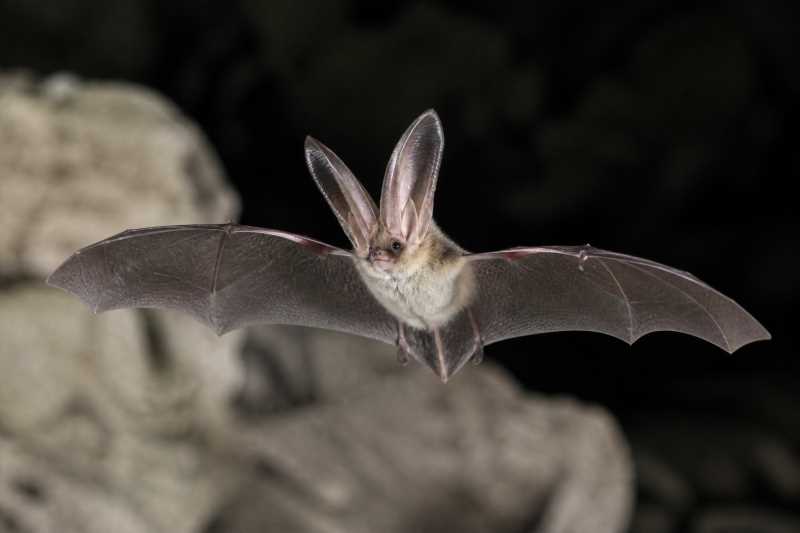
Ognev’s Long-eared Bat is aptly named for its exceptionally long ears, which can be as long as the bat’s body. These ears are not only a defining feature but also serve a crucial function in echolocation, enabling the bat to detect prey and navigate through its environment. The bat’s body is relatively small, with a wingspan ranging from 25 to 30 centimeters, allowing it to maneuver adeptly through dense vegetation.
The fur of Ognev’s Long-eared Bat is typically a grayish-brown on the dorsal side, providing effective camouflage against tree bark and rocky surfaces. The ventral side is lighter, often appearing pale gray or off-white. This coloration aids in its nocturnal lifestyle by minimizing visibility to predators during roosting periods.
Range and Habitat
Ognev’s Long-eared Bat is primarily found in the temperate forests of Eastern Europe and parts of Asia, including Russia, Mongolia, and China. These bats prefer deciduous and mixed woodlands, where they can find ample roosting sites, such as tree cavities, under bark, and within old buildings.
The species is also known to inhabit forest edges and clearings, where it can access a variety of insect prey. Seasonal migrations are not typical for Ognev’s Long-eared Bat, although slight movements may occur in response to food availability and climatic conditions.
Behavior and Diet
Ognev’s Long-eared Bat is a nocturnal insectivore, relying on echolocation to hunt for insects in the dark. Its diet primarily consists of moths, beetles, and other flying insects, which it captures in flight. The bat’s long ears are highly sensitive, allowing it to detect the faintest sounds of prey movement.
This species is known for its agile flight, capable of hovering and making sharp turns to catch prey mid-air. Socially, Ognev’s Long-eared Bats are relatively solitary, although they may roost in small groups, especially during the breeding season.
Identification Tips (Field Recognition Cues)
Identifying Ognev’s Long-eared Bat in the field can be challenging due to its nocturnal habits and elusive nature. However, certain cues can aid in recognition:
- Ear Length: The most distinctive feature is its long ears, which are often folded back when at rest.
- Flight Pattern: They exhibit a fluttery, moth-like flight, often close to vegetation.
- Roosting Sites: Look for them in tree cavities or under loose bark during the day.
- Size and Color: Their small size and grayish-brown coloration can help distinguish them from other bats.
Conservation Status (With Threats and Protections)
Currently, Ognev’s Long-eared Bat is not listed as endangered, but it faces several threats that could impact its populations in the future. Habitat destruction, particularly deforestation and urban development, poses a significant risk by reducing available roosting and foraging areas. Additionally, pesticide use in agriculture can decrease insect prey availability and lead to toxic exposure.
Conservation efforts focus on habitat preservation and the maintenance of natural forested areas. Legal protections in some regions aim to safeguard crucial habitats and restrict harmful agricultural practices. Continued research and monitoring are necessary to ensure the long-term survival of this species.
Frequently Asked Questions
1. What time of year are Ognev’s Long-eared Bats most active? Ognev’s Long-eared Bats are most active during the warmer months, from late spring to early fall, when insect prey is abundant. During winter, they may enter a state of torpor to conserve energy.
2. How do Ognev’s Long-eared Bats contribute to their ecosystem? These bats play a vital role in controlling insect populations, thereby benefiting agriculture by reducing crop pests. Their presence indicates a healthy ecosystem with balanced biodiversity.
3. What adaptations help Ognev’s Long-eared Bats in echolocation? The long ears of Ognev’s Long-eared Bat are highly adapted for echolocation, allowing them to detect prey and navigate in complete darkness. Their ears are sensitive to ultrasonic frequencies, crucial for hunting.
4. Are Ognev’s Long-eared Bats found in urban areas? While primarily found in forested regions, Ognev’s Long-eared Bats can sometimes be seen in urban areas, particularly around old buildings that provide suitable roosting sites.
Related posts