Northern Delicate Mouse (Pseudomys delicatulus): A Comprehensive Guide
Introduction
The Northern Delicate Mouse, scientifically known as Pseudomys delicatulus, is a small mammal species native to Australia. This fascinating creature is part of the Muridae family, which encompasses various species of mice. Due to its diminutive size and elusive nature, it often goes unnoticed in its natural habitat, yet it plays a crucial role in the ecosystem. This article aims to provide an in-depth look at the Northern Delicate Mouse, covering its physical description, range and habitat, behavior and diet, identification tips, and conservation status.
Physical Description
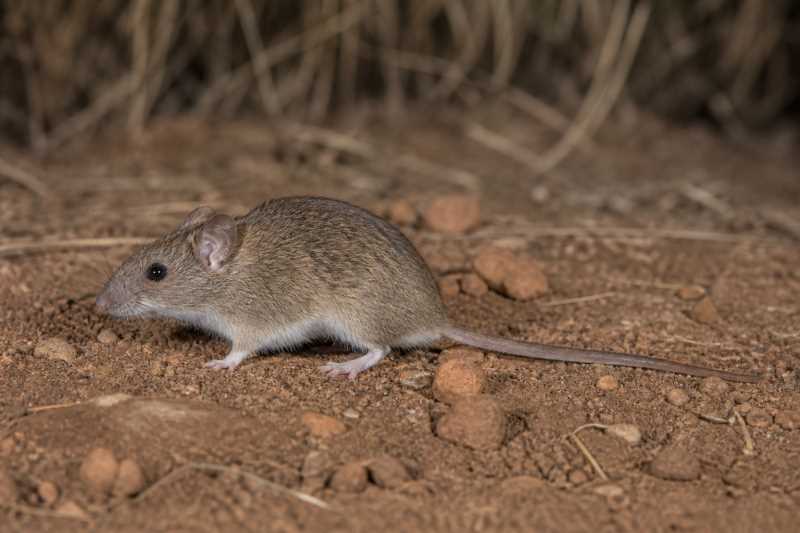
The Northern Delicate Mouse is aptly named for its petite and delicate appearance. Adult mice typically weigh between 6 to 15 grams, with a body length of 50 to 75 millimeters, and a tail length roughly equal to or slightly longer than their body. Their soft fur is generally a light brown or gray color on the dorsal side, with a paler, often creamy-white underbelly.
Their large, rounded ears and prominent, dark eyes are characteristic features that aid in their acute sense of hearing and vision, essential for nocturnal activity. The tail is slender and lightly furred, aiding in balance and agility when navigating their environment.
Range and Habitat
The Northern Delicate Mouse is primarily found across northern Australia, including the Northern Territory, Queensland, and parts of Western Australia. Its range extends to various habitats, including tropical woodlands, savannas, and grasslands. The species is highly adaptable, thriving in both undisturbed areas and regions altered by human activity, provided there is sufficient ground cover and food supply.
This mouse prefers habitats with dense vegetation that provides ample cover from predators and a rich abundance of seeds and insects, which form the bulk of its diet.
Behavior and Diet
The Northern Delicate Mouse is predominantly nocturnal, venturing out from its burrow at night to forage for food. Its diet mainly consists of seeds, grains, fruits, and small insects, making it an omnivore. This diverse diet allows it to adapt to various environmental conditions and food availabilities.
Socially, the Northern Delicate Mouse exhibits solitary behavior, although they may occasionally be found in small family groups. They communicate through vocalizations and chemical signals, which are crucial for territory marking and mating.
Breeding can occur year-round, with a peak during the wet season when food is abundant. Females typically give birth to litters of up to four young after a gestation period of around 28 days.
Identification Tips
Identifying the Northern Delicate Mouse in the wild can be challenging due to its small size and elusive nature. Here are some field recognition cues:
- Size and Shape: Look for a small, slender mouse with a body length of 50 to 75 millimeters and a tail of similar length.
- Coloration: Notice the light brown or gray dorsal fur contrasted with a pale underbelly.
- Ears and Eyes: Large, rounded ears and prominent dark eyes are distinctive features.
- Habitat: Found in tropical woodlands and grasslands with dense ground cover.
- Activity: Primarily nocturnal, so sightings are more likely during the night.
Conservation Status
The Northern Delicate Mouse is currently classified as Least Concern by the International Union for Conservation of Nature (IUCN). However, its populations are subject to several threats, including habitat destruction due to land clearing for agriculture and urban development, predation by introduced species such as cats and foxes, and changes in fire regimes that alter its habitat.
Conservation efforts focus on habitat preservation and management, including controlled burns to maintain suitable environments and efforts to control invasive species populations. Continued monitoring is essential to ensure this species remains out of danger.
Frequently Asked Questions
What is the lifespan of the Northern Delicate Mouse?
The Northern Delicate Mouse typically lives for about 1 to 2 years in the wild. Their lifespan is influenced by environmental conditions, predation, and food availability.
How does the Northern Delicate Mouse adapt to its environment?
The Northern Delicate Mouse adapts through its omnivorous diet, nocturnal behavior, and ability to thrive in various habitats. Its keen senses help it avoid predators and locate food.
Are Northern Delicate Mice endangered?
No, the Northern Delicate Mouse is not endangered. It is listed as Least Concern by the IUCN, although it faces threats from habitat destruction and invasive species.
What do Northern Delicate Mice eat?
They primarily eat seeds, grains, fruits, and insects. Their diet’s flexibility helps them survive in different environmental conditions.
How can I help in the conservation of the Northern Delicate Mouse?
Supporting habitat preservation initiatives and advocating for responsible land management practices are effective ways to aid in the conservation of the Northern Delicate Mouse.
Related posts