Kelaart’s Pipistrelle (Alionoctula ceylonica): A Comprehensive Guide
Introduction
Kelaart’s Pipistrelle (Alionoctula ceylonica), a fascinating bat species, is a small, often overlooked member of the mammalian world. It belongs to the family Vespertilionidae, which encompasses a diverse group of bats known for their adaptability and nocturnal lifestyle. This species, named after the Sri Lankan zoologist Edward Frederick Kelaart, is primarily found in parts of South Asia. Despite their small size and unassuming appearance, Kelaart’s Pipistrelles play a crucial role in their ecosystems as insectivores. This article delves into the various aspects of this intriguing mammal, offering insights into its physical characteristics, habitat, behavior, and conservation status.
Physical Description
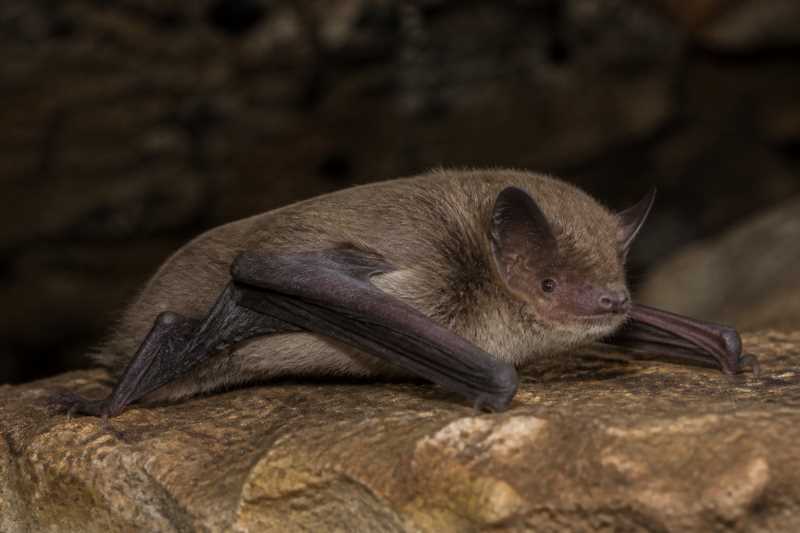
Kelaart’s Pipistrelle is a small bat species characterized by its compact body and distinct coloration. The average body length of an adult ranges from 4 to 5 centimeters, with a wingspan of approximately 24 to 27 centimeters. The weight of these bats typically falls between 5 to 8 grams.
The fur of Kelaart’s Pipistrelle is dense and soft, usually displaying shades of brown or grey, which provides excellent camouflage against tree bark or rocky surfaces. The underparts are slightly paler, aiding in thermoregulation. The ears are relatively short and rounded, with a tragus that is prominent and slightly curved.
One distinctive feature of this species is its elongated tail, which extends slightly beyond the tail membrane, a characteristic trait of many pipistrelle bats. The wings are narrow and adapted for swift, agile flight, enabling them to maneuver easily through dense vegetation while hunting.
Range and Habitat
Kelaart’s Pipistrelle is native to South Asia, with its range primarily encompassing India, Sri Lanka, and parts of Nepal and Bangladesh. Within this region, the species can be found in a variety of habitats, including tropical and subtropical forests, grasslands, and even urban areas.
These bats are highly adaptable and can thrive in both natural and modified environments. Their preference for roosting sites includes tree hollows, caves, and the crevices of buildings, where they can find shelter from predators and harsh weather conditions. The availability of suitable roosting sites and abundant insect prey are critical factors influencing their distribution and abundance.
Behavior and Diet
Kelaart’s Pipistrelle is primarily nocturnal, emerging at dusk to embark on nightly foraging trips. These bats are insectivorous, feeding on a variety of insects such as moths, beetles, and flies. Their echolocation capabilities are finely tuned for detecting and capturing prey on the wing.
Socially, Kelaart’s Pipistrelles are known to form small colonies, often with individuals aggregating in roosts for warmth and protection. Communication within these colonies is facilitated through a range of vocalizations and ultrasonic calls, which also play a crucial role in navigation and prey detection.
During the breeding season, which typically coincides with the onset of the rainy season, females give birth to one or two offspring. The young are altricial, meaning they are born blind and helpless, requiring significant maternal care until they are capable of independent flight.
Identification Tips (Field Recognition Cues)
Identifying Kelaart’s Pipistrelle in the field requires careful observation of several key features:
- Size and Shape: Look for a small bat with a body length of 4-5 cm and a wingspan of 24-27 cm.
- Fur Color: Note the dense, soft fur with brown or grey coloration and paler underparts.
- Ear Shape: Observe the rounded ears with a prominent tragus.
- Tail: The tail is slightly longer than the tail membrane, a distinctive feature.
- Flight Pattern: Watch for their agile, rapid flight as they navigate through vegetation.
Conservation Status (with Threats and Protections)
The conservation status of Kelaart’s Pipistrelle is currently listed as "Least Concern" by the International Union for Conservation of Nature (IUCN). However, like many bat species, they face several threats that could impact their populations in the future.
Threats
- Habitat Loss: Deforestation and urbanization lead to the destruction of natural roosting sites and foraging grounds.
- Pesticides: The use of agricultural chemicals reduces insect prey availability and can directly harm bats.
- Human Disturbance: Activities such as cave exploration and building renovations can disrupt roosts.
Protections
Conservation efforts for Kelaart’s Pipistrelle include:
- Habitat Protection: Preserving forested areas and creating protected zones to safeguard critical habitats.
- Public Awareness: Educating local communities about the ecological importance of bats and promoting bat-friendly practices.
- Research and Monitoring: Conducting studies to better understand population dynamics and threats to develop effective conservation strategies.
Frequently Asked Questions
1. What is the primary diet of Kelaart’s Pipistrelle?
Kelaart’s Pipistrelle primarily feeds on insects such as moths, beetles, and flies, using echolocation to hunt and capture prey during nocturnal foraging.
2. Where can Kelaart’s Pipistrelle be found?
This species is native to South Asia, with a range that includes India, Sri Lanka, Nepal, and Bangladesh, inhabiting forests, grasslands, and urban areas.
3. How does Kelaart’s Pipistrelle communicate?
These bats utilize vocalizations and ultrasonic calls for communication within colonies and echolocation for navigation and prey detection.
4. What are the main threats to Kelaart’s Pipistrelle?
The primary threats include habitat loss, pesticide use, and human disturbance, which can lead to declines in suitable roosting sites and prey availability.
5. How can I identify Kelaart’s Pipistrelle in the field?
Look for a small bat with brown or grey fur, rounded ears, a slightly elongated tail, and observe its agile flight pattern.
Related posts