Introduction
The Bioko Forest Shrew, scientifically known as Sylvisorex isabellae, is a lesser-known species of mammal that inhabits the dense forests of Bioko Island. This small insectivorous mammal is part of the Soricidae family, which includes shrews known for their high metabolism and small size. As an integral part of the island’s ecosystem, the Bioko Forest Shrew plays a crucial role in insect population control, contributing to the ecological balance of its habitat.
Bioko Island, located off the west coast of Africa, is a biologically rich area famous for its unique assemblage of flora and fauna. The island’s diverse habitats range from lowland tropical rainforests to montane forests, providing a haven for many species, including the Bioko Forest Shrew. Despite its ecological importance, this shrew remains one of the lesser-studied mammals, with much of its life history and biology still shrouded in mystery.
Physical Description
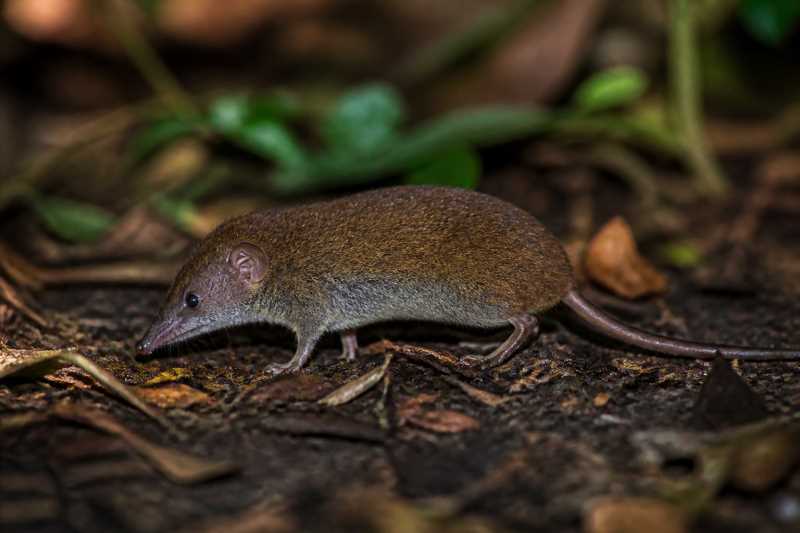
The Bioko Forest Shrew is a small mammal characterized by its tiny size and distinctive features. Adult shrews typically measure around 8 to 12 centimeters in length, including their tails, which account for nearly half of their total length. They weigh approximately 8 to 15 grams, making them one of the smaller shrew species.
Their fur is dense and velvety, providing excellent insulation against the humid forest environment. The coloration of their fur is generally dark brown to black, which helps them blend seamlessly into the forest floor, aiding in camouflage from predators. The underbelly is often a lighter shade, contrasting with the darker upper body.
The Bioko Forest Shrew has a long, pointed snout, which is a common feature among shrews, aiding in their search for insects in the leaf litter. Their eyes are small, and their ears are almost entirely hidden by their fur, adaptations that suit their burrowing and nocturnal lifestyle.
Range and Habitat
Endemic to Bioko Island, the Bioko Forest Shrew is primarily found in dense forested regions. Bioko Island’s unique geographical location and climate provide a range of habitats, from lowland rainforests to montane forests and even cloud forests at higher elevations. These diverse ecosystems support a wide variety of plant and animal life, creating an ideal environment for the Bioko Forest Shrew.
Bioko Island’s forests are characterized by high humidity, dense undergrowth, and a rich canopy, offering ample cover and food resources for the shrews. These habitats are crucial for their survival, providing not only food in the form of insects but also shelter from predators.
Behavior and Diet
The Bioko Forest Shrew is primarily nocturnal, spending much of its time foraging for food under the cover of darkness. This nocturnal behavior helps them avoid many diurnal predators and reduces competition for food. They are solitary creatures, with each shrew maintaining its own territory.
Their diet mainly consists of insects, worms, and other small invertebrates, which they locate using their acute sense of smell. The shrew’s high metabolic rate necessitates almost constant feeding, making them active hunters. Their strong, pointed snouts and sharp teeth are well adapted for capturing and consuming their prey.
Identification Tips (Field Recognition Cues)
Identifying the Bioko Forest Shrew in the field requires attention to a few key characteristics:
- Size and Shape: Look for a small, mouse-sized mammal with a long, slender snout.
- Fur Color: Dark brown to black fur with a lighter underbelly.
- Behavior: Active at night; they will often be seen scurrying through leaf litter.
- Habitat: Found in dense forested areas of Bioko Island, particularly near the forest floor.
Conservation Status (with Threats and Protections)
Currently, the Bioko Forest Shrew is classified as "Data Deficient" by the International Union for Conservation of Nature (IUCN). This classification highlights the lack of comprehensive data on the species’ population trends, distribution, and threats.
However, like many species on Bioko Island, the Bioko Forest Shrew faces several potential threats. Habitat destruction due to logging, agricultural expansion, and human settlement poses a significant risk to their survival. Additionally, climate change could alter their habitat, affecting food availability and habitat suitability.
Protections for the Bioko Forest Shrew are primarily indirect, as Bioko Island hosts protected areas aimed at conserving its rich biodiversity. Efforts to preserve these forests are crucial for the survival of the Bioko Forest Shrew and other endemic species.
Frequently Asked Questions
1. What is the Bioko Forest Shrew’s role in the ecosystem?
The Bioko Forest Shrew plays a vital role in controlling insect populations, thereby maintaining ecological balance. By preying on insects and other small invertebrates, they help regulate these populations, contributing to the health of their forest ecosystems.
2. How can one differentiate the Bioko Forest Shrew from other shrews?
The Bioko Forest Shrew can be distinguished by its size, dark fur, and habitat. It is smaller than many other shrew species, with a distinct dark to black coloration and is primarily found in the dense forests of Bioko Island.
3. What are the main threats to the Bioko Forest Shrew?
The main threats include habitat destruction due to logging and agricultural expansion, as well as the potential impacts of climate change. Conservation efforts focused on preserving forest habitats are essential for their protection.
4. Where can researchers learn more about the Bioko Forest Shrew?
Researchers can find more information in academic journals on African mammals, conservation reports from Bioko Island, and studies conducted by universities and conservation organizations focused on West African biodiversity.
Related posts