Introduction
Whyte’s Mole-rat, scientifically named Fukomys whytei, is a fascinating subterranean mammal species belonging to the family Bathyergidae. Known for its remarkable adaptations to a life spent mostly underground, this species is an intriguing subject of study for researchers and naturalists alike. Found primarily in parts of Southern Africa, Whyte’s Mole-rat contributes significantly to its ecosystem by influencing soil properties and dynamics.
Mole-rats, in general, are known for their eusocial behavior and complex burrowing systems. Whyte’s Mole-rat is no exception, exhibiting unique social structures and behaviors that set it apart from other burrowing mammals. This article delves into the various aspects of Whyte’s Mole-rat, including its physical characteristics, habitat, behavior, and conservation status.
Physical Description
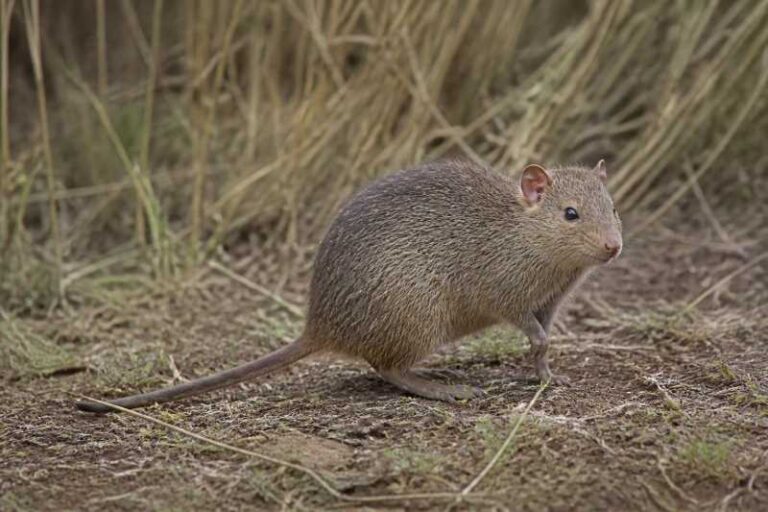
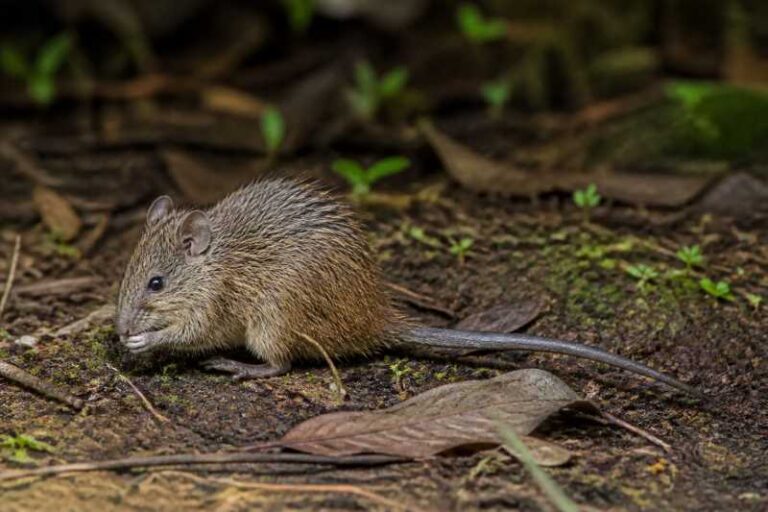
Whyte’s Mole-rat is a medium-sized rodent, typically measuring between 10 to 15 centimeters in length. It has a robust, cylindrical body that is well-adapted to its underground lifestyle. The species is characterized by its short, velvety fur, which is usually a shade of brown or gray, providing effective camouflage within its earthen burrows. Its small eyes and ears are adaptations to its subterranean habitat, where vision and auditory senses are less critical than tactile and olfactory cues.
The most distinctive feature of Whyte’s Mole-rat is its powerful incisors, which protrude forward and are used extensively for digging. These incisors are capable of chipping away at hard soil and roots, allowing the mole-rat to create elaborate tunnel systems. The limbs are short but muscular, aiding in efficient movement through narrow burrow spaces. Additionally, Whyte’s Mole-rat has a lack of external ears, reducing resistance when moving through soil.
Range and Habitat
Whyte’s Mole-rat is primarily found in Southern Africa, with a range that includes parts of Zambia, Malawi, and Mozambique. It inhabits regions with loose, sandy soil that is conducive to burrowing. These areas are often characterized by grasslands or open savannahs, where the mole-rat can find ample food resources.
The habitat preference of Whyte’s Mole-rat is influenced by soil composition, moisture levels, and vegetation cover. The species tends to avoid areas with rocky or compacted soil, which can impede its burrowing capabilities. Instead, it thrives in regions where the soil is soft enough to allow easy excavation of tunnels yet stable enough to prevent frequent collapses.
Behavior and Diet
Whyte’s Mole-rat exhibits fascinating social behavior, often forming colonies that are organized around a single breeding pair and several non-breeding individuals. This social structure is akin to that of eusocial insects like ants and bees, making Whyte’s Mole-rat one of the few mammalian examples of eusociality.
The diet of Whyte’s Mole-rat primarily consists of underground plant parts, such as tubers, bulbs, and roots. These food sources provide the necessary nutrients and moisture required for survival in a subterranean environment. The mole-rat uses its strong incisors to harvest these plant parts, storing excess food within its burrow system for future consumption.
In terms of behavior, Whyte’s Mole-rat is known for its territoriality and aggressive defense of its burrow system against intruders. Vocalizations and chemical signals play a crucial role in communication within colonies, assisting in coordination and maintenance of social order.
Identification Tips (Field Recognition Cues)
- Size and Shape: Look for a medium-sized rodent with a cylindrical body measuring 10 to 15 centimeters in length.
- Fur: Identify the short, velvety fur, usually brown or gray in color, which provides camouflage in its earthen habitat.
- Teeth: Note the prominent incisors that are used for digging and are characteristic of the species.
- Eyes and Ears: Observe the small eyes and lack of external ears – adaptations for living underground.
- Burrow Systems: Recognize the complex network of tunnels, typically found in sandy or loose soil regions.
Conservation Status (With Threats and Protections)
Whyte’s Mole-rat is currently classified as a species of Least Concern by the International Union for Conservation of Nature (IUCN). However, its population is subject to various environmental threats that could impact its long-term stability.
Threats:
- Habitat Destruction: Agricultural expansion and land development can lead to habitat loss, reducing the available range for the mole-rat.
- Climate Change: Changes in rainfall patterns and temperature can affect soil conditions and plant availability, impacting food resources.
- Human Activity: Increased human activities such as mining and infrastructure development can disrupt existing burrow systems.
Protections:
- Protected Areas: Some populations of Whyte’s Mole-rat are found within national parks and reserves, providing a level of protection against habitat destruction.
- Research and Monitoring: Ongoing research efforts focus on understanding the ecological role and population dynamics of the species, aiding in conservation planning.
- Community Engagement: Educating local communities about the ecological importance of mole-rats can foster coexistence and reduce human-wildlife conflict.
Frequently Asked Questions
- What adaptations allow Whyte’s Mole-rat to live underground?
Whyte’s Mole-rat has several adaptations for subterranean life, including reduced eyes and ears, strong incisors for digging, and a cylindrical body shape that facilitates movement through tunnels. Its fur provides camouflage and sensory feedback in the dark underground environment.
- How does Whyte’s Mole-rat communicate within its colony?
Communication within a Whyte’s Mole-rat colony involves vocalizations and chemical signals. These methods help maintain social structure, coordinate activities, and establish territorial boundaries.
- Why is Whyte’s Mole-rat considered eusocial?
Eusociality in Whyte’s Mole-rat is characterized by a social structure that includes a single breeding pair and non-breeding individuals working cooperatively to maintain the colony. This level of social organization is rare among mammals.
- What are the primary threats to Whyte’s Mole-rat populations?
The main threats include habitat destruction due to agricultural and urban development, climate change affecting soil and food resources, and disruptions from human activities like mining.
- In which countries can Whyte’s Mole-rat be found?
Whyte’s Mole-rat is primarily found in Zambia, Malawi, and Mozambique, where it inhabits grasslands and savannahs with suitable soil conditions for burrowing.
Related posts