Introduction
The Lazistan Snow Vole, scientifically known as Chionomys lasistanius, is a small mammal endemic to the mountainous regions of the Caucasus, specifically within the borders of Turkey. This elusive rodent is an intriguing subject for mammalogists and ecologists due to its specialized habitat preferences and adaptations to cold environments. Understanding the Lazistan Snow Vole is crucial for conservation efforts, as its habitat is increasingly threatened by human activities and climate change.
Physical Description
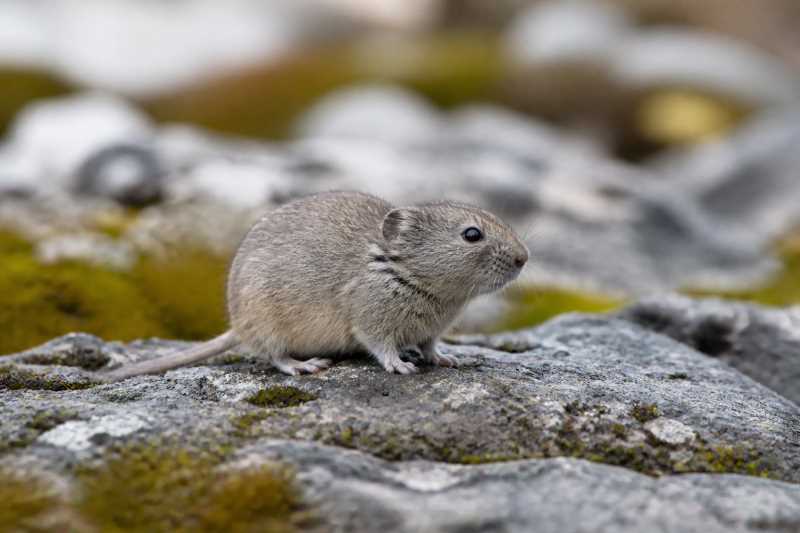
The Lazistan Snow Vole is a medium-sized vole characterized by its dense, grayish-brown fur, which provides insulation against harsh cold temperatures. The fur is notably thicker during the winter months, a common adaptation among rodents living in alpine environments. The vole’s body length ranges from 10 to 15 centimeters, with a relatively short tail that measures about 3 to 5 centimeters. This species has small, rounded ears and a blunt snout, which are typical features of voles, helping minimize heat loss.
The vole’s limbs are short yet strong, facilitating movement through snow and rocky terrains. The paws have sharp claws that aid in digging through the snow and soil, an essential behavior for foraging and creating burrows.
Range and Habitat
The Lazistan Snow Vole is primarily found in the eastern Black Sea region of Turkey, particularly in the high-altitude areas of the Kaçkar Mountains. These regions are characterized by alpine and subalpine zones with rocky outcrops and sparse vegetation, which are ideal for the species.
This vole thrives in cold environments, often inhabiting elevations ranging from 1,500 to 3,500 meters. Its habitat is typically marked by snow cover for a significant part of the year, which influences its behavior and diet. The Lazistan Snow Vole is well-adapted to life in these conditions, utilizing the snow for insulation and protection from predators.
Behavior and Diet
The Lazistan Snow Vole is primarily a solitary and nocturnal creature, although it may exhibit crepuscular activity during the twilight hours. It is known for its burrowing behavior, which not only provides shelter but also aids in food storage. During the warmer months, the vole actively gathers and stores plant materials, such as roots, seeds, and leaves, to sustain itself through the winter when food is scarce.
Its diet is predominantly herbivorous, consisting mainly of grasses, herbs, and seeds found within its alpine habitat. Occasionally, it may consume small insects or other invertebrates, supplementing its diet with essential proteins.
This species is also known for its vocalizations, which play a role in communication, particularly during the breeding season. These vocal cues help establish territory and attract mates.
Identification Tips
Identifying the Lazistan Snow Vole in the field requires careful observation of specific characteristics:
- Size and Shape: Look for a small rodent with a robust body, measuring about 10 to 15 centimeters in length.
- Fur Appearance: Note the dense, grayish-brown fur that is thicker during winter months.
- Tail Length: The short tail, approximately 3 to 5 centimeters long, is a distinguishing feature.
- Ear and Snout Shape: Rounded ears and a blunt snout are key identifiers.
- Habitat: Spotting this vole is more likely in alpine and subalpine zones with snowy conditions.
Conservation Status
The Lazistan Snow Vole is currently classified as "Near Threatened" on the IUCN Red List. The primary threats to this species include habitat loss due to agricultural expansion, deforestation, and the impacts of climate change, which alter the snow cover and vegetation in its natural habitat. Additionally, human encroachment and the development of infrastructure in mountainous regions pose significant risks.
Conservation efforts are focused on protecting the vole’s natural habitat through the establishment of protected areas and national parks. Research initiatives aimed at understanding the species’ ecology and habitat requirements are also crucial for developing effective conservation strategies.
Frequently Asked Questions
What is the Lazistan Snow Vole’s primary habitat?
The Lazistan Snow Vole inhabits alpine and subalpine regions of the Kaçkar Mountains in Turkey, where snow cover persists for much of the year.
How does the Lazistan Snow Vole adapt to cold environments?
This vole has dense, insulating fur and a compact body shape that minimizes heat loss, along with behaviors like burrowing and food storage for winter survival.
Are Lazistan Snow Voles social animals?
No, they are primarily solitary, though they may communicate with vocalizations during the breeding season.
What threats do Lazistan Snow Voles face?
The main threats include habitat loss from human activities, climate change effects on their alpine environment, and agricultural encroachment.
How can we help conserve the Lazistan Snow Vole?
Supporting conservation efforts, habitat protection, and research initiatives are crucial to preserving this species.
Related posts