Long-tailed Birch Mouse (Sicista caudata): A Comprehensive Guide
Introduction
The Long-tailed Birch Mouse (Sicista caudata) is a fascinating small mammal belonging to the family Dipodidae. Known for its distinctively long tail, this species is a lesser-known but intriguing inhabitant of Eurasian landscapes. As part of the birch mouse group, these creatures play a unique role in their ecosystem, contributing to the biodiversity and ecological balance of their habitats. This article delves into various aspects of the Long-tailed Birch Mouse, including its physical characteristics, habitat, behavior, and conservation status.
Physical Description
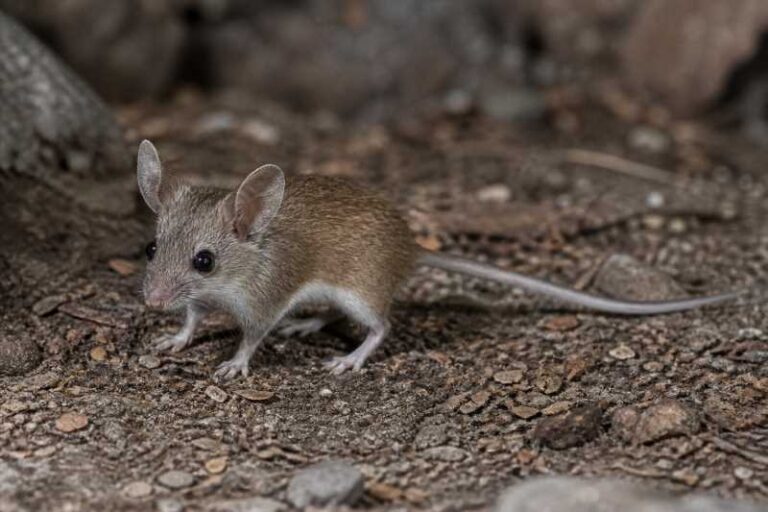
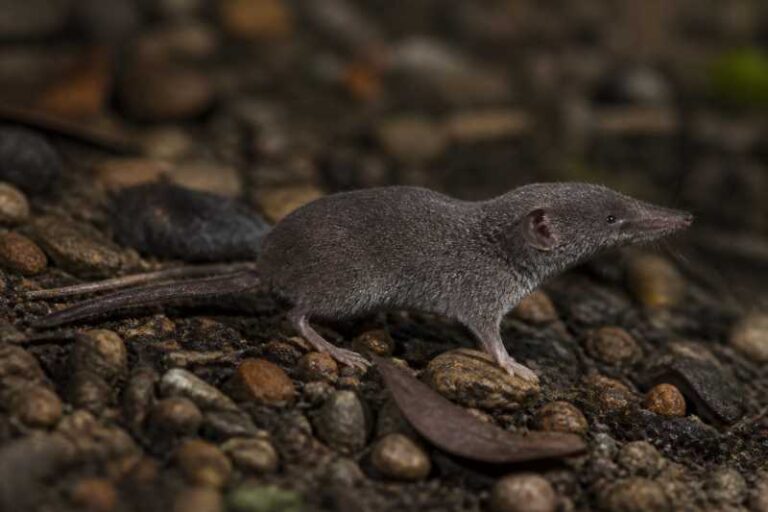
The Long-tailed Birch Mouse is a diminutive rodent, measuring approximately 5 to 7 centimeters in body length, with a tail that can extend up to 11 centimeters, often twice the length of its body. This distinguishing feature not only aids in balance but also serves as a critical identifier for the species.
The mouse’s fur is generally soft and dense, providing insulation against harsh climates. The dorsal side of its body is covered in a brownish-gray hue, mottled with darker patches that offer camouflage among the forest floor and brush. The underbelly is lighter, often a pale grey or creamy white, which helps in concealing the mouse from aerial predators when viewed from below.
One of the most remarkable features of the Long-tailed Birch Mouse is its hind legs, which are significantly longer than its forelimbs. This anatomical adaptation is crucial for their locomotion, enabling them to execute powerful jumps, a characteristic behavior among the members of the Dipodidae family.
Range and Habitat
The Long-tailed Birch Mouse is primarily found across a vast range in Eurasia, spanning from Eastern Europe to parts of Russia and Central Asia. They inhabit a variety of environments, including deciduous and mixed forests, shrublands, and grasslands. These rodents seem to prefer areas that offer dense underbrush or tall grasses, which provide ample cover and protection from predators.
Their habitats are often characterized by a rich diversity of plant life, including birch and alder trees, which contribute to their common name. The presence of these trees indicates a healthy ecosystem, which is vital for the mouse’s survival.
Seasonal changes significantly influence their habitat preferences. During the warmer months, Long-tailed Birch Mice are more likely to be found in lush, verdant areas, while in colder months, they might seek refuge in burrows or beneath leaf litter to conserve warmth.
Behavior and Diet
The Long-tailed Birch Mouse is primarily nocturnal, engaging in most of its activities during the night. This behavior helps them avoid diurnal predators and take advantage of the cooler night temperatures in their often seasonal habitats.
Their diet is omnivorous, consisting mainly of seeds, fruits, insects, and occasionally small invertebrates. This dietary flexibility allows them to adapt to varying food availability throughout the year. In the spring and summer, they focus on consuming insects and fresh plant matter, while in the autumn and winter, they rely more on seeds and dried fruits.
Socially, these mice are generally solitary except during the mating season. They communicate with each other using high-pitched vocalizations and scent markings. The breeding season typically occurs in the spring, when food is abundant, and results in a litter of 3 to 8 young after a gestation period of approximately 3 to 4 weeks.
Identification Tips (Field Recognition Cues)
Identifying the Long-tailed Birch Mouse in the wild requires keen observation and attention to detail due to its small size and elusive nature. Here are some tips to help with identification:
- Tail Length: Look for the characteristically long tail, which is roughly twice as long as the body. The tail is often a key distinguishing feature.
- Coloration: Note the brownish-gray dorsal fur with darker patches, contrasted by a lighter underbelly.
- Movement: Observe their distinctive hopping movement, facilitated by their long hind legs.
- Habitat: Focus on areas with dense underbrush or tall grasses, especially near birch or alder trees.
- Activity: Time your observations for dusk or night, when these mice are most active.
Conservation Status (with Threats and Protections)
The conservation status of the Long-tailed Birch Mouse is currently listed as "Least Concern" by the International Union for Conservation of Nature (IUCN). However, this does not imply that the species faces no threats.
Threats
- Habitat Destruction: One of the primary threats to the Long-tailed Birch Mouse is habitat destruction due to agricultural expansion, deforestation, and urban development.
- Climate Change: Alterations in climate patterns can affect their habitats, food availability, and reproductive success.
- Predation: Natural predators include birds of prey, snakes, and small carnivorous mammals.
Protections
- Protected Areas: Many of their habitats fall within protected areas and national parks, which help preserve vital ecosystems.
- Research and Monitoring: Ongoing research and monitoring efforts are crucial to understanding population trends and addressing conservation needs.
- Environmental Policies: Implementation of sustainable land-use policies can mitigate habitat destruction.
Frequently Asked Questions
- What is the typical lifespan of a Long-tailed Birch Mouse?
The Long-tailed Birch Mouse typically has a lifespan of about 1 to 3 years in the wild, although this can vary based on environmental conditions and predation pressures.
- How do Long-tailed Birch Mice survive harsh winters?
During harsh winters, Long-tailed Birch Mice may enter a state of torpor, significantly reducing their metabolic rate to conserve energy. They often take shelter in burrows or dense leaf litter to stay warm.
- Are Long-tailed Birch Mice endangered?
Currently, the Long-tailed Birch Mouse is classified as "Least Concern"; however, ongoing habitat destruction and climate change pose potential future risks.
- What adaptations help the Long-tailed Birch Mouse evade predators?
Their long tail aids in balance and agility during quick escapes, while their nocturnal behavior reduces exposure to daytime predators. Camouflaging fur also provides concealment against the forest floor.
- Can Long-tailed Birch Mice be kept as pets?
Long-tailed Birch Mice are wild animals and are not suitable as pets. They have specific habitat and dietary needs that are challenging to replicate in captivity.
Related posts