White-bellied Pangolin (Phataginus tricuspis)
Introduction
The White-bellied Pangolin, known scientifically as Phataginus tricuspis, is a unique and captivating mammal native to the forests of Central and West Africa. This species is one of eight pangolin species worldwide and is distinguished by its overlapping scales and tree-dwelling habits. Despite its fascinating features, this remarkable creature faces numerous threats that have significantly impacted its population. This article delves into the physical characteristics, habitat, behavior, and conservation needs of the White-bellied Pangolin, offering insights for wildlife enthusiasts and conservationists alike.
Physical Description
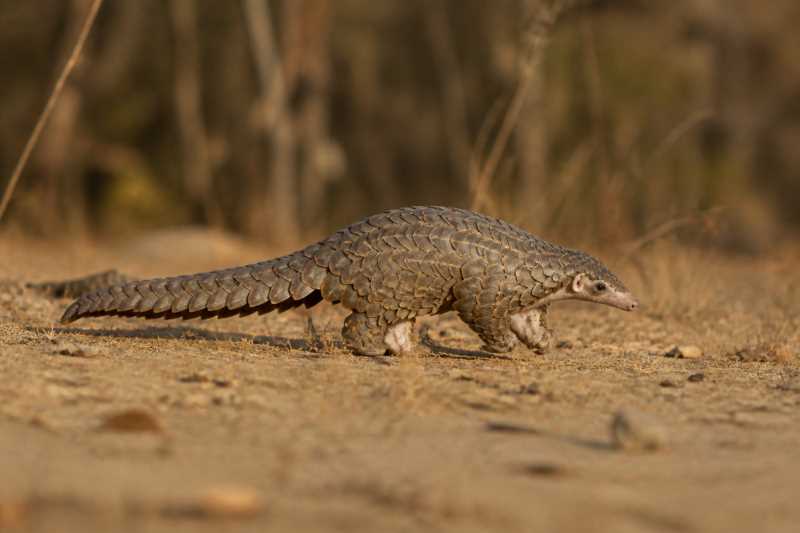
The White-bellied Pangolin is a small to medium-sized mammal with a distinctive appearance. Adult pangolins typically measure between 80 to 140 cm in length, including their long, prehensile tails which can account for half of their body length. They weigh between 2.5 to 10 kg. The most striking feature of the White-bellied Pangolin is its armor-like coat of overlapping scales, which are composed of keratin, the same material found in human fingernails and rhino horns. These scales provide protection against predators.
As their name suggests, White-bellied Pangolins have a pale, almost white underside, in contrast to their dark brown to olive-colored scales. Their limbs are short but powerful, equipped with strong, curved claws adapted for climbing and digging. Their heads are small with pointed snouts, and they have long, sticky tongues, which are highly specialized for feeding on ants and termites.
Range and Habitat
White-bellied Pangolins are primarily found in the tropical rainforests of Central and West Africa. Their range extends from Guinea and Sierra Leone in the west to Uganda and western Kenya in the east, and south to northern Angola and Zambia. They favor primary and secondary forests and are also found in forest-savanna mosaics and mangrove ecosystems.
These pangolins are arboreal, spending much of their time in trees. They are adept climbers, using their prehensile tails for balance and support as they navigate the forest canopy. This arboreal lifestyle provides them access to a rich food source and helps them avoid ground-dwelling predators.
Behavior and Diet
White-bellied Pangolins are solitary and nocturnal creatures, primarily active during the night. They are known for their secretive nature, often going unnoticed in their dense forest habitats. Their diet consists mainly of ants and termites, which they locate using their keen sense of smell. With their long, sticky tongues, they can extract insects from deep within nests and colonies.
These pangolins have a highly specialized digestive system to process their insect diet. They lack teeth and rely on small stones and keratinous spines in their stomachs to grind up their food. When threatened, White-bellied Pangolins curl into a tight ball, using their tough scales as a defensive shield against predators.
Identification Tips (Field Recognition Cues)
Identifying a White-bellied Pangolin in the wild requires keen observation due to their elusive nature. Here are some field recognition cues:
- Scales: Look for the unique armor of overlapping scales covering the body, except for the face, belly, and inner limbs.
- Coloration: Note the contrast between the dark, olive-brown scales and the white belly.
- Behavior: Observe their distinctive rolling motion when moving on the ground or their climbing abilities in trees.
- Habitat: Focus on forested areas, especially where ant and termite activity is high.
Conservation Status (With Threats and Protections)
The White-bellied Pangolin is currently listed as Vulnerable by the International Union for Conservation of Nature (IUCN). The primary threats to this species are poaching and habitat loss. Pangolins are heavily targeted for their scales, which are used in traditional medicine, and their meat, considered a delicacy in some cultures.
Deforestation and agricultural expansion have resulted in significant habitat loss, further threatening their survival. Conservation efforts are underway, focusing on habitat protection and anti-poaching initiatives. International trade of pangolins is banned under the Convention on International Trade in Endangered Species (CITES), and various NGOs are working to raise awareness and support for pangolin conservation.
Frequently Asked Questions
1. What do White-bellied Pangolins eat?
White-bellied Pangolins primarily feed on ants and termites. They use their long, sticky tongues to collect insects from nests, relying on their strong sense of smell to locate food.
2. Why are White-bellied Pangolins endangered?
These pangolins are endangered due to poaching for their scales and meat, and habitat destruction from deforestation and agricultural activities. Conservation efforts are crucial to their survival.
3. How do White-bellied Pangolins protect themselves?
When threatened, White-bellied Pangolins curl into a tight ball, using their tough, keratinous scales as a defense mechanism to deter predators.
4. Where can White-bellied Pangolins be found?
They inhabit the tropical rainforests of Central and West Africa, ranging from Guinea and Sierra Leone to Uganda and northern Angola.
5. Are there conservation efforts for White-bellied Pangolins?
Yes, various conservation programs focus on habitat preservation, anti-poaching laws, and international trade bans under CITES to protect the species.
Related posts