Thailand Horseshoe Bat (Rhinolophus thailandensis)
Introduction
The Thailand Horseshoe Bat, scientifically known as Rhinolophus thailandensis, is a captivating species of bat found predominantly in Southeast Asia. This bat species is a member of the Rhinolophidae family, which is characterized by their distinctive horseshoe-shaped nose leaf. This unique anatomical feature plays a crucial role in their echolocation abilities, enabling them to navigate and hunt in the dark. Despite being a lesser-known species, the Thailand Horseshoe Bat is an integral part of its ecosystem, contributing to insect population control and pollination. As we delve deeper into the intriguing world of this bat, we will explore its physical characteristics, habitat, behavior, and conservation status.
Physical Description
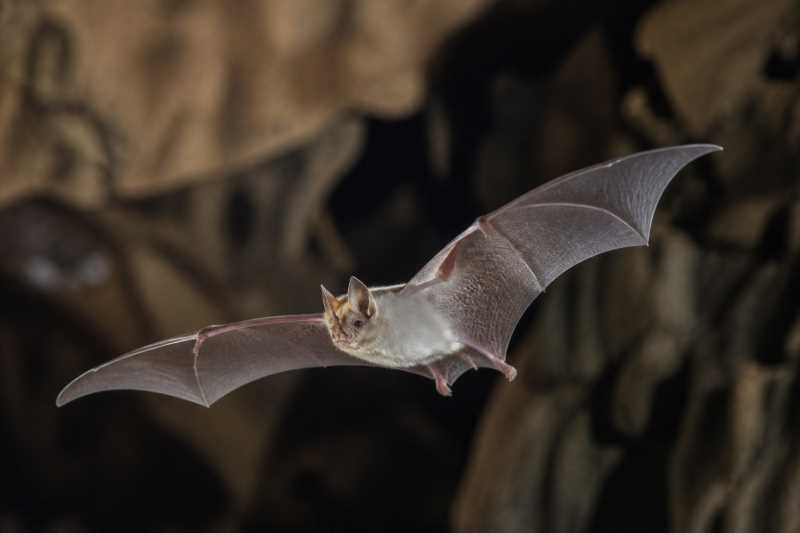
The Thailand Horseshoe Bat is a small to medium-sized bat, with a body length ranging from 4 to 6 centimeters and a wingspan of approximately 30 to 35 centimeters. Its weight varies between 7 to 15 grams, making it a relatively lightweight mammal. The fur of the Thailand Horseshoe Bat is typically a grayish-brown color, providing effective camouflage against the bark of trees and cave walls where it roosts. One of the most distinctive features of this species is its nose leaf, which resembles a horseshoe. This structure is not merely decorative; it plays a critical role in the bat’s echolocation process. The large, rounded ears of the Thailand Horseshoe Bat further enhance its ability to detect sound waves, allowing it to pinpoint prey with remarkable accuracy.
Range and Habitat
The Thailand Horseshoe Bat is primarily found in Thailand, as its name suggests, but its range extends to other parts of Southeast Asia, including Vietnam, Laos, and parts of Myanmar. This species favors habitats that provide ample roosting opportunities, such as limestone caves, dense forests, and even abandoned buildings. These environments not only offer protection from predators but also create ideal conditions for echolocation, with surfaces that reflect sound waves effectively. The bats often choose roosts that are near water sources, which are abundant in insects, their primary food source.
Behavior and Diet
The Thailand Horseshoe Bat is a nocturnal creature, emerging from its roost at dusk to begin its nightly hunt. Its diet mainly consists of insects, including moths, beetles, and flies. The bat employs its sophisticated echolocation system to detect and capture prey mid-flight. By emitting high-frequency sounds that bounce off objects and return as echoes, the bat can construct a detailed auditory map of its surroundings. This allows it to detect even the faintest movements of insects in the dark. Socially, the Thailand Horseshoe Bat is known to form colonies, which can range from a few individuals to several hundred. These colonies are crucial for thermoregulation and protection against predators. While they are generally solitary hunters, these bats exhibit social behaviors within their colonies, including grooming and vocal communication.
Identification Tips (Field Recognition Cues)
Identifying the Thailand Horseshoe Bat in the field can be challenging due to its nocturnal nature and preference for secluded roosting sites. However, several key features can aid in its identification:
- Nose Leaf: Look for the distinctive horseshoe-shaped nose leaf, which is a key characteristic of the Rhinolophidae family.
- Ear Shape: The bat’s large, rounded ears are another distinguishing feature.
- Fur Color: The grayish-brown fur can help differentiate it from other bat species in the region.
- Flight Pattern: Observing its flight pattern can also provide clues; the Thailand Horseshoe Bat has a fluttering, agile flight, often close to the ground or vegetation.
- Roosting Habitat: During the day, these bats can often be found in limestone caves or abandoned buildings.
Conservation Status (with Threats and Protections)
The Thailand Horseshoe Bat is currently listed as a species of Least Concern on the IUCN Red List. However, like many bat species, it faces several threats that could impact its population in the future. Habitat destruction, particularly the loss of forest cover and cave disturbances, poses a significant risk. Human encroachment and land conversion for agriculture and urban development are primary causes of habitat loss. Additionally, the use of pesticides in agriculture can reduce the availability of insect prey and directly harm the bats themselves. Conservation efforts for the Thailand Horseshoe Bat include protecting critical habitats and raising awareness about the importance of bats in ecosystems. Efforts to preserve limestone caves and surrounding forests are crucial, as these provide essential roosting sites. Moreover, reducing pesticide use and promoting organic farming can help sustain insect populations, benefiting the bats.
Frequently Asked Questions
What is the primary diet of the Thailand Horseshoe Bat?
The Thailand Horseshoe Bat primarily feeds on insects, such as moths, beetles, and flies. It uses echolocation to hunt and capture its prey mid-flight.
Where can the Thailand Horseshoe Bat be found?
This bat species is predominantly found in Thailand but also inhabits parts of Vietnam, Laos, and Myanmar. It prefers limestone caves, dense forests, and areas near water sources.
How does the Thailand Horseshoe Bat use echolocation?
The Thailand Horseshoe Bat emits high-frequency sound waves through its nose leaf, which bounce off objects and return as echoes. This allows the bat to create a detailed map of its surroundings and locate prey.
What are the threats facing the Thailand Horseshoe Bat?
The primary threats include habitat destruction due to deforestation and cave disturbances, as well as the impact of pesticide use on insect populations, which are their main food source.
How can we help conserve the Thailand Horseshoe Bat?
Conservation efforts include protecting habitats, such as limestone caves and forests, reducing pesticide use, and promoting awareness of the ecological importance of bats.
Related posts