Introduction
Sherman’s Short-tailed Shrew, scientifically known as Blarina shermani, is a fascinating mammal endemic to North America. This small, elusive creature plays a vital role in the ecosystem, acting as both predator and prey. Despite its diminutive size, this shrew is a powerhouse, known for its voracious appetite and unique adaptations that allow it to thrive in its natural habitat. This article delves into the various aspects of Sherman’s Short-tailed Shrew, offering insights into its physical characteristics, behavior, diet, and conservation status.
Physical Description
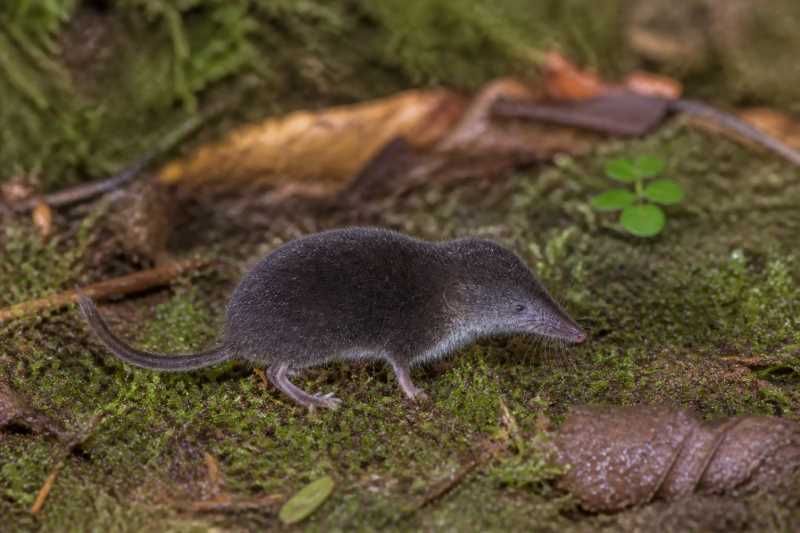
Sherman’s Short-tailed Shrew is a small mammal characterized by its robust body and short tail, which is about a quarter of its total body length. An adult usually measures between 9 to 12 centimeters in length, with a weight ranging from 15 to 30 grams. Its fur is dense and velvety, typically grayish-brown, providing excellent insulation against cold temperatures. The shrew’s eyes are small and not highly developed, as it relies more on its keen sense of smell and touch to navigate its environment. Its sharp, pointed snout and specialized sharp teeth allow it to hunt and consume a variety of prey efficiently.
Range and Habitat
The range of Sherman’s Short-tailed Shrew spans the eastern United States, with populations observed from the Great Lakes region down to the southeastern states. This species favors moist environments, often found in deciduous and mixed forests, grasslands, and areas with abundant leaf litter. They thrive in habitats where the soil is soft, allowing them to dig burrows easily. These shrews are also known to inhabit gardens and farmlands where they can benefit from human-altered landscapes.
Behavior and Diet
Sherman’s Short-tailed Shrews are primarily nocturnal, spending most of their time foraging for food. They are solitary creatures, with each shrew maintaining its territory. Their diet is diverse, primarily consisting of insects, earthworms, and other small invertebrates. They are also known to consume small vertebrates and plant matter occasionally. Remarkably, these shrews have a high metabolic rate, requiring them to eat up to three times their body weight daily to sustain their energy needs. Their venomous saliva, a rare trait among mammals, allows them to immobilize prey larger than themselves.
Identification Tips
Identifying Sherman’s Short-tailed Shrew in the field can be challenging due to its small size and secretive nature. However, several cues can aid in its identification:
- Size and Shape: Look for a small, stocky mammal with a short tail and a slightly pointed snout.
- Fur Texture: Their dense, soft fur is a distinguishing feature, usually a grayish-brown color.
- Behavior: They are often heard rather than seen, as they rustle through leaf litter and undergrowth.
- Habitat: Found in moist, wooded areas with plenty of ground cover.
Conservation Status
Currently, Sherman’s Short-tailed Shrew is not listed as endangered or threatened. However, habitat loss and environmental changes pose potential threats to its population. Conservation efforts focus on preserving natural habitats and ensuring the protection of forested and wetland areas. As insectivores, they play a crucial role in controlling insect populations, highlighting the importance of their conservation for maintaining ecological balance.
Frequently Asked Questions
1. What does Sherman’s Short-tailed Shrew eat? Sherman’s Short-tailed Shrew primarily feeds on insects, earthworms, and small invertebrates. It also occasionally consumes small vertebrates and plant material.
2. Where can Sherman’s Short-tailed Shrew be found? This species is found in the eastern United States, typically in moist, forested environments, grasslands, and areas with soft soil that supports burrowing.
3. Is Sherman’s Short-tailed Shrew venomous? Yes, Sherman’s Short-tailed Shrew possesses venomous saliva, which it uses to immobilize prey.
4. How can I identify Sherman’s Short-tailed Shrew in the wild? Look for a small, stocky mammal with a short tail and dense grayish-brown fur. They are often found in moist, wooded habitats and can be heard rustling through leaf litter.
5. What are the main threats to Sherman’s Short-tailed Shrew? The primary threats include habitat loss and environmental changes. Conservation efforts focus on habitat preservation to ensure the species’ survival.
Related posts