Western Red Panda (Ailurus fulgens)
Introduction
The Western Red Panda, scientifically known as Ailurus fulgens, is a small mammalian species native to temperate forests in the Eastern Himalayas. Often overshadowed by its giant panda cousin, the Western Red Panda has its unique charm and ecological significance. This article delves into the fascinating world of this elusive creature, providing insights into its physical attributes, habitat, behavior, and conservation status.
The Western Red Panda plays a crucial role in its ecosystem, acting as both a predator and prey while aiding in seed dispersal. However, with its population under threat due to habitat loss and poaching, understanding and protecting this species has become increasingly vital.
Physical Description
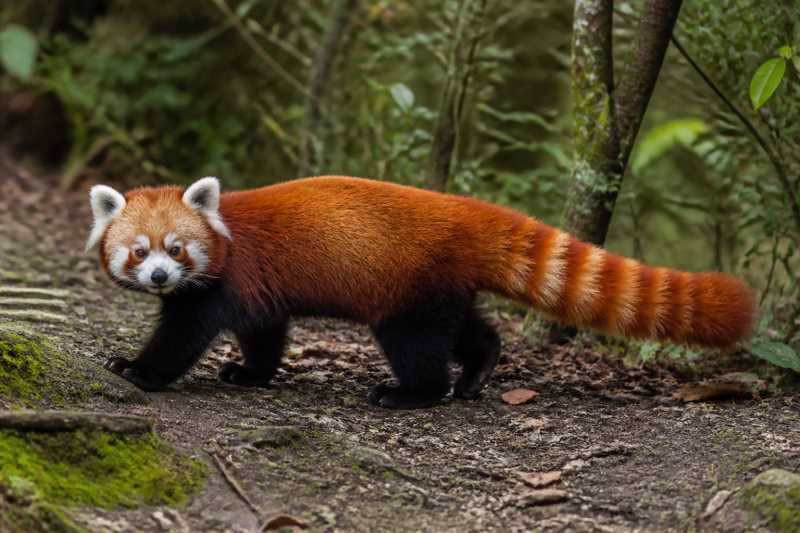
The Western Red Panda is characterized by its striking reddish-brown fur, which covers most of its body, contrasting with its black underparts. The face is adorned with white markings around the eyes, and its bushy tail is ringed with light and dark bands. This tail serves multiple purposes, from balancing to offering warmth.
Adult Western Red Pandas typically weigh between 4.5 to 6.2 kilograms (10 to 14 pounds) and measure about 50 to 64 centimeters (20 to 25 inches) in body length, with an additional tail length ranging from 28 to 59 centimeters (11 to 23 inches). Their round heads, erect ears, and black noses contribute to their endearing appearance.
Range and Habitat
The Western Red Panda is primarily found in the temperate forests of Nepal, India, Bhutan, and Myanmar. They prefer habitats with dense bamboo thickets and are often located at elevations between 2,200 to 4,800 meters (7,200 to 15,700 feet).
These mammals thrive in areas with abundant rainfall and a mild climate, relying heavily on the forest’s complex understory for food and shelter. The fragmentation of their habitat due to human activities poses a significant challenge to their survival, leading to isolated and vulnerable populations.
Behavior and Diet
Western Red Pandas are predominantly solitary animals, except during mating season or when a mother is raising her cubs. They are crepuscular, being most active during dawn and dusk, which helps them avoid predators and the midday heat.
Their diet mainly consists of bamboo leaves, making up about 85-95% of their intake. However, they are technically omnivores and supplement their diet with fruits, acorns, roots, and occasionally small birds or mammals.
Despite their reliance on bamboo, Western Red Pandas possess a simple stomach and lack the multi-chambered, cellulose-digesting stomachs found in true herbivores. This necessitates a higher intake of bamboo to meet their energy requirements.
Identification Tips
Identifying a Western Red Panda in the wild requires keen observation skills. Here are some field recognition cues:
- Coloration: Look for the distinctive reddish-brown fur and contrasting white facial markings.
- Tail: Note the bushy tail with alternating light and dark rings, used for balance and warmth.
- Size: Smaller than a giant panda, they are more akin to a large house cat in size.
- Behavior: They often exhibit arboreal activities, moving nimbly among tree branches.
- Sounds: Listen for their unique vocalizations, ranging from squeals to twittering sounds.
Conservation Status
The Western Red Panda is classified as "Endangered" on the IUCN Red List. The primary threats to its survival include habitat destruction through deforestation, poaching for their fur and bushmeat, and the illegal pet trade. Climate change also poses a long-term threat by altering their habitat and food sources.
Conservation efforts are underway, with various organizations working towards habitat preservation and anti-poaching initiatives. Protected areas and breeding programs aim to stabilize and eventually increase the population of this vulnerable species.
Frequently Asked Questions
What are the main threats to the Western Red Panda?
The main threats include habitat loss due to deforestation, poaching, and climate change. These factors lead to population fragmentation and decreased genetic diversity, threatening their survival.
How do Western Red Pandas communicate?
Western Red Pandas communicate through vocalizations such as squeals, twitters, and huff-quacks. They also use scent markings to convey information about territory and reproductive status.
What is the reproductive cycle of the Western Red Panda?
Females give birth to one to four cubs after a gestation period of about 135 days. Cubs are born blind and develop slowly, staying with their mother for up to a year.
Are Western Red Pandas related to giant pandas?
Despite their name, Western Red Pandas are not closely related to giant pandas. They belong to the family Ailuridae, while giant pandas are part of the Ursidae family. Western Red Pandas share closer genetic ties with raccoons.
How can I help in conserving Western Red Pandas?
Supporting organizations that focus on habitat conservation, anti-poaching efforts, and sustainable development in regions housing these pandas can make a significant impact. Raising awareness and advocating for policies that protect their natural habitats are also crucial steps.
Related posts