Introduction
The Western Woolly Lemur, scientifically known as Avahi occidentalis, is a captivating primate species that is part of the family Indriidae. These nocturnal creatures are native to the forests of Madagascar, an island renowned for its rich biodiversity and unique wildlife. As with many of Madagascar’s endemic species, the Western Woolly Lemur faces numerous challenges due to habitat destruction and other anthropogenic pressures. This article explores the fascinating world of the Western Woolly Lemur, delving into its physical attributes, natural habitat, behaviors, and the conservation efforts in place to protect this distinct species.
Physical Description
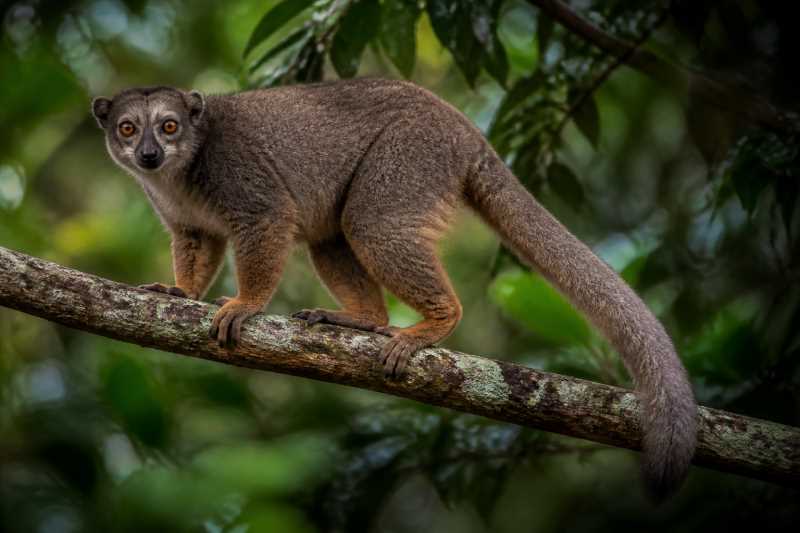
The Western Woolly Lemur is aptly named for its dense, woolly fur, which provides insulation against the cooler temperatures of its nocturnal lifestyle. These lemurs are relatively small, with an average body length of 25 to 30 centimeters and a tail length of roughly the same size, assisting with balance and agility in their arboreal environment.
Their pelage is predominantly a mix of grey and brown hues, which serves as excellent camouflage amidst the tree canopies. The facial features of the Western Woolly Lemur include large, round eyes adapted for night vision and a short muzzle. Their ears are small and often hidden beneath their soft fur. This combination of features contributes to their endearing appearance, making them a favorite subject for wildlife enthusiasts and researchers alike.
Range and Habitat
Avahi occidentalis is found exclusively in the dry deciduous forests of northwestern Madagascar. Their range is relatively limited compared to other lemur species, primarily occupying areas such as the Ankarafantsika National Park and the surrounding forested regions.
These lemurs thrive in habitats that offer a rich canopy for foraging and a complex structure of branches for movement and shelter. The dry deciduous forests they inhabit are characterized by a distinct wet and dry season, with trees losing their leaves during the dry months. This seasonal change impacts the availability of food sources and influences the lemurs’ foraging strategies and behavior.
Behavior and Diet
The Western Woolly Lemur is a nocturnal and folivorous species, primarily feeding on leaves, which make up the bulk of their diet. However, they also consume flowers, buds, and occasionally fruits when available. Their digestive system is specially adapted to break down cellulose, allowing them to efficiently extract nutrients from their fibrous diet.
Socially, these lemurs are monogamous, often seen in small family groups consisting of a mated pair and their offspring. Communication between individuals is facilitated through a series of vocalizations, olfactory signals, and visual cues. Their vocal sounds are used to establish territory and maintain contact with family members during nocturnal foraging.
Identification Tips (Field Recognition Cues)
Identifying the Western Woolly Lemur in the wild can be a rewarding experience for those keen on observing these elusive primates. Here are some field recognition cues:
- Nocturnal Activity: Observing during dusk or nighttime increases chances of sighting.
- Distinctive Calls: Listen for their low-pitched, murmuring calls used during communication.
- Camouflaged Fur: Look for their grey-brown fur blending with the bark and leaves.
- Habitat Preference: Focus searches in dense, dry deciduous forests.
- Arboreal Movements: Watch for agile leaps and movements among tree branches.
Conservation Status (with Threats and Protections)
The Western Woolly Lemur is currently classified as "Vulnerable" by the International Union for Conservation of Nature (IUCN). The primary threats to their survival include habitat loss due to agricultural expansion, illegal logging, and charcoal production. Additionally, hunting pressures pose a significant risk to their populations.
Conservation efforts are underway to mitigate these threats. Protected areas such as Ankarafantsika National Park play a crucial role in preserving their natural habitat. Conservation organizations are also working with local communities to promote sustainable land-use practices and raise awareness about the importance of protecting this unique species.
Frequently Asked Questions
What is the Western Woolly Lemur’s primary diet?
The Western Woolly Lemur primarily feeds on leaves, but it also consumes flowers, buds, and occasionally fruits. Their diet is well-suited to their folivorous digestive system.
How does habitat loss affect the Western Woolly Lemur?
Habitat loss, primarily due to deforestation and agricultural expansion, reduces the available living space and resources for the Western Woolly Lemur, leading to population declines.
Are Western Woolly Lemurs social animals?
Yes, Western Woolly Lemurs are social animals, typically forming monogamous pairs and living in small family groups. They communicate through vocalizations and other signals.
Where can I see a Western Woolly Lemur in the wild?
The best opportunity to see a Western Woolly Lemur is in the dry deciduous forests of northwestern Madagascar, particularly in protected areas like Ankarafantsika National Park.
What conservation measures are in place for the Western Woolly Lemur?
Conservation measures include habitat protection in national parks, community engagement for sustainable practices, and anti-poaching efforts to safeguard the species against hunting.
Related posts