Jaliscan Spiny Pocket Mouse (Heteromys spectabilis)
Introduction
The Jaliscan Spiny Pocket Mouse, scientifically known as Heteromys spectabilis, is a fascinating rodent species that captivates researchers and wildlife enthusiasts alike. This small but remarkable mammal is noted for its distinctive spiny fur and unique ecological adaptations. Native to Mexico, this species plays a crucial role in its native habitat, contributing to seed dispersal and soil aeration. Despite its importance, the Jaliscan Spiny Pocket Mouse faces several threats, making the study and conservation of this species more vital than ever.
Physical Description
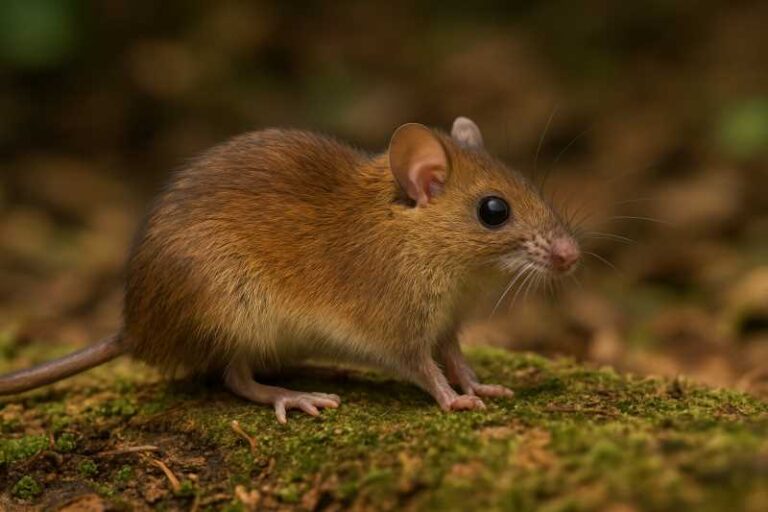
The Jaliscan Spiny Pocket Mouse is a small-sized rodent, typically measuring between 150 to 200 millimeters in total length, including its tail, which often accounts for more than half of this length. The average weight of this species ranges from 40 to 60 grams. It is characterized by its coarse, spiny fur, which provides protection against predators and environmental elements. The fur is generally a mix of brown, gray, and black, with a lighter underbelly.
One of the most distinctive features of the Jaliscan Spiny Pocket Mouse is its cheek pouches, which are used to transport food. These pouches are fur-lined and can expand significantly, allowing the mouse to carry a substantial amount of seeds and other food items. The ears are small and rounded, while the eyes are relatively large, suggesting a nocturnal lifestyle.
Range and Habitat
The Jaliscan Spiny Pocket Mouse is endemic to Mexico, specifically found in the western region, predominantly in the state of Jalisco. It inhabits a range of environments, including tropical deciduous forests, thorn forests, and dry scrublands. This species is highly adaptable, often residing in areas with loose, sandy soils that facilitate burrowing.
These mice are terrestrial and prefer habitats with dense vegetation cover, which provides both food resources and protection from predators. The availability of seeds and other plant material is a crucial factor in habitat selection, as these form the primary components of their diet.
Behavior and Diet
The Jaliscan Spiny Pocket Mouse is primarily nocturnal, with most of its activity occurring during the night. This behavior helps it avoid daytime predators and the heat of the sun, which is particularly important in its warm, arid environment. During the day, the mouse retreats to its burrow, which provides safety and a stable microclimate.
The diet of the Jaliscan Spiny Pocket Mouse primarily consists of seeds, grains, and other plant materials. It is an important seed disperser, contributing to the health and regeneration of its ecosystem. Occasionally, it may also consume insects, which provide additional protein and nutrients.
Identification Tips (Field Recognition Cues)
Identifying the Jaliscan Spiny Pocket Mouse in the field can be challenging due to its elusive nature and nocturnal habits. However, several cues can aid in recognition:
- Spiny Fur: Look for the distinctive spiny texture of the fur, which is unlike the softer fur of other rodents.
- Cheek Pouches: Notice the expanded cheek pouches, especially if the mouse is foraging.
- Tail Length: The tail is typically longer than the body, with a tufted appearance at the tip.
- Behavior: Observe its nocturnal activity patterns and burrowing behavior.
Conservation Status (with Threats and Protections)
The Jaliscan Spiny Pocket Mouse is currently classified as Near Threatened on the IUCN Red List. The primary threats to this species include habitat destruction due to agricultural expansion, urbanization, and deforestation. Climate change also poses a significant threat, as it alters the availability of food resources and suitable habitat conditions.
Conservation efforts for the Jaliscan Spiny Pocket Mouse focus on habitat preservation and restoration. Protected areas and reserves play a critical role in safeguarding its natural environment. Moreover, further research is needed to better understand the species’ ecology and inform conservation strategies.
Frequently Asked Questions
What is the natural habitat of the Jaliscan Spiny Pocket Mouse?
The Jaliscan Spiny Pocket Mouse naturally inhabits tropical deciduous forests and thorn forests in western Mexico, particularly in the state of Jalisco.
How does the Jaliscan Spiny Pocket Mouse contribute to its ecosystem?
This mouse plays a vital role in seed dispersal, which aids in plant regeneration and contributes to maintaining biodiversity in its habitat.
What are the main threats to the Jaliscan Spiny Pocket Mouse?
The main threats include habitat destruction due to agriculture and urbanization, as well as climate change, which affects food availability and habitat conditions.
How can one identify the Jaliscan Spiny Pocket Mouse in the wild?
Key identification features include its spiny fur, long tail with a tufted tip, and the presence of cheek pouches.
What conservation measures are in place for the Jaliscan Spiny Pocket Mouse?
Conservation measures include habitat preservation, establishing protected areas, and conducting further research to inform effective conservation strategies.
Related posts