Northern Gray-bellied Squirrel (Callosciurus caniceps)
Introduction
The Northern Gray-bellied Squirrel, scientifically known as Callosciurus caniceps, is an intriguing member of the Sciuridae family. Known for its adaptability and remarkable agility, this species is a common sight in its native habitats across Southeast Asia. Despite their relative abundance, understanding the nuances of these squirrels’ behavior, physical characteristics, and ecological roles remains an ongoing scientific endeavor.
Physical Description
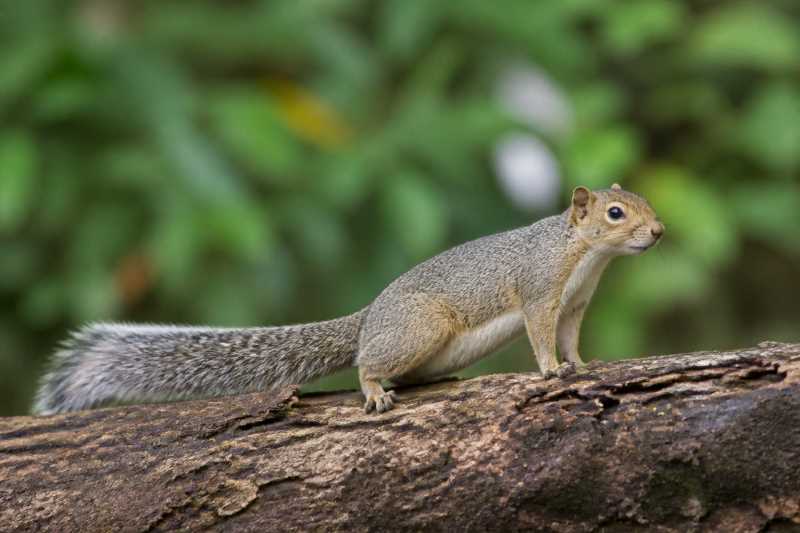
The Northern Gray-bellied Squirrel is characterized by its medium-sized body, with adults typically measuring between 25 to 30 centimeters in length, excluding the tail. The tail itself adds another 22 to 25 centimeters, which is bushy and serves as an essential tool for balance and communication.
The fur of Callosciurus caniceps is predominantly gray, with a distinctive lighter gray or whitish underside, giving the species its common name. The coat is sleek and dense, providing excellent insulation in varied environmental conditions. The squirrel’s head is small and rounded with sharp, inquisitive eyes that exhibit a keen sense of awareness, while its ears are short but highly sensitive to sound.
Their strong hind legs are adapted for powerful leaps, essential for navigating the arboreal landscapes they inhabit. Sharp, curved claws aid in climbing and foraging, making them adept at exploring both trees and ground-level environments.
Range and Habitat
The Northern Gray-bellied Squirrel is native to the tropical and subtropical regions of Southeast Asia, with its range extending across Thailand, Myanmar, Laos, Vietnam, and parts of Cambodia and Malaysia. These squirrels are versatile in their habitat preferences, thriving in primary and secondary forests, as well as in plantation areas and urban parks.
They exhibit a preference for dense forested areas where they can exploit the vertical space provided by tall trees. The presence of mature trees with ample foliage is crucial, as these provide food, shelter, and protection from predators. In more urban environments, they can often be found in gardens and parks, where they have adapted well to human presence.
Behavior and Diet
Northern Gray-bellied Squirrels are diurnal, meaning they are active during the day. They are particularly busy during the early morning and late afternoon when temperatures are more moderate. These squirrels are highly territorial and use a range of vocalizations and tail movements to communicate with each other and defend their home ranges.
Their diet is primarily herbivorous, consisting of fruits, nuts, seeds, and occasionally, small insects. They play an essential ecological role as seed dispersers, aiding in forest regeneration. During times of food scarcity, they have been known to sample bark, flowers, and even cultivated crops, which sometimes brings them into conflict with farmers.
Identification Tips (Field Recognition Cues)
Identifying the Northern Gray-bellied Squirrel in the field involves noting several key features:
- Coloration: Look for the characteristic gray upper body with a lighter gray or whitish belly.
- Tail: Observe the long, bushy tail which is often used for balance and signaling.
- Movement: Note their agile and quick movements through the trees, often marked by impressive jumps.
- Vocalizations: Listen for their distinct calls, which can be a giveaway of their presence even if they are not immediately visible.
Conservation Status (with Threats and Protections)
The Northern Gray-bellied Squirrel is currently listed as Least Concern by the International Union for Conservation of Nature (IUCN). While the species is not immediately threatened, several factors could pose future risks.
Threats:
- Habitat Loss: Deforestation for agriculture, urban development, and logging reduces their natural habitat, impacting their populations.
- Hunting and Pet Trade: In some regions, these squirrels are hunted for food or captured for the illegal pet trade.
Protections:
- Protected Areas: Many populations live within national parks and reserves that provide some level of protection.
- Legal Protections: Various Southeast Asian countries have laws regulating hunting and trade to help preserve local wildlife.
Conservation efforts focus on habitat preservation and stricter enforcement of wildlife protection laws to ensure the sustainability of their populations.
Frequently Asked Questions
- What is the lifespan of the Northern Gray-bellied Squirrel?
The Northern Gray-bellied Squirrel typically lives for about 6 to 8 years in the wild, though lifespan can vary depending on environmental conditions and predation pressures.
- Are Northern Gray-bellied Squirrels social animals?
While they are not particularly social, they do communicate with others within their territory through vocalizations and tail movements, especially during the breeding season.
- How do Northern Gray-bellied Squirrels contribute to their ecosystem?
They play a crucial role as seed dispersers, which helps in forest regeneration. Their foraging habits contribute to the spreading of seeds and the growth of new plants.
- What adaptations help Northern Gray-bellied Squirrels survive in their habitat?
Their sharp claws and strong hind legs aid in climbing and jumping, while their keen eyesight and hearing help detect predators. Their fur provides excellent insulation against temperature changes.
- How can I help in the conservation of Northern Gray-bellied Squirrels?
Supporting organizations focused on habitat preservation, adhering to wildlife protection laws, and spreading awareness about the importance of preserving natural habitats can contribute to their conservation.
Related posts