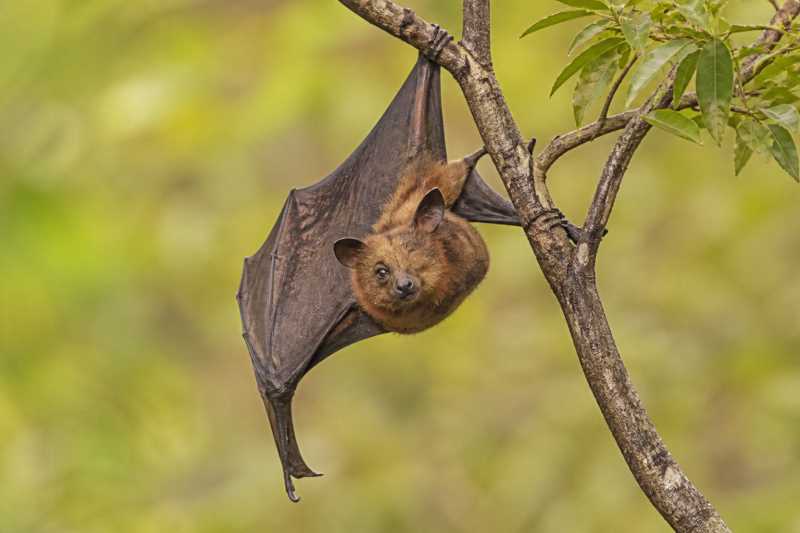
Wahlberg’s Epauletted Fruit Bat (Epomophorus wahlbergi)
Introduction
Wahlberg’s Epauletted Fruit Bat (Epomophorus wahlbergi) is a fascinating creature that belongs to the Pteropodidae family, commonly known as the Old World fruit bats or flying foxes. Named after the Swedish naturalist Johan August Wahlberg, this bat is predominantly found in the sub-Saharan regions of Africa. Known for its unique epaulette-like markings and important ecological role, Wahlberg’s Epauletted Fruit Bat is a subject of interest for both researchers and wildlife enthusiasts.
These bats are crucial for seed dispersal and pollination, making them vital to the ecosystems they inhabit. As nocturnal mammals, they exhibit intriguing behaviors and adaptations that enable them to thrive in their environments. In this article, we explore the physical characteristics, habitat, behavior, and conservation status of Wahlberg’s Epauletted Fruit Bat, providing valuable insights for anyone interested in this captivating species.
Physical Description
Wahlberg’s Epauletted Fruit Bats are medium-sized bats with distinctive physical features that aid in their identification. Adult bats typically have a wingspan ranging from 45 to 55 centimeters and weigh between 80 to 120 grams. Their fur is generally brown or grayish-brown, with a lighter underbelly. The most defining feature of this species is the presence of white tufts of fur, resembling epaulettes, located on the shoulders of the males. These epaulettes are believed to play a role in mating displays and social interactions.
The face of the Wahlberg’s Epauletted Fruit Bat is characterized by large, expressive eyes and a relatively short snout, adaptations that are typical of fruit bats. Their ears are modestly sized but well-suited for echolocation, although they primarily rely on sight and smell to locate food. The wings of these bats are long and narrow, allowing for agile flight and maneuverability among trees.
Range and Habitat
Wahlberg’s Epauletted Fruit Bats are widely distributed across sub-Saharan Africa. Their range extends from Senegal and Sudan in the north to South Africa in the south. They inhabit a variety of environments, including savannas, woodlands, and forests. These bats are adaptable and can also be found in urban areas where fruit trees are abundant.
Their preferred habitats are areas with a plentiful supply of fruiting trees and flowering plants. Roosting sites are typically located in tree canopies, caves, or buildings, where they can find shelter during the day. Wahlberg’s Epauletted Fruit Bats are known to form small colonies, although solitary roosting is not uncommon.
Behavior and Diet
As nocturnal creatures, Wahlberg’s Epauletted Fruit Bats are most active during the night. They emerge from their roosts at dusk to forage for food. Their diet primarily consists of fruits, nectar, and occasionally leaves. They are particularly fond of figs, guavas, and mangoes. By feeding on these fruits and the subsequent dispersal of seeds, these bats play a critical role in the regeneration of forests and the maintenance of biodiversity.
Their foraging behavior is aided by a keen sense of smell and good eyesight, which help them locate ripe fruits and flowers. During feeding, they often hang upside down from branches using their feet, skillfully manipulating the fruit with their wings and mouth.
Social interactions among Wahlberg’s Epauletted Fruit Bats are complex and involve a variety of vocalizations and physical displays, particularly during the mating season. Males are known to use their epaulettes and distinctive calls to attract females.
Identification Tips (Field Recognition Cues)
Identifying Wahlberg’s Epauletted Fruit Bat in the field involves noting several key features:
- Epaulettes: Look for the characteristic white shoulder tufts, particularly in males.
- Size and Wingspan: Medium-sized with a wingspan of 45-55 cm.
- Fur Color: Generally brown or grayish-brown with lighter underparts.
- Facial Features: Large eyes and a short snout typical of fruit bats.
- Habitat: Presence in areas with abundant fruit trees and flowering plants.
These cues can help distinguish Wahlberg’s Epauletted Fruit Bat from other bat species in their range.
Conservation Status (With Threats and Protections)
The International Union for Conservation of Nature (IUCN) currently lists Wahlberg’s Epauletted Fruit Bat as a species of Least Concern. However, like many wildlife species, they face threats from habitat destruction, hunting, and climate change.
Habitat destruction, particularly deforestation for agriculture and urban development, poses a significant threat to their populations. Additionally, these bats are sometimes hunted for bushmeat or persecuted due to misconceptions about their role in spreading diseases.
Conservation efforts are focused on habitat preservation and education to promote the ecological benefits of fruit bats. Protected areas and wildlife reserves play a crucial role in conserving their natural habitats. Raising awareness about the importance of bats in ecosystems can also help mitigate human-wildlife conflicts.
Frequently Asked Questions
What do Wahlberg’s Epauletted Fruit Bats eat?
Wahlberg’s Epauletted Fruit Bats primarily feed on fruits such as figs, guavas, and mangoes. They also consume nectar and occasionally leaves. Their diet is essential for seed dispersal and pollination.
How do Wahlberg’s Epauletted Fruit Bats contribute to the ecosystem?
These bats are crucial for seed dispersal and pollination. By feeding on fruits and nectar, they help regenerate forests and maintain biodiversity, supporting a healthy ecosystem.
Where are Wahlberg’s Epauletted Fruit Bats found?
They are found across sub-Saharan Africa, from Senegal and Sudan to South Africa. They inhabit savannas, woodlands, forests, and urban areas with abundant fruit trees.
How can I identify a Wahlberg’s Epauletted Fruit Bat?
Look for the characteristic white shoulder epaulettes, large eyes, and brown or grayish-brown fur. They are medium-sized bats with a wingspan of 45-55 cm.
Are Wahlberg’s Epauletted Fruit Bats endangered?
Currently listed as Least Concern by the IUCN, they face threats from habitat loss and hunting. Conservation efforts focus on habitat preservation and raising awareness about their ecological benefits.
Related posts