The Orange River White-eye: A Jewel of Southern Africa
The Orange River White-eye, scientifically known as Zosterops pallidus, is a diminutive yet captivating bird species native to Southern Africa. With its vibrant plumage and intriguing behaviors, this bird is an enchanting subject for both ornithologists and bird enthusiasts alike. This article delves into the fascinating characteristics, habitat, and conservation status of the Orange River White-eye, shedding light on why this species deserves both admiration and protection.
Taxonomy and Classification
The Orange River White-eye belongs to the family Zosteropidae, which is renowned for its diverse and widespread group of small passerine birds commonly referred to as "white-eyes" due to the distinctive ring of white feathers encircling their eyes. The genus Zosterops is extensive, comprising numerous species found across Africa, Asia, and Australasia. Zosterops pallidus was first described in the mid-19th century and is closely related to other white-eye species, though it possesses unique characteristics that set it apart.
Physical Description
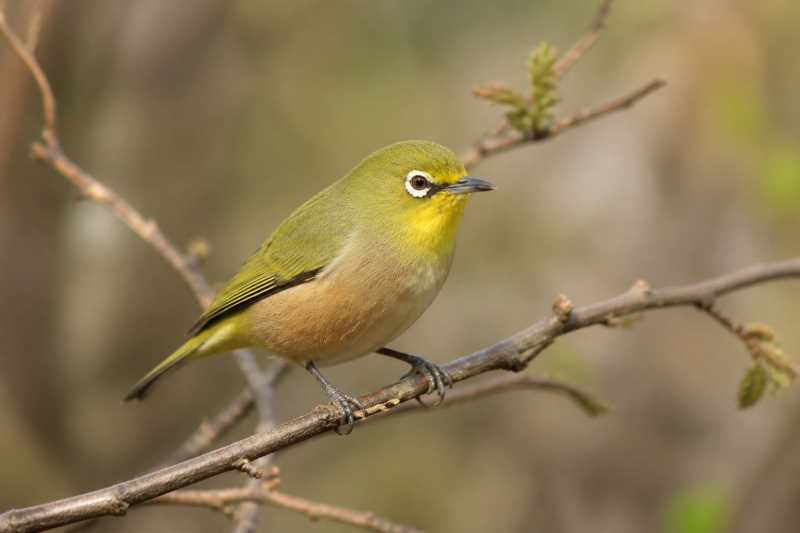
The Orange River White-eye is a small bird, measuring approximately 10 to 12 centimeters in length. Its most striking feature is the prominent white eye-ring that contrasts with its olive-green upperparts and yellowish underparts. The bird’s wings and tail are generally darker, providing a subtle yet elegant variation in its plumage. The bill is slender and pointed, adapted for its primarily insectivorous diet, although it occasionally feeds on nectar and fruits.
Habitat and Distribution
As its name suggests, the Orange River White-eye is predominantly found along the Orange River, which flows through South Africa, Namibia, and Botswana. However, its range extends beyond the river, inhabiting various woodland, savanna, and scrubland regions across Southern Africa. The bird displays remarkable adaptability, thriving in both natural and human-altered landscapes, including gardens and orchards. This adaptability is a testament to the species’ resilience and ecological versatility.
Behavior and Ecology
The Orange River White-eye is a highly social bird, often observed in small flocks that flit energetically through the foliage. These birds are known for their acrobatic foraging techniques, deftly maneuvering through branches in search of insects. Their diet is varied, consisting mainly of insects, but they also consume nectar and fruits, which they forage using their specialized brush-tipped tongues.
Communication among Orange River White-eyes is intriguing, characterized by a series of melodious calls and songs. These vocalizations play a crucial role in maintaining social cohesion within flocks and are also used during courtship and territorial disputes.
Breeding occurs during the warmer months, from September to February. The species is monogamous, with pairs collaborating to build small, cup-shaped nests in shrubs or trees. Females typically lay two to four eggs, which both parents incubate. After hatching, both parents are involved in feeding and caring for the chicks until they fledge.
Conservation Status
The Orange River White-eye is currently listed as a species of "Least Concern" by the International Union for Conservation of Nature (IUCN). This status is attributed to its relatively wide distribution and stable population numbers. However, like many bird species worldwide, the Orange River White-eye faces potential threats from habitat destruction, climate change, and human activities such as agriculture and urbanization.
Conservation efforts for the Orange River White-eye focus on habitat preservation and monitoring population trends to ensure that this species remains abundant in its native range. Public awareness and engagement in conservation initiatives are crucial to safeguarding the habitats that support not only the Orange River White-eye but also the myriad of other species that share its environment.
The Significance of the Orange River White-eye
Beyond its ecological role, the Orange River White-eye holds cultural significance in Southern Africa. Its presence in gardens and parks brings joy to many, symbolizing the rich biodiversity of the region. Birdwatchers and nature enthusiasts often seek out this species, contributing to local ecotourism and fostering a greater appreciation for the natural world.
In conclusion, the Orange River White-eye is a remarkable example of nature’s beauty and resilience. Its vibrant appearance and lively behavior make it a cherished part of Southern Africa’s avian community. By understanding and protecting the Orange River White-eye, we can contribute to the preservation of biodiversity and the health of ecosystems across the region.
References
- International Union for Conservation of Nature (IUCN)
- BirdLife International
- Various ornithological studies and field guides on Southern African bird species
Related posts