Introduction
The Uinta Ground Squirrel (Urocitellus armatus) is a fascinating species native to North America, primarily found in the western United States. Known for its distinctive behaviors and ecological significance, this ground squirrel is an integral part of its ecosystem. This article delves into various aspects of the Uinta Ground Squirrel, including its physical characteristics, natural habitat, behavior, diet, conservation status, and more. Whether you’re a wildlife enthusiast or a researcher, this comprehensive guide offers valuable insights into the life of this remarkable mammal.
Physical Description
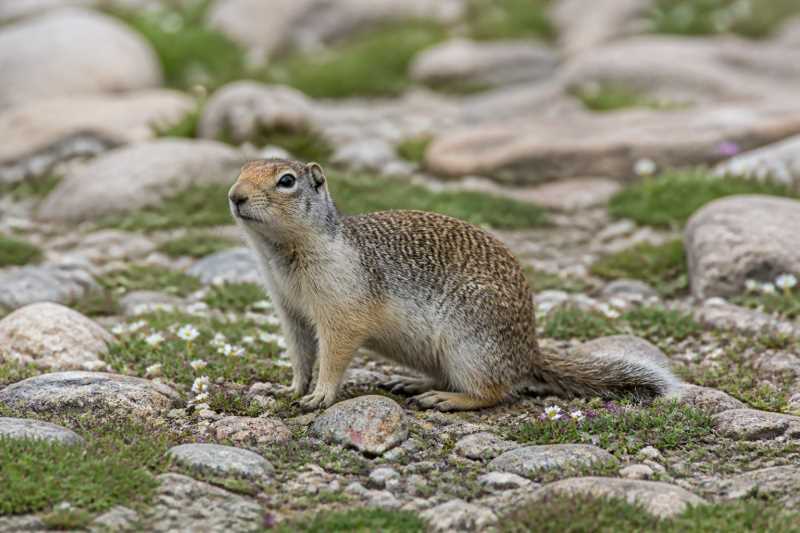
The Uinta Ground Squirrel is a small to medium-sized rodent, with adults typically measuring 28 to 30 centimeters in length, including the tail. The tail itself is relatively short, about 6 to 9 centimeters. The fur of the Uinta Ground Squirrel is generally grayish-brown with a slight reddish tinge on its back, while the underparts are lighter, often appearing whitish or cream-colored. This coloration provides effective camouflage against the soil and vegetation of its natural habitat.
The Uinta Ground Squirrel has a rounded body with short legs and a somewhat flattened head. Its eyes are large and dark, providing excellent vision to spot predators. The ears are small and close to the head, minimizing heat loss and reducing the risk of injury in its burrowing lifestyle. Its paws are equipped with sharp claws, essential for digging extensive burrow systems.
Range and Habitat
The Uinta Ground Squirrel occupies a range primarily in the western United States, with a concentration in the states of Wyoming, Utah, Idaho, and Montana. It thrives in open areas such as meadows, grasslands, and sagebrush plains, often at elevations ranging from 1,500 to 3,000 meters. These habitats provide ample food resources and optimal conditions for burrow construction.
This species is particularly associated with the Uinta Mountains, from which it derives its common name. The Uinta Ground Squirrel prefers well-drained soils that facilitate burrowing, and these environments often feature an abundance of grasses and forbs that constitute its primary diet.
Behavior and Diet
Uinta Ground Squirrels are diurnal creatures, most active during the early morning and late afternoon. They spend a significant portion of their lives in burrows, which they dig themselves. These burrows serve as protection from predators and harsh weather conditions, as well as sites for rearing young and storing food.
The social structure of Uinta Ground Squirrels is hierarchical, with dominant individuals often asserting control over the best feeding areas. Communication within these groups is achieved through a series of vocalizations and body postures, used to alert others to potential threats or to establish dominance.
Their diet primarily consists of grasses, seeds, and forbs, but they are also known to consume insects and small vertebrates when available. This varied diet helps them accumulate the necessary fat reserves to survive during periods of hibernation, which can last from six to nine months depending on environmental conditions.
Identification Tips (field recognition cues)
Identifying Uinta Ground Squirrels in the wild can be facilitated by observing certain key characteristics:
- Size and Shape: Look for a small to medium-sized rodent with a round body and short legs.
- Coloration: Note the grayish-brown fur with a reddish tint on the back and lighter underparts.
- Tail: Observe the short, bushy tail that is often less than one-third the total body length.
- Behavior: Watch for burrowing activity and social interactions between individuals, particularly vocalizations.
- Habitat: Search in open meadows, grasslands, and sagebrush plains at higher elevations.
Conservation Status (with threats and protections)
The Uinta Ground Squirrel is currently classified as "Least Concern" by the International Union for Conservation of Nature (IUCN). Despite this status, local populations can be affected by a variety of threats, including habitat destruction, climate change, and predation.
Agricultural expansion and urban development have led to habitat fragmentation, posing significant challenges to the species. Climate change further exacerbates these issues by altering the availability and quality of suitable habitats. Predation by birds of prey, coyotes, and other carnivores is a natural threat; however, it is often intensified by human-altered landscapes.
Conservation efforts focus on habitat preservation and restoration, as well as public education to minimize human-wildlife conflicts. Protecting large tracts of natural land and promoting sustainable land-use practices are vital to ensuring the long-term survival of the Uinta Ground Squirrel.
Frequently Asked Questions
1. What do Uinta Ground Squirrels eat?
Uinta Ground Squirrels primarily feed on grasses, seeds, and forbs. They have an opportunistic diet and may also consume insects and small vertebrates when available. This diverse diet helps them build fat reserves for hibernation.
2. How do Uinta Ground Squirrels survive the winter?
These ground squirrels survive the winter by hibernating. They enter hibernation for six to nine months, depending on environmental conditions, during which they rely on stored body fat for energy.
3. Where can I find Uinta Ground Squirrels in the wild?
You can find Uinta Ground Squirrels in the western United States, particularly in Wyoming, Utah, Idaho, and Montana. They inhabit open meadows, grasslands, and sagebrush plains, often at elevations between 1,500 and 3,000 meters.
4. Are Uinta Ground Squirrels endangered?
No, the Uinta Ground Squirrel is not currently endangered and is classified as "Least Concern" by the IUCN. However, they face threats from habitat destruction and climate change.
5. What is the lifespan of a Uinta Ground Squirrel?
In the wild, Uinta Ground Squirrels have an average lifespan of about 3 to 4 years. Factors such as predation, disease, and environmental conditions can influence their longevity.
Related posts