Introduction
The Asia Minor Ground Squirrel, scientifically known as Spermophilus xanthoprymnus, is a captivating rodent species native to the expansive landscapes of Turkey and parts of Southwest Asia. As a member of the Sciuridae family, this ground squirrel plays a crucial role in the ecosystem, contributing to seed dispersion and soil aeration. Despite their ecological importance, these squirrels have garnered little attention compared to their more prominent counterparts. This article aims to shed light on this fascinating species, diving into its physical characteristics, habitat, behavior, and conservation status.
Physical Description
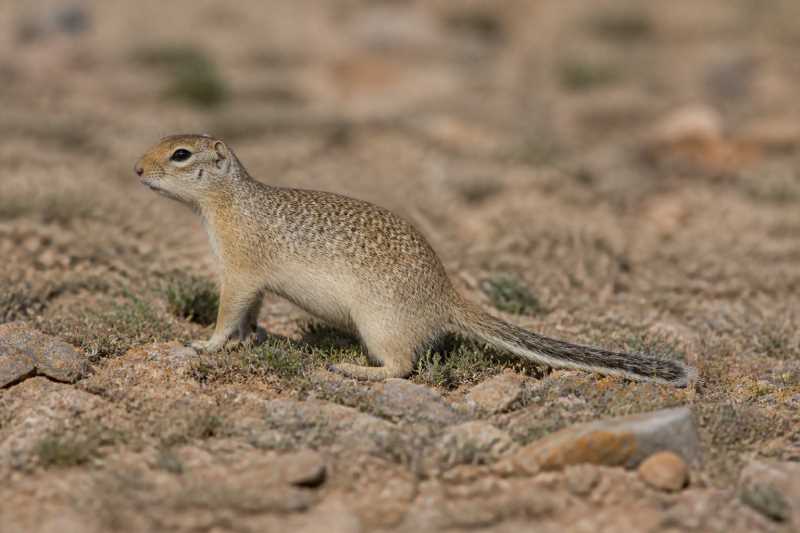
The Asia Minor Ground Squirrel is a medium-sized rodent, characterized by its robust body and distinctive coloration. Adults typically measure between 20 to 25 centimeters in length, excluding the tail, which adds an additional 5 to 10 centimeters. These squirrels weigh approximately 300 to 400 grams, with males slightly larger than females.
The fur of the Asia Minor Ground Squirrel is predominantly a sandy or yellowish-brown, providing excellent camouflage against the dry, open habitats they frequent. The underparts are usually lighter, with a subtle yellowish hue, while the tail is bushy with a mixture of brown and black hairs. One of the most striking features of this species is its facial markings, which include a pale stripe running from the nose to the eyes, enhancing their alert expression.
Range and Habitat
The geographical distribution of the Asia Minor Ground Squirrel is primarily confined to Turkey, with isolated populations potentially extending into neighboring regions of Southwest Asia. These squirrels are adapted to a variety of habitats but show a preference for open landscapes such as steppes, grasslands, and agricultural fields.
Their choice of habitat is influenced by the availability of food resources and the presence of suitable burrowing sites. Ground squirrels construct extensive burrow systems, which serve as refuges from predators and harsh weather conditions. These burrows are typically located in areas with loose, well-drained soils, facilitating easy excavation.
Behavior and Diet
Asia Minor Ground Squirrels are diurnal creatures, most active during the cooler parts of the day. They exhibit a range of intriguing behaviors, including social interactions, foraging, and burrow maintenance. These squirrels are known for their alertness and are often seen standing on their hind legs, scanning the surroundings for potential threats.
Their diet is predominantly herbivorous, consisting of seeds, roots, and green plant material. However, they are opportunistic feeders and may occasionally consume insects and small invertebrates. The availability of food resources varies seasonally, influencing their foraging patterns and dietary preferences.
Identification Tips
Recognizing the Asia Minor Ground Squirrel in the field requires attention to specific features:
- Coloration: Look for their yellowish-brown fur, which blends seamlessly with their environment.
- Size and Shape: Note their medium size, robust build, and relatively short, bushy tail.
- Behavior: Observe their characteristic upright posture and alert demeanor.
- Habitat: Focus on open landscapes such as steppes and agricultural fields where they are most commonly found.
Conservation Status
The conservation status of the Asia Minor Ground Squirrel is currently assessed as Near Threatened by the International Union for Conservation of Nature (IUCN). These squirrels face several threats, primarily stemming from habitat loss due to agricultural expansion, urban development, and land-use changes.
Additionally, they are susceptible to predation by natural predators and human-induced threats such as hunting and poisoning. Despite these challenges, some protective measures are in place, including legal protections and habitat conservation efforts. Continued monitoring and research are essential to ensure the long-term survival of this species.
Frequently Asked Questions
1. What is the lifespan of the Asia Minor Ground Squirrel? The average lifespan of an Asia Minor Ground Squirrel in the wild is approximately 3 to 4 years. However, their lifespan can be influenced by factors such as predation, disease, and environmental conditions.
2. How do Asia Minor Ground Squirrels survive the winter? These squirrels enter a state of hibernation during the winter months, retreating to their underground burrows to conserve energy. Hibernation is a crucial survival strategy, allowing them to endure periods of food scarcity and harsh weather.
3. Are Asia Minor Ground Squirrels solitary or social animals? Asia Minor Ground Squirrels exhibit a degree of social behavior, often forming loose colonies. While they are not as social as some other squirrel species, they do engage in communication and cooperative behaviors, particularly in alerting each other to potential dangers.
4. What are the main predators of the Asia Minor Ground Squirrel? These squirrels face predation from a variety of animals, including birds of prey, foxes, and snakes. Their burrowing behavior and vigilant nature help mitigate the risk of predation.
5. How can I help in the conservation of the Asia Minor Ground Squirrel? Supporting conservation organizations, promoting habitat protection, and raising awareness about the species’ plight are effective ways to contribute to their conservation. Engaging in responsible tourism and advocating for sustainable land-use practices also play a vital role.
Related posts