Schlieffen’s Serotine (Nycticeinops schlieffenii): A Comprehensive Overview
Introduction
Schlieffen’s Serotine, scientifically known as Nycticeinops schlieffenii, is a fascinating bat species belonging to the Vespertilionidae family. These bats are small, insectivorous mammals with a wide distribution across various African regions. Known for their distinctive echolocation abilities and nocturnal habits, Schlieffen’s Serotines contribute significantly to ecosystem balance by controlling insect populations.
Schlieffen’s Serotine is named in honor of the German zoologist Hermann von Schlieffen. These bats are often spotted in urban and rural settings alike, adapting well to diverse environments. This article dives deep into the physical characteristics, habitat, behavior, and conservation status of Schlieffen’s Serotine, providing crucial insights for wildlife enthusiasts and researchers.
Physical Description
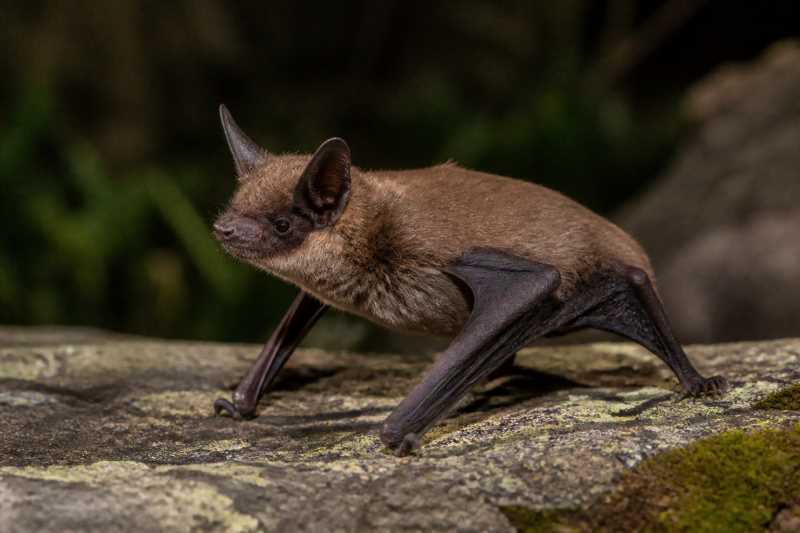
Schlieffen’s Serotine is a small bat with a body length ranging from 4 to 5 centimeters, excluding the tail, which adds an additional 3 to 4 centimeters. These bats typically weigh between 5 to 10 grams, making them lightweight and agile flyers.
The fur of Schlieffen’s Serotine is generally short and dense, with a color palette ranging from reddish-brown to dark brown, helping them blend seamlessly into their surroundings. Their underparts are usually lighter, presenting a contrast with their darker dorsal side.
One of the distinguishing features of Schlieffen’s Serotine is their broad, rounded ears, which aid in precise echolocation. Their wings are long and narrow, optimized for efficient, fast flying as they forage for insects.
Range and Habitat
Schlieffen’s Serotine has a widespread distribution across sub-Saharan Africa, inhabiting countries like South Africa, Kenya, Tanzania, and Uganda. These bats are highly adaptable and can thrive in diverse environments, ranging from savannas and open woodlands to urban areas.
They prefer habitats that provide ample roosting sites, such as tree crevices, caves, and even human-made structures. Urbanization has seen them occupy buildings and bridges, which offer warmth and protection. These bats are also found in agricultural landscapes, where they benefit from the abundance of insects.
Behavior and Diet
Schlieffen’s Serotine is primarily nocturnal, emerging at dusk to embark on foraging expeditions. Their echolocation calls are high-pitched and beyond the range of human hearing. These calls help them navigate and hunt in the dark, detecting and capturing insects with remarkable precision.
Their diet consists mainly of small insects, including moths, beetles, and mosquitoes, which they catch mid-flight. This insectivorous diet not only fulfills their nutritional needs but also aids in controlling insect populations, highlighting their ecological significance.
During the day, Schlieffen’s Serotines roost in groups, often with other bat species. These communal roosting habits provide warmth and protection, crucial for their survival during resting periods.
Identification Tips (Field Recognition Cues)
Identifying Schlieffen’s Serotine in the field requires attention to several key characteristics:
- Size and Weight: Look for a small bat with a body length of 4 to 5 centimeters and a weight of 5 to 10 grams.
- Fur Color: Note the reddish-brown to dark brown fur with lighter underparts.
- Ears: Observe their broad, rounded ears, a distinguishing feature of this species.
- Flight Pattern: Watch for their agile, swift flight as they hunt insects at dusk.
- Roosting Habits: Check common roosting sites like tree crevices and buildings, especially in urban areas.
Conservation Status (with Threats and Protections)
As of now, Schlieffen’s Serotine is classified as Least Concern by the International Union for Conservation of Nature (IUCN). This classification is due to their wide distribution and adaptability to various habitats, including urban environments.
However, certain threats persist, such as habitat destruction due to deforestation and urban development. Additionally, pesticide use in agriculture can reduce insect populations, impacting their food supply. Climate change also poses a potential threat by altering their habitats and food availability.
Conservation efforts focus on habitat protection and creating awareness about the ecological role of bats in pest control. Encouraging eco-friendly farming practices and preserving natural roosting sites are crucial for their continued survival.
Frequently Asked Questions
1. Why is Schlieffen’s Serotine important for the ecosystem?
Schlieffen’s Serotine plays a vital role in the ecosystem by controlling insect populations. Their diet consists primarily of insects, including pests like mosquitoes and beetles, which helps maintain ecological balance and reduces the spread of insect-borne diseases.
2. How do Schlieffen’s Serotines use echolocation?
Schlieffen’s Serotines use echolocation to navigate and hunt in the dark. They emit high-frequency sound waves that bounce off objects and return as echoes, allowing them to detect the size, shape, and distance of objects, including prey.
3. What are the main threats to Schlieffen’s Serotine?
The main threats to Schlieffen’s Serotine include habitat destruction due to deforestation and urbanization, pesticide use in agriculture, and climate change, which can alter their food supply and habitat.
4. Can Schlieffen’s Serotine adapt to urban environments?
Yes, Schlieffen’s Serotine is highly adaptable and can thrive in urban environments. They often roost in buildings and bridges, benefiting from the warmth and abundant food sources available in cities.
5. How can we support Schlieffen’s Serotine conservation?
Supporting Schlieffen’s Serotine conservation involves protecting their habitats, promoting eco-friendly agricultural practices, and raising awareness about their ecological importance. Encouraging the preservation of natural roosting sites and reducing pesticide use are also vital steps.
Related posts