Introduction
Merriam’s Long-tongued Bat, scientifically known as Glossophaga mutica, is a fascinating species of bat endemic to parts of Central and South America. Known for its elongated tongue, this bat species plays a crucial role in the pollination of various plants, making it an integral component of its ecosystem. Despite being lesser-known than other bat species, Glossophaga mutica contributes significantly to biodiversity and ecological balance.
Physical Description
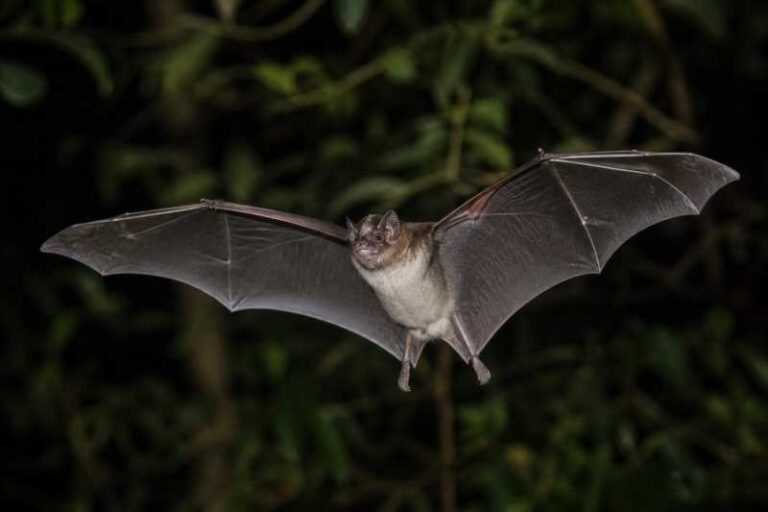
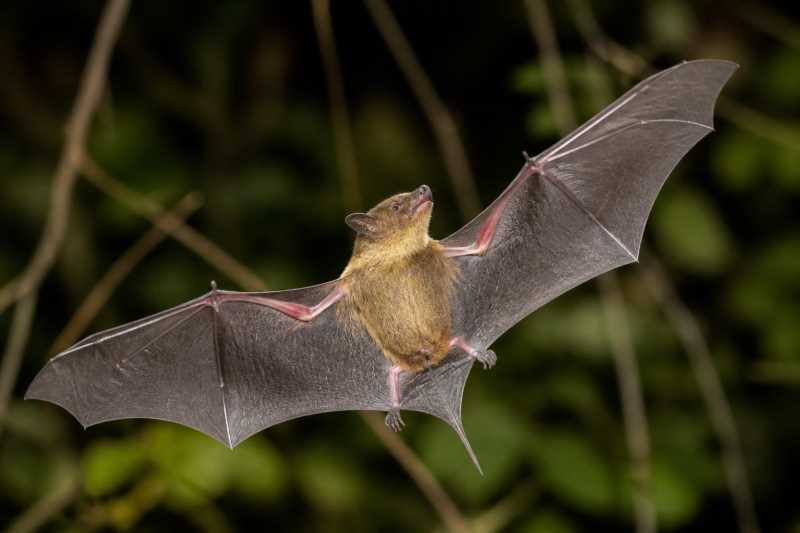
Merriam’s Long-tongued Bat is a small-sized bat characterized by its distinct physical features that enable it to thrive in its environment. Typically, these bats measure approximately 6.5 to 8.5 centimeters in body length, with a wingspan ranging from 18 to 22 centimeters. Their weight is relatively light, usually between 8 to 12 grams, which aids in their agile flight patterns.
The most distinguishing feature of Glossophaga mutica is its long, extendable tongue, which can stretch to about 1.5 times the length of its head. This adaptation is essential for feeding on the nectar of flowers, allowing the bat to reach deep into blossoms to access their sustenance. Their fur is generally a grayish-brown color, aiding in camouflage within their natural habitat. The ears are relatively large, providing acute hearing capabilities, while their nose-leaf structure assists in echolocation.
Range and Habitat
Glossophaga mutica can be found across a diverse range of habitats in Central and South America, predominantly in countries such as Mexico, Guatemala, Honduras, Nicaragua, and Costa Rica. These bats favor tropical and subtropical environments, thriving in lowland forests, dry forests, and even arid regions.
They are typically found roosting in caves, tree hollows, and abandoned buildings, often in large colonies that can comprise several hundred individuals. The selection of roosting sites is critical for thermoregulation and protection from predators, making the availability of suitable roosts a limiting factor in their distribution.
Behavior and Diet
Merriam’s Long-tongued Bat is primarily nocturnal, engaging in most of its activities during the night. Their diet is mainly nectarivorous, meaning they feed on the nectar of flowers. This diet necessitates their exceptional flying and hovering capabilities, similar to those of a hummingbird, allowing them to hover near flowers to access nectar efficiently.
In addition to nectar, they may also consume pollen and small insects, which provide essential proteins and nutrients. This feeding behavior is not only vital for their survival but also for the pollination of various plant species, making them key pollinators in their ecosystems.
Socially, Glossophaga mutica exhibits communal roosting behavior, with individuals often forming large colonies. This social structure aids in predator avoidance and enhances the efficiency of foraging through information sharing.
Identification Tips (Field Recognition Cues)
Identifying Merriam’s Long-tongued Bat in the field can be challenging due to their nocturnal nature and rapid flight. However, there are specific cues that can aid in their identification:
- Tongue Length: The exceptionally long tongue is a hallmark of this species, often visible when they are feeding on flowers.
- Flight Pattern: Their flight is characterized by quick, agile movements and hovering capabilities, similar to hummingbirds.
- Roosting Habits: Observing roosting sites such as caves and tree hollows may provide opportunities to spot these bats during the day.
- Echolocation Calls: Glossophaga mutica emits high-frequency echolocation calls, which can be detected using bat detectors.
Conservation Status (With Threats and Protections)
As of the latest assessments, Merriam’s Long-tongued Bat is classified as Least Concern on the IUCN Red List. However, like many bat species, they face several threats that could impact their populations.
Threats:
- Habitat Loss: Deforestation and land conversion for agriculture and urbanization are significant threats that reduce available roosting and foraging habitats.
- Pesticide Use: The use of pesticides can reduce insect populations and contaminate nectar sources, indirectly affecting these bats.
- Disturbance of Roosting Sites: Human activities that disturb roosting sites, such as cave tourism and development, can displace colonies.
Protections:
- Protected Areas: Many habitats within the range of Glossophaga mutica fall under protected areas, providing some level of habitat conservation.
- Conservation Programs: Initiatives aimed at conserving bat habitats and promoting bat-friendly practices help in sustaining their populations.
Frequently Asked Questions
What is the primary diet of Merriam’s Long-tongued Bat?
Merriam’s Long-tongued Bat primarily feeds on nectar from flowers. This species has evolved a long tongue to access nectar deep within blossoms. They also consume pollen and occasionally small insects for additional nutrients.
Where can Merriam’s Long-tongued Bat be found?
This bat is found in Central and South America, including countries like Mexico, Guatemala, Honduras, Nicaragua, and Costa Rica. They inhabit tropical and subtropical forests, as well as arid regions.
How does Merriam’s Long-tongued Bat contribute to the ecosystem?
As a key pollinator, Glossophaga mutica plays an essential role in the reproduction of various plant species. Their feeding behavior facilitates the transfer of pollen, aiding in plant biodiversity and ecosystem health.
What are the main threats to Merriam’s Long-tongued Bat?
The main threats include habitat loss due to deforestation, pesticide use affecting their food sources, and disturbance of their roosting sites by human activities.
How can I identify Merriam’s Long-tongued Bat in the wild?
Key identification cues include observing their long tongue, agile flight patterns, communal roosting habits, and high-frequency echolocation calls detectable with bat detectors.
Related posts