Introduction
The Mam Broad-clawed Shrew, scientifically known as Cryptotis mam, is a fascinating small mammal species that belongs to the Soricidae family. These enigmatic creatures are part of the broader group of shrews that are known for their insectivorous diet and unique adaptations. While they might not be as well-known as some other mammals, the Mam Broad-clawed Shrew plays a crucial role in the ecosystems they inhabit by controlling insect populations and serving as prey for larger predators.
Physical Description
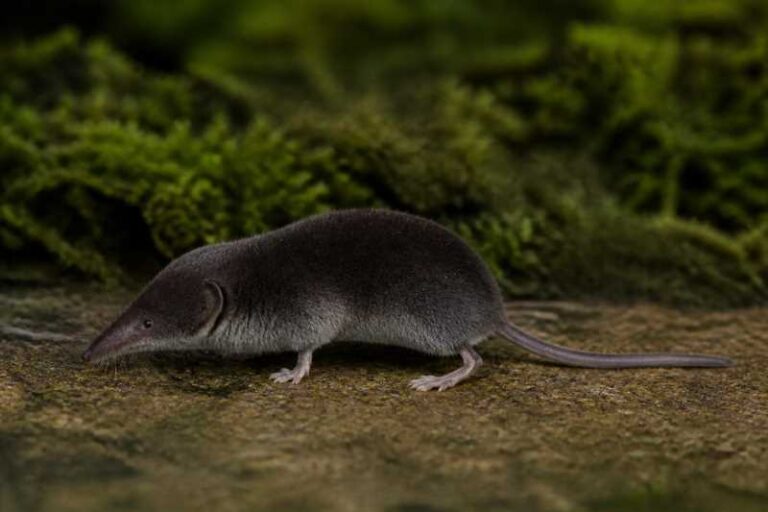
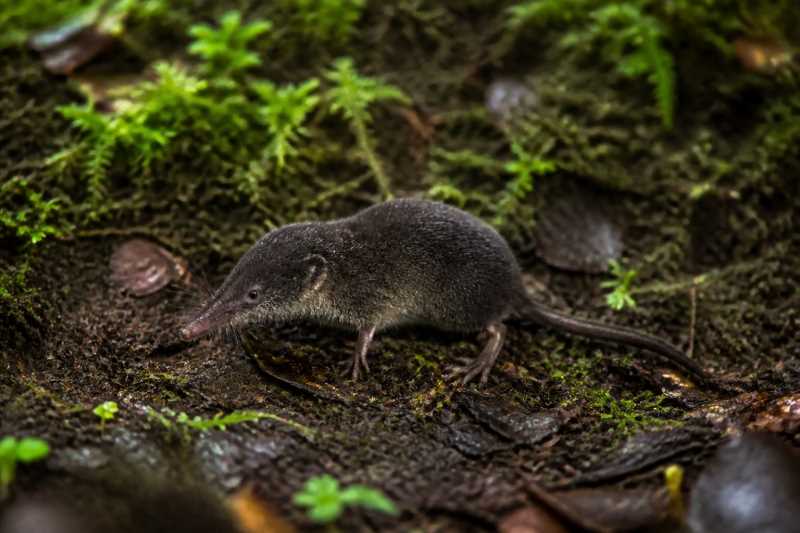
The Mam Broad-clawed Shrew is a diminutive mammal, typically measuring between 9 to 12 centimeters in total length, including the tail. They are characterized by their broad foreclaws which are particularly adapted for digging and foraging in the soil. Their fur is usually a dark brown or grayish hue, providing excellent camouflage in their natural habitat. The underbelly is slightly paler, helping them blend into the leaf litter and soil. Despite their small size, their sharp teeth and claws make them effective hunters of small invertebrates.
Range and Habitat
This species is primarily found in Central America, with its range extending through parts of southern Mexico and into Guatemala. The Mam Broad-clawed Shrew prefers moist environments, often inhabiting tropical forests, montane cloud forests, and occasionally venturing into shrublands. These habitats provide abundant food sources and ample hiding spots from predators. Due to their preference for specific environmental conditions, their distribution is somewhat limited, making their habitats critically important for their survival.
Behavior and Diet
Mam Broad-clawed Shrews are primarily nocturnal, which means they are most active during the night. They rely heavily on their keen sense of smell and touch to navigate and hunt in the dark. Their diet consists mainly of insects and other small invertebrates, including worms and arachnids. They have a high metabolism, which requires them to consume a significant amount of food relative to their body weight each day. This constant need for food drives their active lifestyle and foraging behavior.
Identification Tips (Field Recognition Cues)
Identifying the Mam Broad-clawed Shrew in the field can be challenging due to their small size and elusive nature. However, certain cues can aid in their identification:
- Size and Shape: Look for a small, mouse-sized mammal with a pointed snout.
- Claw Structure: Their distinctive broad foreclaws are a notable feature, aiding in digging activities.
- Fur Color: The dark brown to grayish fur with a paler underbelly is typical of this species.
- Behavior: They are often found burrowing in leaf litter or soil, particularly at night.
Conservation Status (with Threats and Protections)
The conservation status of the Mam Broad-clawed Shrew is currently classified as "Least Concern" by the International Union for Conservation of Nature (IUCN). However, like many species, they face threats from habitat destruction, primarily due to deforestation and land conversion for agriculture. Climate change also poses a potential risk by altering the habitats they depend on. Efforts to protect their natural environments are crucial for their continued survival. Conservation measures include protecting forested areas and promoting sustainable land use practices.
Frequently Asked Questions
1. What do Mam Broad-clawed Shrews eat? Mam Broad-clawed Shrews primarily feed on insects and small invertebrates. Their diet is mostly composed of worms, beetles, and arachnids, which they hunt using their keen senses.
2. Where can Mam Broad-clawed Shrews be found? These shrews are found in Central America, particularly in southern Mexico and Guatemala. They inhabit tropical and montane cloud forests where moisture and food are plentiful.
3. How do Mam Broad-clawed Shrews contribute to their ecosystem? Mam Broad-clawed Shrews play a vital role in their ecosystem by controlling insect populations. They also serve as prey for larger predators, thus contributing to the food web.
4. Are Mam Broad-clawed Shrews endangered? Currently, the Mam Broad-clawed Shrew is not considered endangered. However, they are vulnerable to habitat destruction and environmental changes, emphasizing the need for habitat conservation.
Related posts