Introduction
The Ucayali South American Spiny Mouse, scientifically known as Scolomys ucayalensis, is a remarkable yet relatively obscure species of rodent that inhabits the lush rainforests of South America. This species belongs to the family Cricetidae, which includes a diverse group of rodents commonly referred to as New World rats and mice. Named after the Ucayali River region in Peru, the Ucayali Spiny Mouse is an important component of its natural ecosystem, contributing to seed dispersal and serving as prey for a variety of predators.
Despite its ecological significance, the Ucayali South American Spiny Mouse remains poorly understood, with limited research conducted on its behavior, ecology, and population dynamics. This article seeks to provide a comprehensive overview of the species, delving into its physical characteristics, habitat preferences, behavioral patterns, and conservation status.
Physical Description
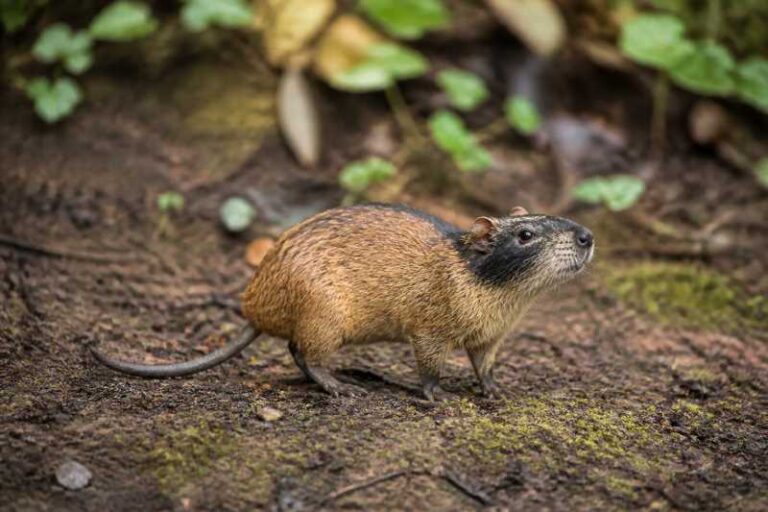
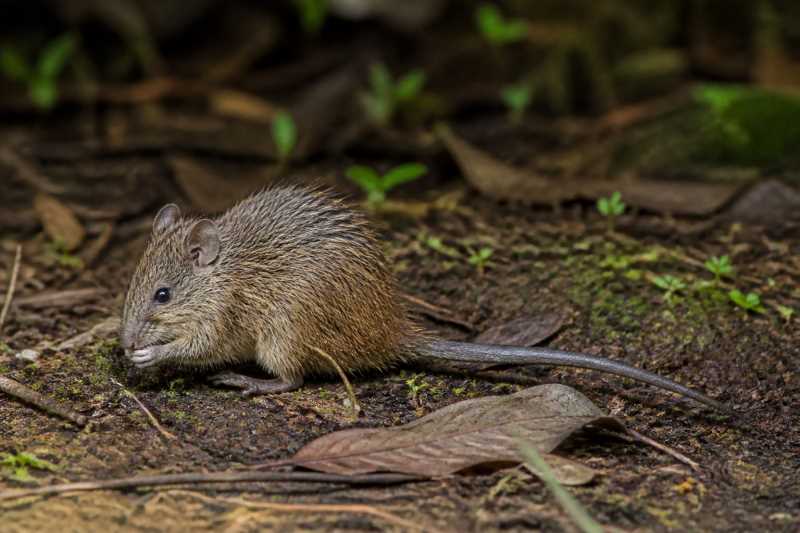
The Ucayali South American Spiny Mouse is a small rodent, distinguished by its somewhat unique spiny fur. Adult mice typically measure between 10 to 15 cm in body length, with a tail that can add an additional 8 to 12 cm. The spiny texture of their fur is due to specialized guard hairs that are longer and stiffer than the underfur. This feature is thought to provide some protection against predators and environmental elements.
The fur is generally a mix of brown and grey, providing effective camouflage against the forest floor. Their underbelly tends to be lighter, often showing shades of white or cream. The face is characterized by small, rounded ears and large, dark eyes that facilitate nocturnal activity. The tail is sparsely haired and serves as a balance aid when navigating the complex forest terrain.
Range and Habitat
Scolomys ucayalensis is primarily found in the tropical and subtropical forests of the Amazon Basin, with confirmed populations in Peru and possibly extending into neighboring regions of Brazil and Bolivia. These mice thrive in dense, humid environments where undergrowth and leaf litter provide ample cover and resources.
The species is known to prefer lowland forests and areas close to water sources, such as rivers and streams, which offer both food availability and a degree of protection from predators. The precise range of the Ucayali South American Spiny Mouse remains uncertain due to the inaccessibility of its habitat and the challenges of conducting field research in these remote areas.
Behavior and Diet
The Ucayali South American Spiny Mouse is primarily nocturnal, with activity patterns that adapt to the availability of food and environmental conditions. Being nocturnal allows it to avoid many daytime predators and exploit food resources with reduced competition.
The diet of Scolomys ucayalensis is omnivorous, consisting of seeds, fruits, insects, and small invertebrates. This dietary flexibility helps the species adapt to seasonal variations in food availability. The spiny mouse plays a crucial role in seed dispersal, as it often carries seeds away from the parent plant before consuming them, aiding in forest regeneration.
Social behavior in this species is not well-documented, but like many rodents, they are likely to exhibit some form of social structure, possibly living in small family groups or pairs. Vocalizations and scent markings are thought to play a role in communication, although further research is needed to understand these mechanisms fully.
Identification Tips
Identifying the Ucayali South American Spiny Mouse in the field can be challenging due to its elusive nature and the dense habitat it occupies. However, there are several key characteristics that can aid in recognition:
- Size and Shape: Look for a small rodent with a body length of 10 to 15 cm and a tail length of 8 to 12 cm.
- Fur Texture: The presence of spiny guard hairs mixed with softer underfur is a distinctive feature.
- Coloration: A general mix of grey and brown on the upper body with a lighter underbelly.
- Habitat: Typically found in lowland tropical forests near water sources.
- Behavior: Primarily nocturnal, so sightings are more likely at night.
Conservation Status
The conservation status of the Ucayali South American Spiny Mouse is currently listed as Data Deficient by the International Union for Conservation of Nature (IUCN). This designation highlights the lack of comprehensive data on the species’ population trends, distribution, and ecological requirements.
Potential threats to the species include habitat destruction due to logging, agriculture, and infrastructure development, which lead to fragmentation and degradation of its natural habitat. Additionally, climate change poses a long-term threat by altering the delicate balance of the rainforest ecosystems.
Protection efforts for the Ucayali South American Spiny Mouse are limited due to the scarcity of data. However, conservation strategies aimed at preserving tropical forest habitats and promoting sustainable land use practices could indirectly benefit this species. Further research is essential to assess the species’ conservation needs accurately and implement effective management plans.
Frequently Asked Questions
1. What is the Ucayali South American Spiny Mouse? The Ucayali South American Spiny Mouse (Scolomys ucayalensis) is a small rodent species found in the Amazon Basin, noted for its spiny fur and nocturnal habits.
2. Where can the Ucayali South American Spiny Mouse be found? This species inhabits the tropical and subtropical forests of Peru, with potential populations in Brazil and Bolivia, primarily in dense, humid, lowland forests.
3. What does the Ucayali South American Spiny Mouse eat? The diet is omnivorous, including seeds, fruits, insects, and small invertebrates, which allows it to adapt to varying food availability.
4. How can you identify the Ucayali South American Spiny Mouse? Look for a small rodent with spiny fur, a mix of grey and brown coloration, and a preference for nocturnal activity in dense forest habitats.
5. What threats does the Ucayali South American Spiny Mouse face? Habitat destruction due to logging and agriculture, along with climate change, pose significant threats to this species’ survival.
Related posts