Introduction
The Australian humpback dolphin (Sousa sahulensis) is a captivating marine mammal species that inhabits the coastal waters of northern Australia and parts of Papua New Guinea. Recognized as a distinct species in 2014, the Australian humpback dolphin has garnered significant interest from marine biologists and conservationists who are eager to understand and protect this unique cetacean. This article delves into the intricate details of the Australian humpback dolphin, providing insights into its physical attributes, habitat, behavior, and conservation status.
Physical Description
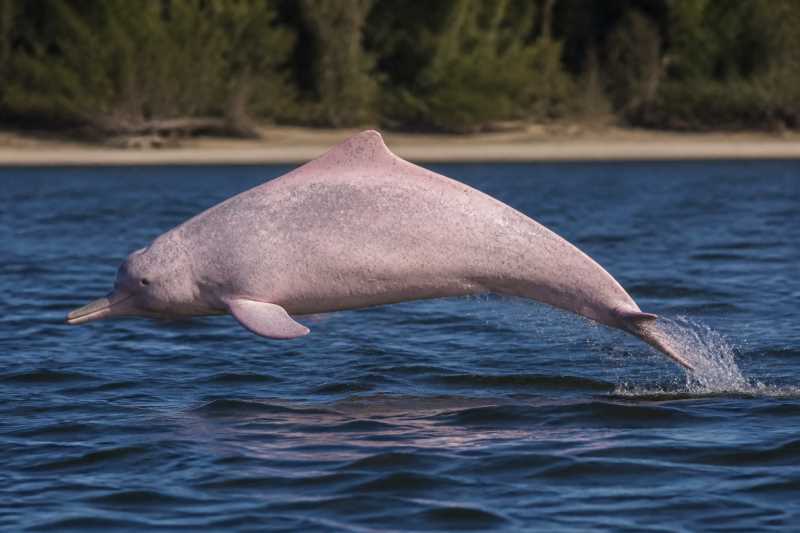
The Australian humpback dolphin is a medium-sized cetacean, typically measuring between 1.8 and 2.7 meters in length and weighing approximately 150 to 250 kilograms. As its name suggests, this dolphin is characterized by a distinctive hump beneath its dorsal fin, which is more pronounced in adults. The coloration of the Australian humpback dolphin is typically a blend of light gray to pinkish hues, with the dorsal fin and back often appearing darker.
A key feature of the Australian humpback dolphin is its long, slender rostrum, which is filled with numerous sharp teeth adapted for catching fish and other prey. Its flippers are relatively broad and rounded, aiding in maneuverability within its coastal habitat. The dolphin’s streamlined body is built for efficient swimming, allowing it to navigate through the tides and currents of its environment.
Range and Habitat
The Australian humpback dolphin is primarily found in the shallow, warm coastal waters of northern Australia, extending from the Pilbara region in Western Australia to the southern reaches of the Great Barrier Reef in Queensland. Its range also includes the coastal waters of Papua New Guinea, although sightings there are less frequent.
These dolphins prefer habitats that are close to shore, often inhabiting estuaries, bays, and the mouths of rivers. They are typically found in waters less than 20 meters deep, where they can find ample resources and protection from predators. The species’ preference for shallow waters makes it particularly vulnerable to human activities, such as coastal development and fishing operations.
Behavior and Diet
Australian humpback dolphins are social animals, often observed in small pods of two to ten individuals. They exhibit complex social behaviors, including acrobatic displays, vocalizations, and cooperative hunting strategies. These dolphins are known for their intelligence and curiosity, often approaching boats and interacting with humans in their vicinity.
The diet of the Australian humpback dolphin primarily consists of fish and cephalopods, such as squid and cuttlefish. They employ various hunting techniques, including herding and corralling prey into shallow waters where they can easily capture them. The dolphins’ sharp teeth and agile bodies make them effective predators within their coastal domain.
Identification Tips
Identifying the Australian humpback dolphin in the field requires keen observation of several key features:
- Humpback: Look for the pronounced hump located just in front of the dorsal fin, which is a distinctive characteristic of this species.
- Coloration: Note the light gray to pinkish coloration, with a darker dorsal fin and back.
- Rostrum: The long, slender rostrum is a significant identifier, distinguishing it from other dolphin species.
- Social Behavior: Observe the social dynamics within pods, including acrobatic displays and vocalizations.
Conservation Status
The Australian humpback dolphin is currently listed as "Near Threatened" on the IUCN Red List, reflecting concerns about its declining population due to various anthropogenic threats. Key threats include habitat loss from coastal development, entanglement in fishing gear, and pollution from agricultural and industrial runoff.
Conservation efforts are underway to mitigate these threats, with initiatives focusing on habitat protection, sustainable fishing practices, and public education campaigns. Marine protected areas have been established in some regions to safeguard critical habitats for the species, although enforcement and compliance remain challenging.
International cooperation is crucial for the conservation of the Australian humpback dolphin, as its range extends across national boundaries. Continued research and monitoring are essential to inform effective conservation strategies and ensure the long-term survival of this remarkable species.
Frequently Asked Questions
1. What is the Australian humpback dolphin’s scientific name?
The scientific name of the Australian humpback dolphin is Sousa sahulensis.
2. Where can I see Australian humpback dolphins in the wild?
Australian humpback dolphins are most commonly found in the coastal waters of northern Australia, particularly in regions such as the Pilbara, Kimberley, and the Great Barrier Reef.
3. How do Australian humpback dolphins communicate?
These dolphins communicate using a variety of vocalizations, including clicks, whistles, and pulsed calls, which they use for echolocation, social interaction, and coordination during hunting.
4. What conservation measures are in place to protect Australian humpback dolphins?
Conservation measures include the establishment of marine protected areas, regulations on fishing practices to reduce bycatch, and public awareness campaigns to minimize human impact on their habitats.
5. How does climate change affect Australian humpback dolphins?
Climate change poses a significant threat by altering the dolphins’ habitats and prey availability, increasing the frequency of extreme weather events, and contributing to sea level rise, which can impact coastal ecosystems.
Related posts