Introduction
The Sao Lourenço Punare, scientifically known as Thrichomys laurentius, is a fascinating rodent species native to Brazil. As a member of the Echimyidae family, this mammal is closely related to spiny rats and is known for its unique adaptations to its environment. This article delves into the various aspects of the Sao Lourenço Punare, including its physical characteristics, habitat preferences, behaviors, and conservation status. Our goal is to provide a comprehensive overview of this species, enhancing understanding and appreciation for its role in the ecosystem.
Physical Description
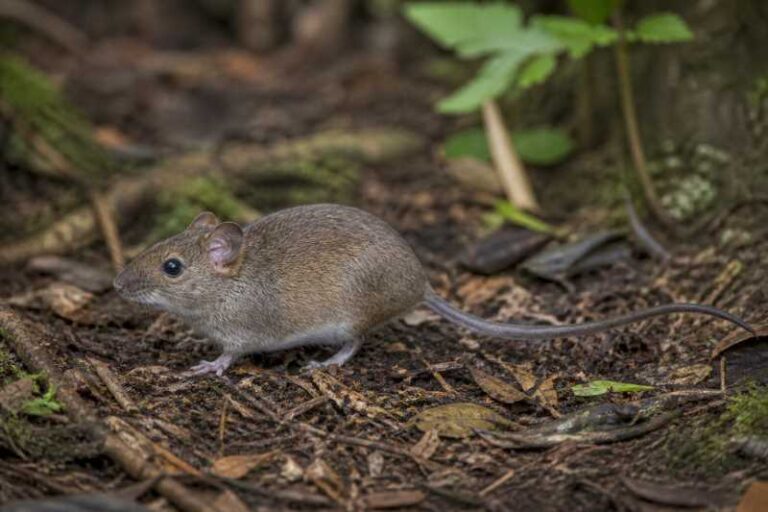
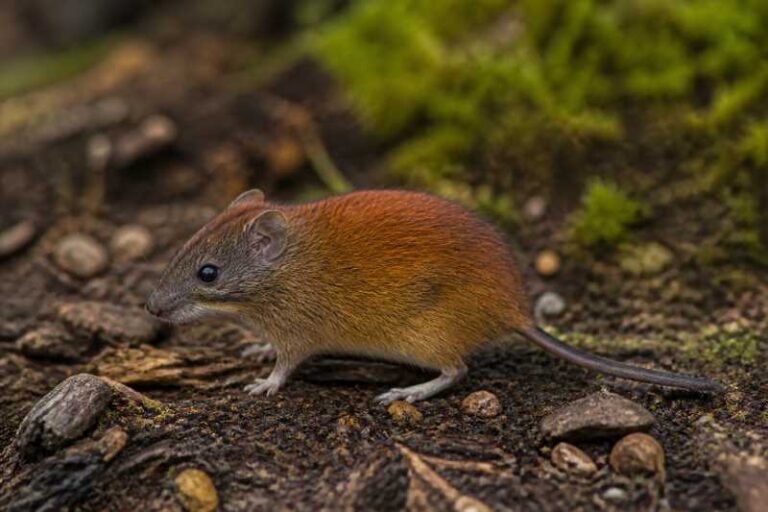
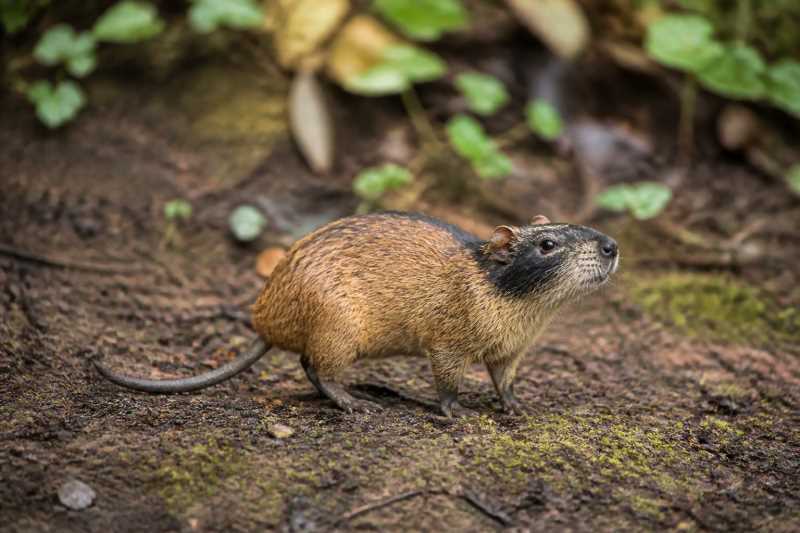
The Sao Lourenço Punare is a medium-sized rodent with a distinctive appearance that sets it apart from other members of the spiny rat family. Adults typically measure between 20 to 30 centimeters in body length, with a tail length that is roughly equivalent to their body, adding another 20 to 25 centimeters. One of the most striking features of Thrichomys laurentius is its dense, bristly fur, which serves as a protective mechanism against predators and harsh environmental conditions. This fur is typically a blend of gray and brown hues, providing excellent camouflage against the forest floor and rocky outcrops.
Their ears are relatively small and rounded, and they possess large, dark eyes that are adapted for low-light conditions, an essential trait for their crepuscular lifestyle. The Sao Lourenço Punare also has strong, sharp claws that are adept at digging and climbing, aiding in their foraging and nesting behaviors.
Range and Habitat
The Sao Lourenço Punare is endemic to Brazil, with its range primarily restricted to the northeastern regions, particularly in the states of Bahia and Pernambuco. These rodents are typically found in dry forest areas, scrublands, and savanna ecosystems, where they have adapted to survive in both semi-arid and humid environments.
The habitat of Thrichomys laurentius is characterized by a mix of rocky substrates, sparse vegetation, and occasional dense thickets. These environments are crucial for their survival, offering both food sources and protection from predators. The species is known to inhabit areas with a significant presence of cacti and thorny bushes, which provide both food and shelter.
Behavior and Diet
The Sao Lourenço Punare is primarily nocturnal, although it may exhibit crepuscular tendencies, being most active during the dawn and dusk hours. This behavior helps them avoid the extreme daytime temperatures typical of their native habitats. They are solitary creatures, marking their territories with scent markings and vocalizations to deter intruders.
The diet of Thrichomys laurentius is largely herbivorous, consisting of a variety of plant materials such as fruits, seeds, leaves, and stems. They have a particular fondness for cacti and other succulent plants, which provide essential hydration and nutrients. During the dry season, their diet may shift to include more fibrous plant materials, which are less abundant but still provide necessary sustenance.
Identification Tips
Recognizing the Sao Lourenço Punare in the wild requires a keen eye and an understanding of their distinctive features:
- Fur Texture and Color: Look for their bristly, spiny fur, which is a mix of gray and brown, allowing them to blend into their surroundings.
- Tail Length: Their tail is almost as long as their body, characterized by sparse hair and a noticeable tuft at the end.
- Ears and Eyes: They have small, rounded ears and large eyes, which are adapted for low-light visibility.
- Behavioral Patterns: Observing their activity during twilight hours can be a cue, as they are most active during these times.
- Habitat: They are typically found in dry, rocky, and scrubby areas within northeastern Brazil.
Conservation Status
The conservation status of the Sao Lourenço Punare is currently listed as Least Concern by the International Union for Conservation of Nature (IUCN). However, like many species, they face potential threats from habitat destruction and fragmentation. Human activities such as agriculture expansion, urban development, and deforestation pose significant risks to their natural habitats.
To mitigate these threats, protected areas have been established in parts of their range, and conservation efforts are focused on habitat preservation and restoration. Public education programs are also crucial in promoting awareness of the species and the importance of biodiversity.
Frequently Asked Questions
1. What is the average lifespan of the Sao Lourenço Punare?
The average lifespan of Thrichomys laurentius in the wild is estimated to be around 3 to 5 years. Factors such as predation, food availability, and environmental conditions can influence their longevity.
2. How does the Sao Lourenço Punare adapt to its environment?
The Sao Lourenço Punare has several adaptations, including its bristly fur for protection, sharp claws for climbing and digging, and a diet that includes moisture-rich plants like cacti to survive dry conditions.
3. Are Sao Lourenço Punare social animals?
No, they are generally solitary animals. They maintain territories and communicate through scent markings and vocalizations to keep other individuals at bay.
4. What are the main predators of the Sao Lourenço Punare?
Predators include birds of prey, snakes, and larger mammals. Their bristly fur provides some protection against these threats, allowing them to blend into their environment.
5. Is the Sao Lourenço Punare considered an endangered species?
Currently, the Sao Lourenço Punare is not considered endangered. It is listed as Least Concern, but ongoing habitat destruction could pose future risks.
Related posts