Introduction
The White-bellied Arboreal Rice Rat, scientifically known as Oecomys bicolor, is a fascinating species of rodent that belongs to the family Cricetidae. This small mammal is known for its unique arboreal lifestyle, predominantly dwelling in the forest canopy. Often overshadowed by its more famous rodent relatives, this species plays a crucial role in its ecosystem, contributing to seed dispersal and serving as prey for various predators. As deforestation and habitat loss continue to threaten many species in the Amazon and surrounding areas, understanding and conserving the White-bellied Arboreal Rice Rat is more important than ever.
Physical Description
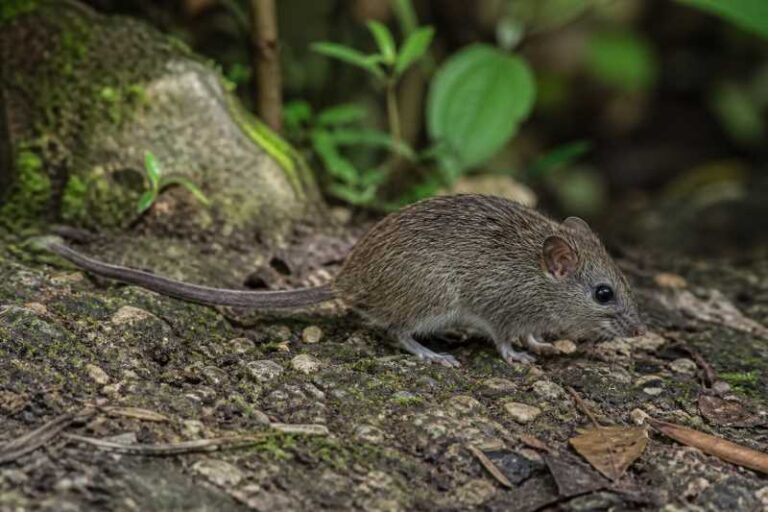
The White-bellied Arboreal Rice Rat is characterized by its relatively small size, with adults typically weighing between 30 to 60 grams and measuring 12 to 20 centimeters in body length, excluding the tail. The species’ most distinctive feature is its bicolor fur, which is darker on the upper side and white on the belly, hence its common name. The dorsal fur ranges from shades of brown to gray, providing an effective camouflage against the forest backdrop. Its tail, often longer than its body, is covered with sparse hair and is prehensile, aiding in balance and navigation through the trees. The rat’s large eyes and ears suggest a nocturnal lifestyle, adapted for nighttime foraging and predator evasion.
Range and Habitat
The White-bellied Arboreal Rice Rat is primarily found in the neotropical regions of Central and South America. Its range extends through countries such as Brazil, Peru, Ecuador, Colombia, and Venezuela. This species thrives in a variety of forested habitats, including lowland rainforests, secondary forests, and occasionally in areas of human disturbance where suitable vegetation remains. Its arboreal nature means it is often found in the canopy layer, rarely descending to the forest floor unless necessary. The dense, moist environments of these forests provide ample food sources and shelter, crucial for the survival of this arboreal species.
Behavior and Diet
The White-bellied Arboreal Rice Rat is primarily nocturnal and arboreal, spending most of its life in the trees. It is a solitary creature, with individuals only coming together for mating purposes. This species is omnivorous, with a diet that includes seeds, fruits, insects, and small invertebrates. Its role as a seed disperser is vital for the regeneration of forest ecosystems. The rat’s foraging activities primarily occur at night, taking advantage of the cooler temperatures and reduced predation risk. During the day, it rests in nests made of leaves and twigs, often constructed in tree hollows or dense foliage.
Identification Tips (Field Recognition Cues)
Identifying the White-bellied Arboreal Rice Rat in the field requires attention to several key characteristics:
- Size and Shape: Look for a small rodent with a body length of 12 to 20 centimeters and a long, slender tail.
- Coloration: Note the distinctive bicolor pattern—darker fur on the back and white on the belly.
- Habitat: Search in forested areas, especially in the canopy and dense thickets.
- Behavior: Observe nocturnal activity and arboreal movements.
- Vocalizations: Listen for soft, high-pitched squeaks during nighttime foraging.
Conservation Status (with threats and protections)
The conservation status of the White-bellied Arboreal Rice Rat is currently listed as Least Concern by the International Union for Conservation of Nature (IUCN). However, this does not mean the species is free from threats. Habitat loss due to deforestation, agricultural expansion, and urbanization poses significant risks. Climate change also threatens to alter the delicate balance of their forest habitats. While there are no specific conservation programs targeting the White-bellied Arboreal Rice Rat, preserving its habitat through the protection of rainforests and sustainable land use practices is crucial for its survival.
Frequently Asked Questions
What is the natural habitat of the White-bellied Arboreal Rice Rat?
The natural habitat of the White-bellied Arboreal Rice Rat includes lowland rainforests and secondary forests in Central and South America, where it lives primarily in the canopy.
How does the White-bellied Arboreal Rice Rat contribute to its ecosystem?
The White-bellied Arboreal Rice Rat plays a key role in seed dispersal, contributing to forest regeneration and serving as prey for a variety of forest predators.
What threats does the White-bellied Arboreal Rice Rat face?
The main threats to the White-bellied Arboreal Rice Rat include habitat loss due to deforestation, agricultural development, and climate change impacts.
How can we help conserve the White-bellied Arboreal Rice Rat?
Conserving the White-bellied Arboreal Rice Rat involves protecting its forest habitat, promoting sustainable land use, and supporting conservation initiatives focused on rainforests.
Related posts