Trowbridge’s Shrew: A Comprehensive Guide
Introduction
Trowbridge’s Shrew (Sorex trowbridgii) is a fascinating small mammal belonging to the family Soricidae. Named after the renowned American naturalist, John Trowbridge, this shrew species is native to the western United States. Despite its small size, Trowbridge’s Shrew plays a significant role in its ecosystem, particularly in controlling insect populations. This article provides an in-depth exploration of Trowbridge’s Shrew, covering its physical characteristics, habitat, behavior, diet, and conservation status.
Physical Description
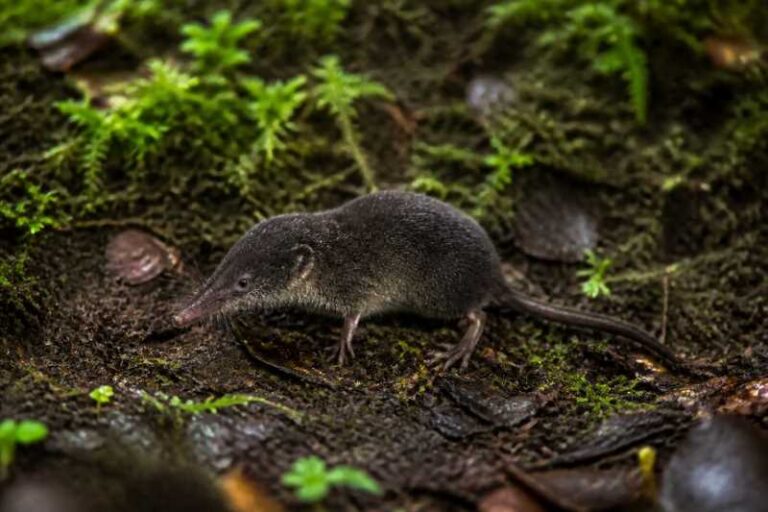
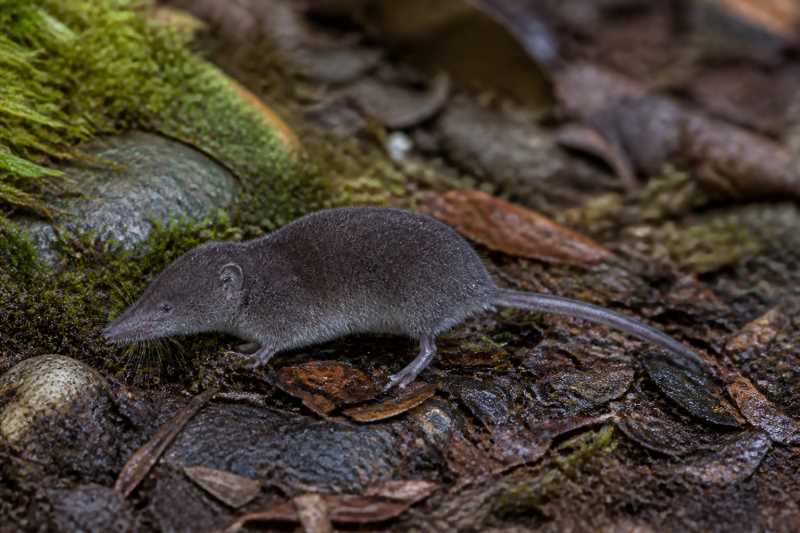
Trowbridge’s Shrew is a small, insectivorous mammal, typically measuring between 100 to 130 millimeters in total length, including its tail. The body size ranges from 60 to 80 millimeters, with the tail adding another 40 to 50 millimeters. The average weight of a Trowbridge’s Shrew is between 5 to 10 grams, making it one of the lighter members of the shrew family.
The fur of Trowbridge’s Shrew is dense and velvety, which provides insulation and protection. The dorsal side is usually a dark brown or gray, while the ventral side tends to be lighter, often pale gray or whitish. This coloration offers camouflage in their natural habitat. The snout is elongated and pointed, a characteristic feature of shrews, and it houses long whiskers that are highly sensitive to touch and help in navigating through their environment.
The eyes of Trowbridge’s Shrew are relatively small, reflecting their limited reliance on vision. Instead, they rely heavily on their acute sense of smell and touch to locate food and navigate their surroundings. Their ears are small and often concealed within their fur.
Range and Habitat
Trowbridge’s Shrew is primarily found along the western coast of the United States, ranging from California up to Washington state. They are also present in parts of Oregon and Nevada. The species thrives in a variety of habitats, including coniferous forests, deciduous woodlands, grasslands, and even suburban areas, provided there is sufficient ground cover and moisture.
These shrews prefer habitats with ample leaf litter and underbrush, which provide hiding spots from predators and support a healthy population of insects, their primary food source. They are often found near streams and wetlands, where the soil is moist and rich in invertebrates.
Behavior and Diet
Trowbridge’s Shrew is primarily nocturnal, with peak activity occurring during the night. However, they can also be active during the day, especially in cooler climates or during the breeding season. They are solitary animals, with each shrew maintaining its own territory, which they defend aggressively against intruders.
The diet of Trowbridge’s Shrew consists mainly of insects and other small invertebrates, such as worms and spiders. They are voracious eaters, consuming up to three times their body weight in food each day. Their high metabolic rate requires them to feed frequently, and they are known to forage continuously, using their keen sense of smell to locate prey under leaf litter and soil.
Identification Tips (Field Recognition Cues)
Recognizing Trowbridge’s Shrew in the wild can be challenging due to their elusive nature and small size. However, several characteristics can aid in identification:
- Size and Shape: Look for a small, slender body with a long, pointed snout.
- Fur Color: Dark brown to grayish dorsal fur with lighter underparts.
- Tail: Relatively long and covered in short hair, sometimes with a bicolored appearance.
- Behavior: Active foraging behavior, often seen scurrying quickly through leaf litter.
- Habitat: Found in moist environments with dense ground cover.
Conservation Status (With Threats and Protections)
As of the latest assessments, Trowbridge’s Shrew is classified as a species of Least Concern by the International Union for Conservation of Nature (IUCN). This classification is due to its relatively wide distribution and presumed large population.
However, Trowbridge’s Shrew faces several threats that could impact its populations in the future. Habitat destruction, particularly due to urban development and deforestation, poses a significant risk. Additionally, climate change may alter their habitats and food availability.
Conservation efforts focus on habitat preservation and management. Protecting areas of natural forest and wetland habitats is crucial for maintaining stable populations of Trowbridge’s Shrew. Further research and monitoring are needed to better understand population trends and the impacts of environmental changes.
Frequently Asked Questions
What does Trowbridge’s Shrew eat?
Trowbridge’s Shrew primarily feeds on insects and other small invertebrates such as worms and spiders. Due to their high metabolism, they must eat frequently to sustain their energy levels.
Where can Trowbridge’s Shrew be found?
This species can be found along the western coast of the United States, particularly in California, Oregon, Washington, and parts of Nevada. They inhabit moist environments like forests and grasslands.
How can you identify Trowbridge’s Shrew in the wild?
Identifying Trowbridge’s Shrew involves looking for their small size, long pointed snout, dark brown to gray fur with lighter underparts, and their active foraging behavior in moist, dense habitats.
Is Trowbridge’s Shrew endangered?
Currently, Trowbridge’s Shrew is not considered endangered and is classified as a species of Least Concern. However, habitat destruction and environmental changes pose potential threats.
What role does Trowbridge’s Shrew play in the ecosystem?
Trowbridge’s Shrew plays a crucial role in maintaining the balance of its ecosystem by controlling insect populations and serving as prey for larger predators.
Related posts