Introduction
The Jalisco Shrew, scientifically known as Sorex mediopua, is a lesser-known mammal species that inhabits the western region of Mexico. This intriguing creature belongs to the Soricidae family, which includes small, insectivorous mammals commonly known as shrews. Despite its elusive nature, the Jalisco Shrew plays a significant role in its ecosystem as a predator of insects and other small invertebrates. This article delves into the physical characteristics, habitat, behavior, and conservation status of the Jalisco Shrew, providing a comprehensive understanding of this unique species.
Physical Description
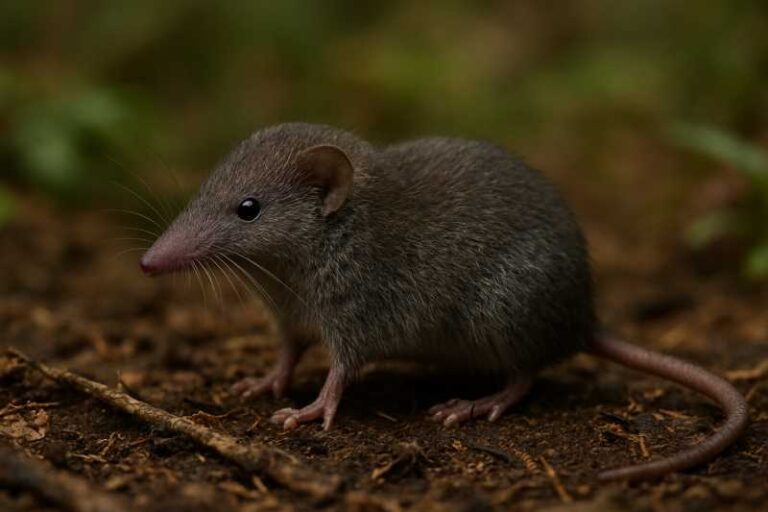
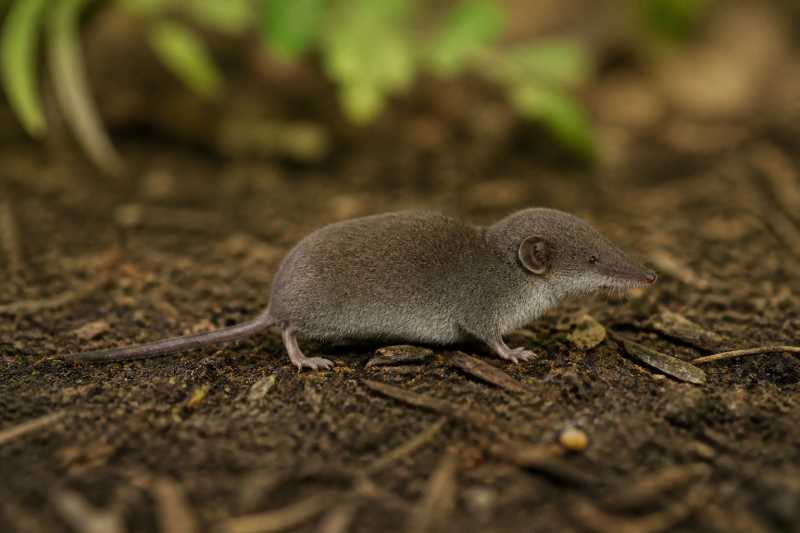
The Jalisco Shrew is a small mammal, typically measuring between 3 to 5 inches in length, including its tail. It is characterized by its elongated snout, which is a common feature among shrews, and is adapted for probing into soil and leaf litter in search of prey. The body is covered with dense, velvety fur that ranges in color from dark gray to brown, providing excellent camouflage against the forest floor.
The shrew’s eyes are small and its ears are nearly hidden under its fur, adaptations that are indicative of its subterranean lifestyle. The Jalisco Shrew’s limbs are short but strong, with clawed digits that assist in digging and maneuvering through its habitat. Its teeth are sharp and specialized for its insectivorous diet, featuring a high-crowned, pointed structure that is effective for capturing and consuming a variety of prey.
Range and Habitat
The Jalisco Shrew is endemic to Mexico, primarily found in the state of Jalisco. Its range extends into adjacent regions, but sightings outside of Jalisco are rare. This species inhabits montane forests, thriving in moist environments with abundant leaf litter and a rich supply of invertebrates.
These shrews prefer habitats with dense ground cover that offers protection from predators and harsh weather conditions. Elevations ranging from 1,000 to 2,500 meters are typical of their preferred environments, where they can find ample food resources and suitable conditions for nesting and foraging.
Behavior and Diet
The Jalisco Shrew is a solitary animal, with individuals typically coming together only during the breeding season. It is primarily nocturnal, spending its nights actively foraging for food. Its diet consists mainly of insects, spiders, and other small invertebrates, which it hunts using its keen sense of smell and touch.
These shrews are known for their high metabolic rate, necessitating frequent feeding. Consequently, they spend a significant portion of their time searching for food and can consume nearly their body weight in prey each day. The Jalisco Shrew’s foraging activity contributes to controlling insect populations, making it an important component of its ecosystem.
Identification Tips (Field Recognition Cues)
Spotting a Jalisco Shrew in the wild can be challenging due to its small size and secretive nature. However, there are several field identification tips that can aid in recognizing this species:
- Size and Shape: Look for a small, mouse-sized mammal with an elongated snout and a long tail.
- Fur Color: Observe the coloration of the fur, which should be dark gray to brown and appear velvety.
- Behavior: Watch for rapid, jerky movements typical of shrews when they are foraging or moving through leaf litter.
- Habitat: Focus on areas with dense ground cover and rich leaf litter in montane forests.
Conservation Status (With Threats and Protections)
The Jalisco Shrew is currently listed as a species of Least Concern by the International Union for Conservation of Nature (IUCN). Despite this classification, the species faces several threats that could impact its population in the future. Habitat destruction due to agricultural expansion and deforestation poses the most significant threat to the Jalisco Shrew, leading to the fragmentation of its habitat and loss of suitable living conditions.
Conservation efforts are vital to ensure the survival of the Jalisco Shrew, and protections are in place within various reserves and protected areas in Mexico. These efforts focus on preserving the natural habitats that are crucial for the shrew’s survival and maintaining the ecological balance within these ecosystems.
Frequently Asked Questions
Why is this species unique?
The Jalisco Shrew is unique due to its restricted range, being endemic to a specific region in Mexico. Its specialized adaptations for an insectivorous diet and nocturnal lifestyle make it an intriguing subject for study in terms of evolutionary biology and ecological impact.
How does the Jalisco Shrew contribute to its ecosystem?
As an insectivore, the Jalisco Shrew plays a critical role in controlling insect populations, thus helping to maintain a balanced ecosystem. Its foraging activities also contribute to soil aeration and nutrient cycling.
What are the main threats to the Jalisco Shrew?
The primary threats to the Jalisco Shrew include habitat destruction from agricultural and developmental activities. Deforestation and habitat fragmentation are significant concerns, impacting the availability of suitable living spaces for the species.
Are there any conservation efforts in place for this species?
Yes, conservation efforts include habitat protection within reserves and national parks in Mexico. These measures aim to preserve the natural environments that are essential for the survival of the Jalisco Shrew.
How can I help in the conservation of the Jalisco Shrew?
Individuals can contribute to the conservation of the Jalisco Shrew by supporting local and international conservation organizations, promoting habitat protection initiatives, and raising awareness about the importance of biodiversity and ecosystem preservation.
Related posts