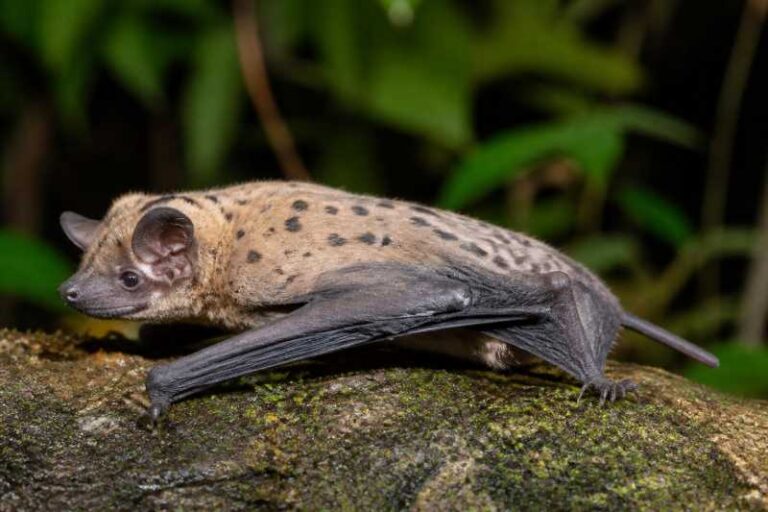
Echigo Mole (Mogera etigo)
Introduction
The Echigo mole, scientifically known as Mogera etigo, is an intriguing species of mammal that belongs to the family Talpidae. Found predominantly in specific regions of Japan, this mole species has adapted remarkably to its subterranean lifestyle. Known for their fascinating behaviors and specialized adaptations, Echigo moles play a crucial role in the ecosystem by aerating the soil and controlling insect populations. This article delves into the various aspects of the Echigo mole, from its physical characteristics to its conservation status, offering a comprehensive overview of this lesser-known yet vital species.
Physical Description
The Echigo mole exhibits several physical traits that are quintessential to its life underground. Typically, these moles have a compact and cylindrical body, with an average length ranging from 12 to 15 centimeters. Their weight varies between 60 and 100 grams, depending largely on the availability of food and environmental conditions.
One of the most distinguishing features of the Echigo mole is its velvety fur, which is generally dark grey or black. This fur is not only soft to touch but also highly functional, allowing the mole to move backward through its burrows without obstruction. The fur’s texture minimizes friction and aids in quick maneuverability underground.
The Echigo mole is equipped with powerful forelimbs that are well-adapted for digging. These limbs are short but muscular, ending in large, spade-like claws that enable the mole to excavate soil efficiently. The hindlimbs are comparatively smaller and less robust. Additionally, the Echigo mole has a pointed snout and small eyes poorly suited for vision, as eyesight is not crucial for a subterranean lifestyle.
Range and Habitat
Geographically, the Echigo mole is endemic to Japan, with its presence primarily recorded in the Echigo Province, which is part of modern-day Niigata Prefecture. This region provides the ideal conditions for the species, characterized by its fertile soil and temperate climate.
The preferred habitat of the Echigo mole consists of moist and loose soils found in grasslands, forests, and agricultural fields. These environments offer abundant food resources and soft soil, which is easier to excavate for constructing tunnels. The tunnels serve as protection against predators and extreme weather conditions.
Behavior and Diet
Echigo moles are solitary creatures, spending most of their lives in isolation within their intricate tunnel systems. These tunnels can extend over a large area, with separate chambers designated for nesting and food storage. Moles are primarily active at dawn and dusk, engaging in foraging and maintenance of their burrows.
The diet of the Echigo mole largely consists of earthworms, insects, and other invertebrates. They utilize their acute sense of touch and smell to detect prey within the soil. Their metabolic rate is high, necessitating a constant intake of food to sustain energy levels.
Identification Tips (Field Recognition Cues)
Identifying the Echigo mole in the wild can be challenging due to its reclusive nature. However, there are some field recognition cues that can aid in their identification:
- Molehills: Look for fresh mounds of earth, which are the result of digging activity.
- Burrow Entrances: Small, round holes on the ground surface may indicate active burrows.
- Active Times: Early morning and late evening are the peak activity periods for these moles.
- Habitat Preference: Focus on areas with loose, moist soil, which are preferred by Echigo moles.
Conservation Status
The conservation status of the Echigo mole is currently listed as "Data Deficient" by the International Union for Conservation of Nature (IUCN). This classification indicates a lack of sufficient data to make a direct or indirect assessment of its risk of extinction.
Threats
The primary threats to the Echigo mole include habitat loss due to agricultural expansion and urban development. These activities lead to the fragmentation of habitats, reducing the availability of suitable environments for the moles. Additionally, the use of pesticides in agriculture can pose a threat by contaminating food sources.
Protections
Efforts to protect the Echigo mole focus on habitat conservation and the promotion of sustainable agricultural practices. Protected areas and wildlife reserves in Japan offer some refuge for these moles by preserving natural habitats.
Frequently Asked Questions
1. What is the Echigo mole’s role in the ecosystem?
Echigo moles contribute significantly to soil health by aerating the ground through their digging activities. This behavior helps in nutrient cycling and supports plant growth, thereby maintaining ecological balance.
2. How does the Echigo mole adapt to its underground lifestyle?
The Echigo mole has several adaptations for subterranean living, including powerful forelimbs for digging, reduced eyesight, and a keen sense of smell to locate prey.
3. Are Echigo moles endangered?
Currently, the Echigo mole is classified as "Data Deficient" by the IUCN, indicating that more research is needed to determine its exact conservation status.
4. What do Echigo moles eat?
Their diet mainly includes earthworms, insects, and other invertebrates found within the soil.
5. Where can Echigo moles be found?
Echigo moles are endemic to the Echigo Province in Japan, now part of Niigata Prefecture.
Related posts