Introduction
Krebs’s Fat Mouse (Steatomys krebsii) is a fascinating rodent species that belongs to the family Nesomyidae. Known for its distinctive appearance and unique adaptations, this small mammal is native to parts of southern Africa. It plays a crucial role in its ecosystem, contributing to seed dispersion and serving as prey for a variety of predators. Despite its importance, Krebs’s Fat Mouse is relatively understudied, making it an intriguing subject for researchers and wildlife enthusiasts alike.
Physical Description
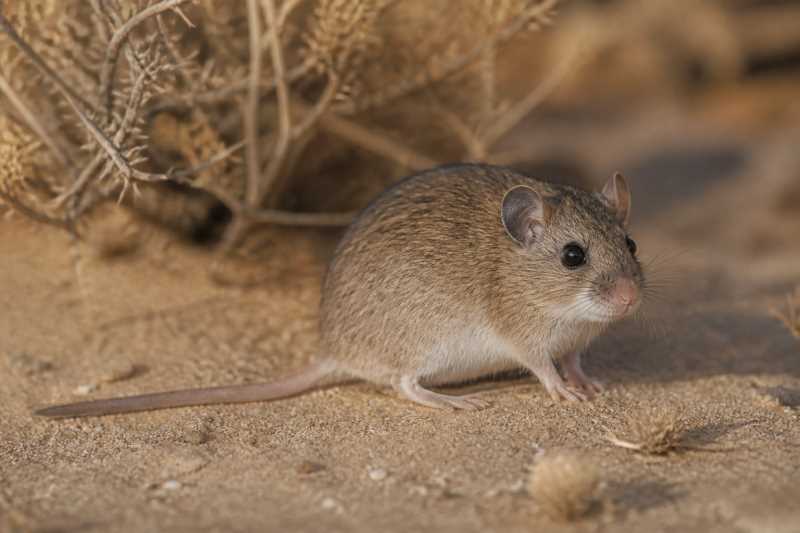
Krebs’s Fat Mouse is characterized by its compact size and distinctive physical features. Adults typically measure between 8 to 13 cm in length, excluding the tail, which adds an additional 4 to 7 cm. Weighing around 30 to 60 grams, this species is aptly named for its plump appearance, a result of its adaptation to storing fat. Its fur is soft and dense, usually exhibiting a grayish-brown hue on the dorsal side, with a lighter, almost white underside. The ears are small and rounded, while the eyes are large and prominent, aiding in nocturnal activities. Its short legs and stocky build are well-suited for digging and maneuvering through its habitat.
Range and Habitat
Krebs’s Fat Mouse is primarily found in the savannas and semi-arid regions of southern Africa, including countries like Zimbabwe, Botswana, and parts of South Africa. The species is well-adapted to a range of habitats, from open grasslands to bushveld areas. It prefers environments where it can easily dig burrows, which serve as both protection from predators and a refuge from extreme weather conditions. These burrows are often located near food sources, allowing the mice to minimize exposure to potential threats.
Behavior and Diet
Krebs’s Fat Mouse is a nocturnal creature, most active during dusk and dawn. This behavior helps it avoid the midday heat and many diurnal predators. Social structures are loosely organized, with individuals often seen foraging alone or in small groups. Communication is primarily through scent markings and vocalizations.
The diet of Krebs’s Fat Mouse is omnivorous, consisting of seeds, nuts, insects, and occasionally small fruits. Its ability to store fat is a crucial adaptation for surviving periods when food is scarce. This species plays a vital ecological role by aiding in seed dispersal and controlling insect populations.
Identification Tips (Field Recognition Cues)
To identify Krebs’s Fat Mouse in the field, observers should look for the following characteristics:
- Size and Shape: A small, round body with a proportionately short tail.
- Fur Coloration: Grayish-brown dorsal fur with a lighter underside.
- Behavior: Nocturnal activity patterns, often spotted during early morning or late evening.
- Habitat: Presence in savanna or semi-arid regions, often near burrows or dense vegetation.
Conservation Status (With Threats and Protections)
Currently, Krebs’s Fat Mouse is not listed as endangered or vulnerable by the IUCN. However, like many small mammals, it faces threats from habitat destruction due to agricultural expansion and urbanization. Increased human activity can lead to habitat fragmentation, reducing the availability of suitable living spaces.
Conservation efforts are essential to ensure the stability of their populations. Protecting natural habitats and promoting sustainable land use practices are critical. Additionally, further research is needed to better understand their ecological needs and population dynamics.
Frequently Asked Questions
What is the preferred habitat of Krebs’s Fat Mouse?
Krebs’s Fat Mouse thrives in savanna and semi-arid regions, often residing in burrows within grasslands or bushveld areas.
How does Krebs’s Fat Mouse contribute to its ecosystem?
This species aids in seed dispersal and insect population control, playing a vital role in maintaining ecological balance.
What are the main threats to Krebs’s Fat Mouse?
Habitat destruction and fragmentation due to human activities like agriculture and urbanization pose significant threats.
How can you differentiate Krebs’s Fat Mouse from other rodents?
Key features include its plump body, short tail, and distinctive gray-brown fur, along with nocturnal activity patterns.
Are there any conservation measures in place for this species?
While not currently endangered, promoting habitat conservation and sustainable practices are vital for their protection.
Related posts