Introduction
Trevor’s Free-tailed Bat, scientifically known as Mops trevori, is a fascinating and lesser-known species of bat that belongs to the family Molossidae. This species, like other free-tailed bats, is characterized by its distinctive tail that extends beyond the tail membrane, giving it a unique appearance. Trevor’s Free-tailed Bat is named in honor of the renowned zoologist Trevor Carnaby, who contributed significantly to the study of African mammals.
Bats, in general, are crucial to ecosystems worldwide due to their roles in pollination, seed dispersal, and insect population control. Trevor’s Free-tailed Bat is no exception, and understanding its biology and ecology is essential for conservation efforts. This article delves into various aspects of Mops trevori, providing insights into its physical characteristics, habitat, behavior, and conservation status.
Physical Description
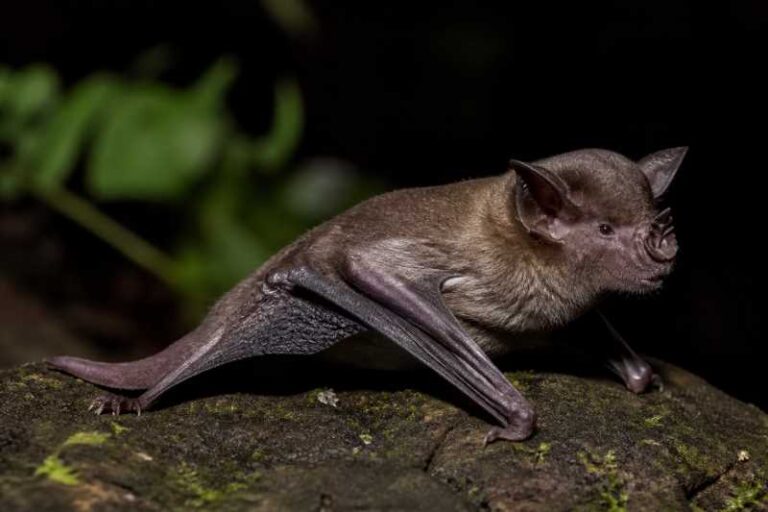
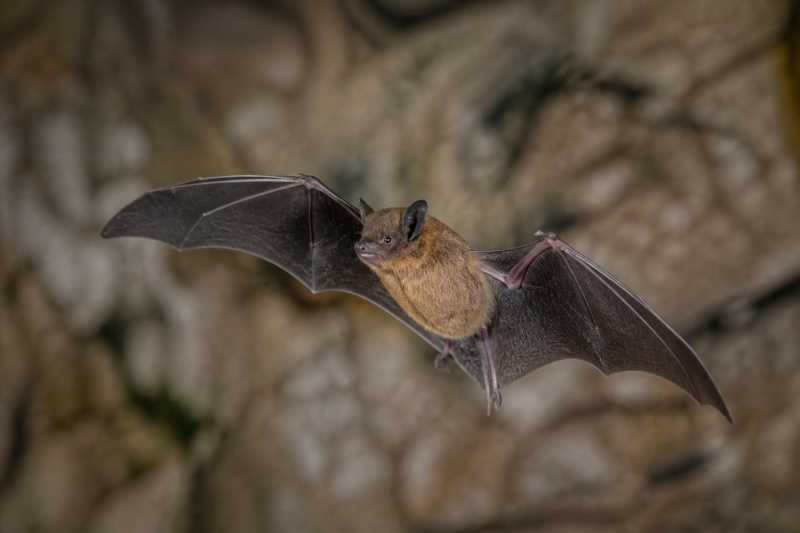
Trevor’s Free-tailed Bat is a medium-sized bat, with a wingspan ranging from 30 to 35 centimeters. Its body length typically measures between 10 to 12 centimeters, making it an agile flyer. The bat’s fur is generally short, dense, and varies in color from dark brown to black, providing effective camouflage in its natural habitat.
One of the most distinctive features of Mops trevori is its tail, which protrudes beyond the uropatagium, the membrane that stretches between the bat’s legs. This feature is common among free-tailed bats and is a key identification trait. The face of Trevor’s Free-tailed Bat is relatively flat, with large, forward-facing ears that aid in echolocation, a vital sensory mechanism for navigating and hunting in the dark.
Range and Habitat
Mops trevori is predominantly found in sub-Saharan Africa, with its range stretching across several countries, including Ghana, Nigeria, and Cameroon. This bat species prefers tropical and subtropical climates, often inhabiting savannas, woodlands, and forest edges. It is not uncommon to find Trevor’s Free-tailed Bats roosting in rocky crevices, caves, and occasionally in man-made structures such as buildings and bridges.
The habitat preference of Trevor’s Free-tailed Bat is closely linked to its feeding habits and roosting requirements. The presence of suitable roosting sites and abundant insect prey are critical factors that determine the distribution of this species. As such, habitat degradation and deforestation pose significant threats to its survival.
Behavior and Diet
Trevor’s Free-tailed Bat is primarily nocturnal, emerging from its roost at dusk to forage for food. Its diet predominantly consists of insects, which it captures in flight using its adept aerial maneuvering skills. The bat’s large, forward-facing ears and sophisticated echolocation capabilities enable it to detect and track insects in complete darkness.
Social behavior in Mops trevori is typical of many bat species, with individuals often forming small to medium-sized colonies. These colonies provide numerous benefits, including increased protection from predators and enhanced thermoregulation. Communication within colonies is facilitated through a range of vocalizations and physical interactions.
Identification Tips (Field Recognition Cues)
Identifying Trevor’s Free-tailed Bat in the field can be challenging due to its nocturnal habits and the presence of several similar species within its range. However, certain characteristics can aid in field identification:
- Tail Structure: The most distinctive feature is the tail, which extends beyond the uropatagium, a trait characteristic of all free-tailed bats.
- Echolocation Calls: The echolocation calls of Mops trevori are unique and can be differentiated from other species using bat detectors.
- Size and Fur Color: Its medium size and dark brown to black fur are helpful identifiers, although these features can vary among individuals.
- Roosting Habits: Observing roosting sites such as caves, rocky crevices, and man-made structures can provide clues to its presence.
Conservation Status (With Threats and Protections)
The conservation status of Trevor’s Free-tailed Bat is currently assessed as "Data Deficient" by the International Union for Conservation of Nature (IUCN). This classification highlights the lack of comprehensive data on its population trends, distribution, and ecological requirements.
Several threats impact the survival of Mops trevori, including habitat destruction due to deforestation, agricultural expansion, and urban development. Additionally, the use of pesticides in agricultural practices can reduce insect populations, thereby limiting food availability for these insectivorous bats.
Conservation efforts for Trevor’s Free-tailed Bat should focus on habitat preservation, particularly in regions where deforestation and land conversion are prevalent. Establishing protected areas and promoting sustainable land-use practices are vital to ensuring the long-term survival of this species.
Frequently Asked Questions
Why is this species unique?
Trevor’s Free-tailed Bat is unique due to its distinct tail structure, which extends beyond the tail membrane, a feature characteristic of free-tailed bats. This adaptation, along with its specialized echolocation abilities, makes it a highly efficient insect predator.
What role does Mops trevori play in the ecosystem?
Mops trevori plays a crucial role in its ecosystem by controlling insect populations, thereby contributing to the balance of local ecosystems. Its feeding activities help regulate pest numbers, which can benefit agriculture and reduce the need for chemical pesticides.
How does habitat destruction affect Trevor’s Free-tailed Bat?
Habitat destruction, such as deforestation and land conversion, poses significant threats to Trevor’s Free-tailed Bat by reducing available roosting sites and food sources. Conservation efforts must prioritize habitat preservation to mitigate these impacts.
What are the primary threats to Trevor’s Free-tailed Bat?
The primary threats to Trevor’s Free-tailed Bat include habitat destruction, pesticide use, and human disturbance. These factors can lead to population declines and increase the risk of local extinctions if not addressed through conservation measures.
How can people help conserve Trevor’s Free-tailed Bat?
People can help conserve Trevor’s Free-tailed Bat by supporting conservation initiatives, promoting awareness about the species, and advocating for sustainable land-use practices. Engaging in citizen science projects can also contribute valuable data to better understand and protect this species.
Related posts