The Flame-throated Bulbul: A Jewel of the Western Ghats
The Flame-throated Bulbul, scientifically known as Rubigula gularis, is a striking bird species native to the Western Ghats, a UNESCO World Heritage site in India. This bird, recognized for its vibrant plumage and melodious song, is a symbol of the rich biodiversity found in this mountainous region.
Habitat and Distribution
The Flame-throated Bulbul is predominantly found in the semi-evergreen and moist deciduous forests of the Western Ghats. This mountain range, stretching over 1,600 kilometers along the western coast of India, provides a suitable habitat for this species, thanks to its dense forest cover and abundant food sources. The bird’s range includes the states of Maharashtra, Goa, Karnataka, Kerala, and Tamil Nadu, where it thrives in altitudes ranging from 300 to 1,500 meters.
Physical Characteristics
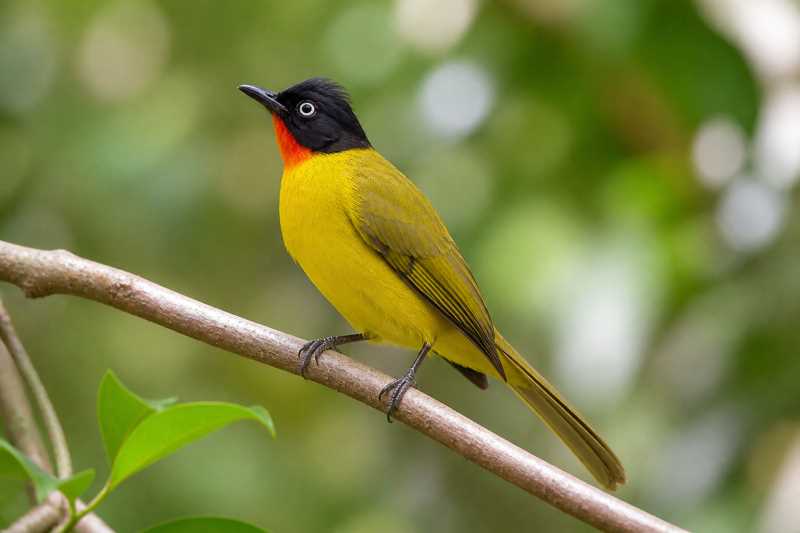
The Flame-throated Bulbul is easily recognizable due to its distinctive coloration. It measures about 18 centimeters in length, with a wingspan of approximately 25 centimeters. The bird’s most striking feature is its bright orange-red throat, which contrasts sharply with its olive-brown upperparts and yellow underparts. The head is dark, with a small crest, and the eyes are encircled by a thin white ring. This vibrant coloration not only aids in identification but also plays a role in mating displays.
Behavior and Diet
Rubigula gularis is a highly social and active bird, often seen in flocks comprising family groups or mixed-species gatherings. Its diet primarily consists of fruits, nectar, and small insects, making it an omnivore. The bird plays a crucial role in the ecosystem as a seed disperser, aiding in the regeneration of forest vegetation.
The Flame-throated Bulbul is known for its melodious and varied calls. These calls serve multiple functions, including mate attraction, territory defense, and communication within flocks. The bird’s song is a delightful addition to the forest soundscape, contributing to the vibrant atmosphere of the Western Ghats.
Reproduction and Lifespan
Breeding season for the Flame-throated Bulbul typically occurs between February and June. During this period, males engage in elaborate displays to attract females, showcasing their bright throat patches and engaging in song duets. The species is monogamous, with both parents involved in nest building, incubation, and chick rearing.
The nest is usually a small cup-shaped structure made from twigs, leaves, and grasses, and is often situated in a bush or tree, well hidden from predators. The female lays an average of 2 to 3 eggs, which are incubated for about 12 to 14 days. Once hatched, the chicks are fed by both parents and fledge approximately two weeks after hatching.
Conservation Status and Threats
The Flame-throated Bulbul is currently classified as a species of "Least Concern" by the International Union for Conservation of Nature (IUCN). However, like many species in the Western Ghats, it faces threats from habitat loss and degradation due to deforestation, agriculture expansion, and urbanization.
Conservation efforts in the Western Ghats are crucial for maintaining the habitat of the Flame-throated Bulbul and other endemic species. Protected areas such as national parks and wildlife sanctuaries play a vital role in safeguarding these birds. Additionally, community-based conservation initiatives that promote sustainable practices and habitat restoration are essential for the long-term survival of the species.
Cultural Significance and Ecotourism
The Flame-throated Bulbul holds cultural significance in the regions it inhabits. It is the state bird of Goa, symbolizing the natural wealth of the state. The bird’s vibrant appearance and melodious song make it a favorite among birdwatchers and nature enthusiasts, contributing to the growing ecotourism industry in the Western Ghats.
Ecotourism not only provides economic benefits to local communities but also raises awareness about the importance of conserving the region’s unique biodiversity. Birdwatching tours and educational programs focusing on the Flame-throated Bulbul and other native species help foster a sense of stewardship among residents and visitors alike.
Conclusion
The Flame-throated Bulbul is a striking representative of the Western Ghats’ rich biodiversity. Its vibrant plumage, melodious calls, and ecological role as a seed disperser highlight the interconnectedness of life in this unique ecosystem. Conservation efforts are crucial to ensure the survival of this species and the preservation of its habitat. Through continued research, habitat protection, and community engagement, the Flame-throated Bulbul can continue to thrive as a symbol of the Western Ghats’ natural heritage.
Related posts