Harrington’s Rat (Desmomys harringtoni): An In-depth Exploration
Introduction
Harrington’s Rat, scientifically known as Desmomys harringtoni, is a fascinating rodent species that captivates the interest of mammalogists and nature enthusiasts alike. Known for its unique characteristics and ecological role, this elusive mammal is a subject of study for understanding biodiversity and conservation needs in its native habitats. This comprehensive guide delves into the physical attributes, habitat preferences, behavioral patterns, and conservation concerns surrounding Harrington’s Rat, offering a complete resource for researchers and wildlife aficionados.
Physical Description
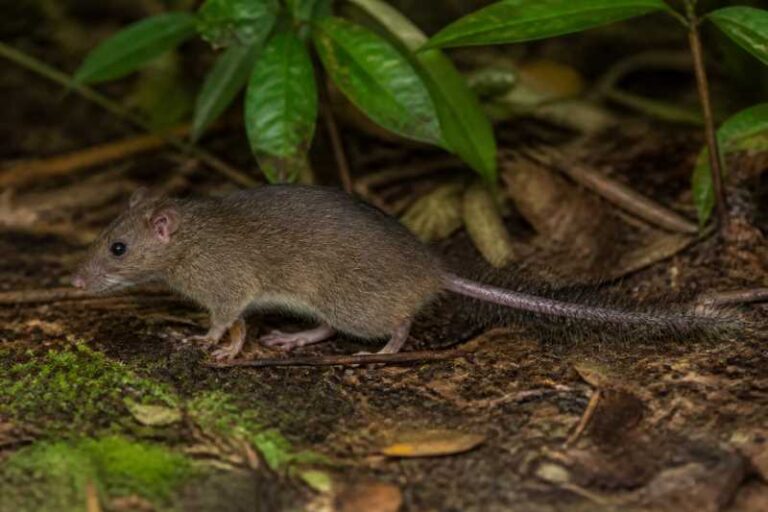
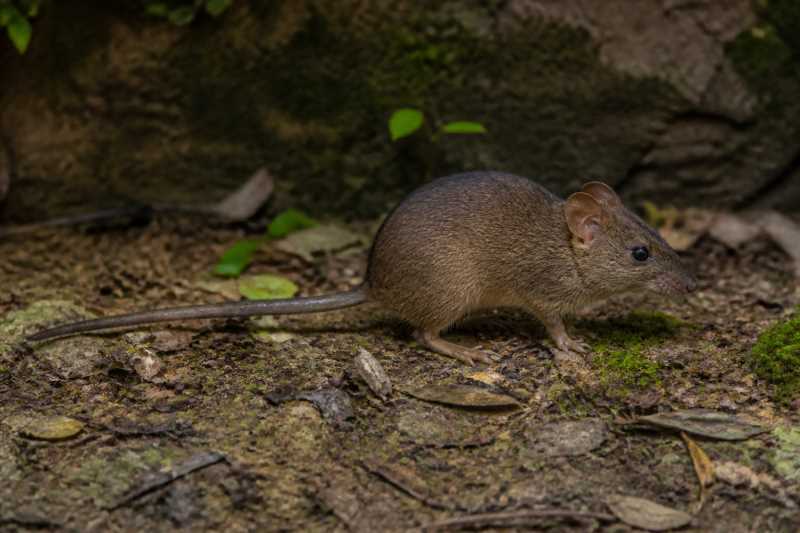
Harrington’s Rat is a medium-sized rodent characterized by its sleek body and distinct fur pattern. Typically, an adult measures between 15 to 20 centimeters in length, with a tail that is slightly shorter than its body. The fur is a rich brown on the dorsal side, providing excellent camouflage in its natural habitat. The ventral side is usually lighter, ranging from off-white to a soft gray. This coloration is not just for aesthetic appeal but serves as a vital adaptation for avoiding predators.
The rat’s ears are moderately large and rounded, with a keen sense of hearing that assists in detecting predators. Its eyes are large and adapted for nocturnal activity, reflecting its nighttime foraging behavior. The whiskers are long and highly sensitive, aiding in navigating through dense vegetation and dark environments.
Range and Habitat
Harrington’s Rat is endemic to parts of East Africa, particularly in regions that offer a mix of forest and grassland ecosystems. It thrives in areas with dense undergrowth and plentiful cover, which provide protection from predators and harsh weather conditions. The rat is predominantly found in countries such as Ethiopia and Kenya, where it inhabits altitudes ranging from lowland forests to mountainous regions.
A preference for areas with abundant food sources such as seeds, fruits, and small insects dictates its habitat selection. These environments not only supply nutritional needs but also offer the necessary materials for nesting and shelter construction.
Behavior and Diet
As a nocturnal creature, Harrington’s Rat exhibits active behavior during nighttime hours, using the cover of darkness to forage and avoid predators. Its diet is omnivorous, consisting primarily of seeds, nuts, fruits, and occasionally small insects or invertebrates. This varied diet helps the rat to adapt to changing seasonal food availability.
Socially, Harrington’s Rat is known to exhibit both solitary and social behaviors, depending on environmental conditions and food availability. During periods of abundance, it may form small groups to forage, while in scarcity, it becomes more solitary and territorial.
Identification Tips
Field recognition of Harrington’s Rat involves several key identification cues:
- Fur Coloration: Look for the distinct brown dorsal fur with a lighter underbelly.
- Size and Shape: Note the medium body size and proportionally shorter tail.
- Nocturnal Activity: Observations are more successful at night when the rat is active.
- Habitat Preference: Focus on dense undergrowth areas within its known range.
Conservation Status
Currently, Harrington’s Rat is classified as a species of Least Concern by the International Union for Conservation of Nature (IUCN). However, like many species, it faces threats from habitat destruction, agricultural expansion, and climate change. Deforestation and human encroachment reduce its natural habitat, presenting significant challenges for its survival.
Conservation efforts are crucial to mitigate these threats, including habitat preservation, sustainable land use practices, and environmental awareness campaigns. Protecting the ecosystems that support Harrington’s Rat not only ensures its survival but also maintains biodiversity and ecological balance.
Frequently Asked Questions
- What is the primary diet of Harrington’s Rat?
Harrington’s Rat primarily consumes seeds, nuts, fruits, and occasionally small insects. This omnivorous diet allows it to adapt to seasonal food changes.
- Where can Harrington’s Rat be found?
Harrington’s Rat is native to East Africa, particularly in Ethiopia and Kenya, inhabiting forest and grassland regions with dense vegetation.
- How can you identify Harrington’s Rat in the wild?
Key identification features include its brown dorsal fur, lighter ventral side, medium size, and nocturnal activity patterns. Observing in dense undergrowth can be helpful.
- What are the main threats to Harrington’s Rat?
Major threats include habitat destruction due to deforestation and agricultural expansion, as well as climate change impacts.
- Is Harrington’s Rat a solitary animal?
Harrington’s Rat displays both solitary and social behaviors, depending on environmental conditions and food availability.
Related posts