Introduction
The Tacarcunan Bat, scientifically known as Lasiurus castaneus, is a fascinating species of the mammal order Chiroptera. Known for its elusive nature and unique ecological niche, this bat is an integral part of the ecosystems it inhabits. While not as well-known as some of its bat relatives, the Tacarcunan Bat plays a crucial role in insect control and seed dispersion. In this article, we will delve into the various aspects of this intriguing species, from its physical characteristics to its habitat preferences, behavior, and conservation status.
Physical Description
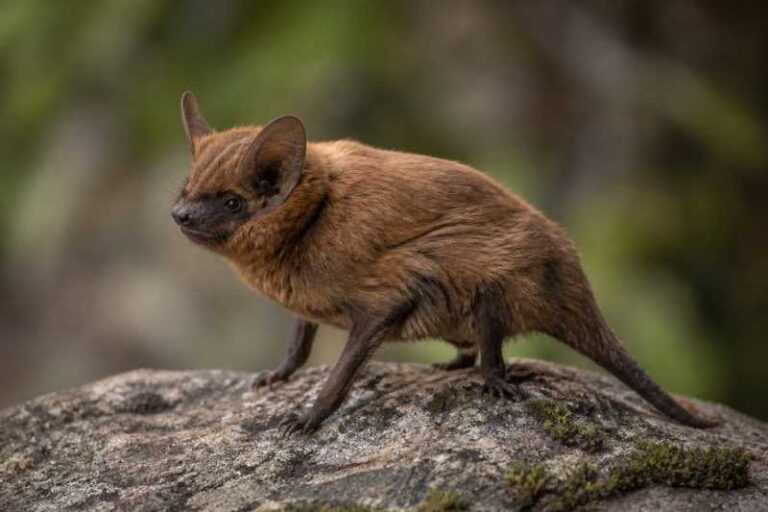
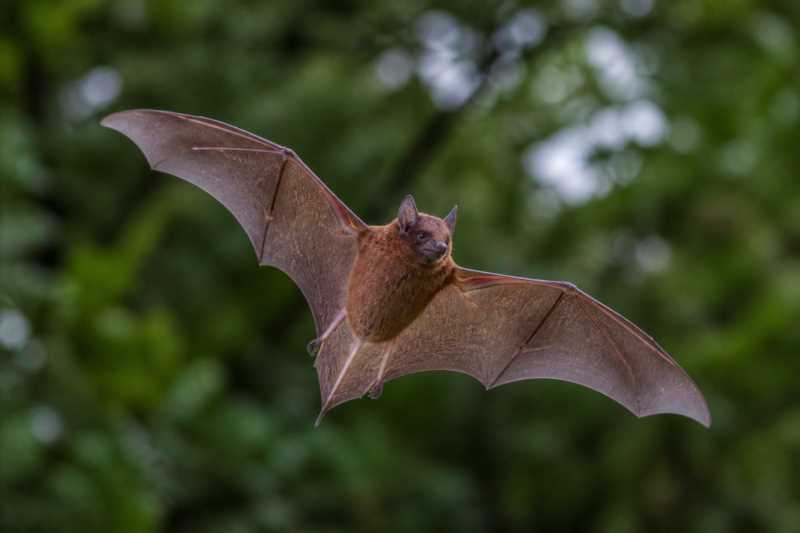
The Tacarcunan Bat is a medium-sized bat species characterized by its rich reddish-brown fur, which gives it a distinctive appearance among the bats of the New World. Adults typically have a wingspan ranging from 30 to 40 centimeters and weigh approximately 12 to 15 grams. The fur is dense and soft, providing insulation against cooler temperatures during flight. The ears of the Tacarcunan Bat are moderately sized, rounded, and possess a tragus, a small cartilaginous projection that aids in echolocation. The bat’s tail extends slightly beyond the edge of the tail membrane, a feature that distinguishes it from some other species in the genus Lasiurus.
Range and Habitat
The Tacarcunan Bat is primarily found in the neotropical regions of Central and South America. Its range extends from southern Mexico through Central America, reaching as far south as Colombia and Ecuador. This species prefers habitats that offer a combination of forested areas and open spaces, such as savannas and agricultural landscapes. It is often associated with lowland tropical forests but can also be found in montane regions up to 1,800 meters above sea level. The Tacarcunan Bat roosts in tree cavities, foliage, and occasionally in man-made structures, demonstrating a degree of adaptability to different environments.
Behavior and Diet
The Tacarcunan Bat is nocturnal, emerging at dusk to forage for food. Its diet primarily consists of insects, making it an important control agent for pest populations. The bat employs echolocation to locate prey, emitting high-frequency calls that bounce off objects and return as echoes. This allows the bat to navigate and hunt efficiently in complete darkness. In addition to insects, the Tacarcunan Bat may occasionally consume fruit, aiding in seed dispersal for certain plant species. Socially, this bat is generally solitary but can sometimes be found in small groups, especially during the breeding season.
Identification Tips
Identifying the Tacarcunan Bat in the field requires careful observation of several key features:
- Fur Color: Look for the characteristic reddish-brown fur that distinguishes this species from other bats.
- Size and Shape: Note the medium size and the bat’s wingspan of 30 to 40 centimeters.
- Tail Membrane: Observe the tail, which slightly extends beyond the tail membrane.
- Echolocation Calls: Use a bat detector to identify the specific frequency range of its echolocation calls, which can help in distinguishing it from other sympatric species.
Conservation Status
As of the latest assessments, the Tacarcunan Bat is listed as Least Concern by the International Union for Conservation of Nature (IUCN). However, like many bat species, it faces several threats that could impact its populations in the future. Habitat loss due to deforestation and agricultural expansion poses a significant threat to its natural habitat. In addition, pesticide use can reduce insect prey availability and directly harm the bats. Efforts to protect this species include preserving forest habitats, promoting sustainable agricultural practices, and conducting further research to monitor population trends and ecological needs.
Frequently Asked Questions
What is the primary diet of the Tacarcunan Bat?
The Tacarcunan Bat primarily feeds on insects, which it hunts using echolocation. This diet makes it an essential part of controlling insect populations in its habitat.
Where can you find the Tacarcunan Bat?
The Tacarcunan Bat is found in the neotropical regions of Central and South America, from southern Mexico to Colombia and Ecuador, typically in forested and open areas.
How does the Tacarcunan Bat contribute to its ecosystem?
In addition to controlling insect populations, the Tacarcunan Bat also aids in seed dispersal when it consumes fruit, thus contributing to plant diversity and forest regeneration.
What threats does the Tacarcunan Bat face?
The primary threats to the Tacarcunan Bat include habitat loss due to deforestation and agricultural expansion, as well as the impacts of pesticide use on its insect prey.
How can we help conserve the Tacarcunan Bat?
Conservation efforts can include protecting forest habitats, supporting sustainable agriculture, and raising awareness about the ecological importance of bats.
Related posts