Introduction
Townsend’s Vole, scientifically known as Microtus townsendii, is a species of rodent belonging to the family Cricetidae. This intriguing mammal is primarily found in the Pacific Northwest region of North America, where it plays a crucial role in the ecosystem. Townsend’s Vole is named in honor of John Kirk Townsend, an American naturalist who contributed significantly to the understanding of North American fauna. This article delves into the various aspects of Townsend’s Vole, including its physical characteristics, habitat preferences, behavior, and conservation status.
Physical Description
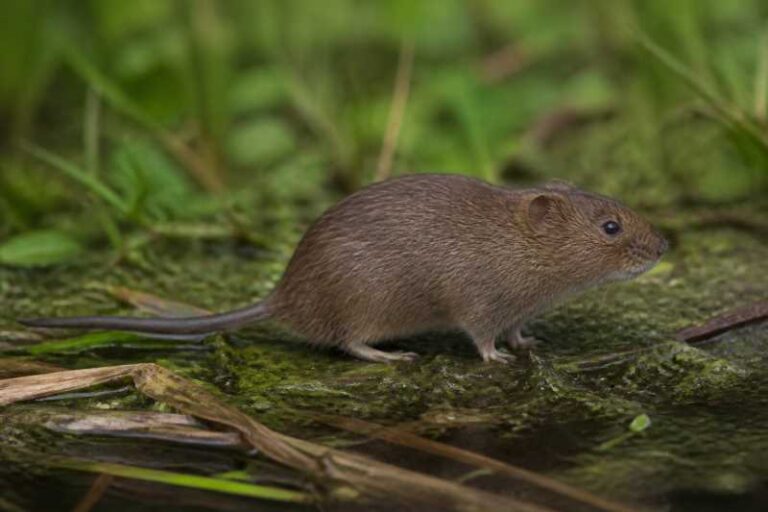
Townsend’s Vole is a medium-sized vole, characterized by its robust body and short limbs. Adult individuals typically measure between 15 to 20 centimeters in total length, including a tail that ranges from 4 to 6 centimeters. The body mass of these voles can vary from 50 to 80 grams, depending on factors such as age and food availability.
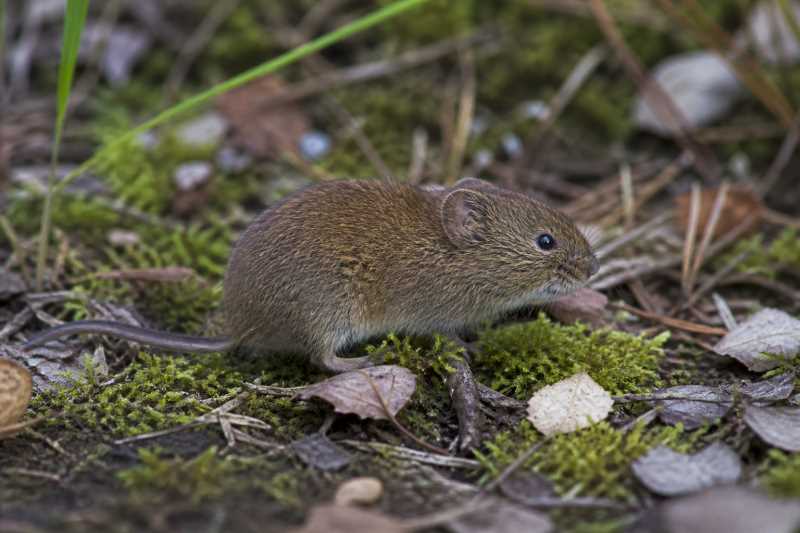
The fur of Townsend’s Vole is dense and soft, providing insulation against the moist and cool climate of its habitat. The dorsal side of the fur is usually dark brown or blackish, while the ventral side is lighter, often grayish or whitish. The ears are small and barely extend above the fur, which is a common adaptation among burrowing rodents to prevent dirt from entering the ear canal.
Their eyes are relatively small, and the incisors are yellow-orange, a typical feature of rodents. The feet are equipped with strong claws, which facilitate digging and foraging activities.
Range and Habitat
Townsend’s Vole is predominantly found along the coastal regions of the Pacific Northwest, extending from southwestern British Columbia in Canada through Washington and Oregon, and into northern California in the United States. This species thrives in marshy and wetland areas, including meadows, grasslands, and edges of forests where there is ample vegetation.
The preference for moist habitats is primarily due to the availability of lush grasses and forbs, which constitute the primary diet of Townsend’s Vole. The species is also known to inhabit agricultural areas, particularly fields of crops like alfalfa and clover, where they can find abundant food resources.
Behavior and Diet
Townsend’s Vole is predominantly herbivorous, feeding on a wide variety of plant materials. The diet mainly consists of grasses, sedges, and herbs, which are abundant in their wetland habitats. During winter months, when green vegetation is less available, they may consume bark and roots.
These voles are known for their extensive burrowing activities. They construct elaborate tunnel systems that provide shelter and protection from predators. The burrows often have multiple entrances and may extend several meters underground. Within these burrows, they also store food to sustain themselves during periods when foraging is not feasible.
Townsend’s Vole is crepuscular, meaning it is most active during dawn and dusk. This behavior helps them avoid predators that hunt during the day or night. They are social creatures, often found living in colonies, which can help in maintaining warmth and protection.
Identification Tips (Field Recognition Cues)
Identifying Townsend’s Vole in the field can be challenging, but certain features can aid in recognition:
- Size and Shape: Look for a medium-sized vole with a compact, rounded body and a relatively short tail.
- Fur Coloration: Note the dark brown or blackish fur on the back with a lighter belly.
- Habitat: They are typically found in wetland areas with dense vegetation.
- Burrows: Presence of extensive burrow systems with multiple entrances is a strong indicator of their presence.
- Activity: They are most active during dawn and dusk, so these times are optimal for observation.
Conservation Status (with Threats and Protections)
As of the latest assessments, Townsend’s Vole is not listed as threatened or endangered. However, the species faces several threats primarily due to habitat loss and degradation. Urban development, agriculture, and drainage of wetlands pose significant risks to their natural habitats.
Conservation efforts for Townsend’s Vole focus on preserving wetland habitats and maintaining ecological balance within these ecosystems. Protected areas and wildlife refuges in the Pacific Northwest play a crucial role in safeguarding the habitat and, consequently, the populations of Townsend’s Vole.
Frequently Asked Questions
1. What is the primary diet of Townsend’s Vole?
Townsend’s Vole primarily feeds on grasses, sedges, and herbs. During winter, they may consume bark and roots when green vegetation is scarce.
2. Where can Townsend’s Vole be found?
It is found in the coastal regions of the Pacific Northwest, including southwestern British Columbia, Washington, Oregon, and northern California.
3. How does Townsend’s Vole avoid predators?
Townsend’s Vole constructs extensive burrow systems and is crepuscular, being most active during dawn and dusk to avoid predators active during the day and night.
4. What threats does Townsend’s Vole face?
The primary threats include habitat loss due to urban development, agriculture, and drainage of wetlands.
5. Are Townsend’s Voles social animals?
Yes, they are social creatures often found in colonies, which helps in maintaining warmth and protection.
Related posts