Swinhoe’s Roundleaf Bat (Hipposideros swinhoii): An In-Depth Look
Introduction
Swinhoe’s Roundleaf Bat, known scientifically as Hipposideros swinhoii, is a fascinating species of microbat belonging to the family Hipposideridae. Named after the British naturalist Robert Swinhoe, this bat species is notable for its unique echolocation abilities and specialized habitat requirements. Its presence is a significant indicator of the health of its ecosystem, making it an essential subject of study for conservationists and bat enthusiasts alike. In this article, we will explore the various aspects of Swinhoe’s Roundleaf Bat, including its physical characteristics, habitat preferences, behaviors, and conservation status.
Physical Description
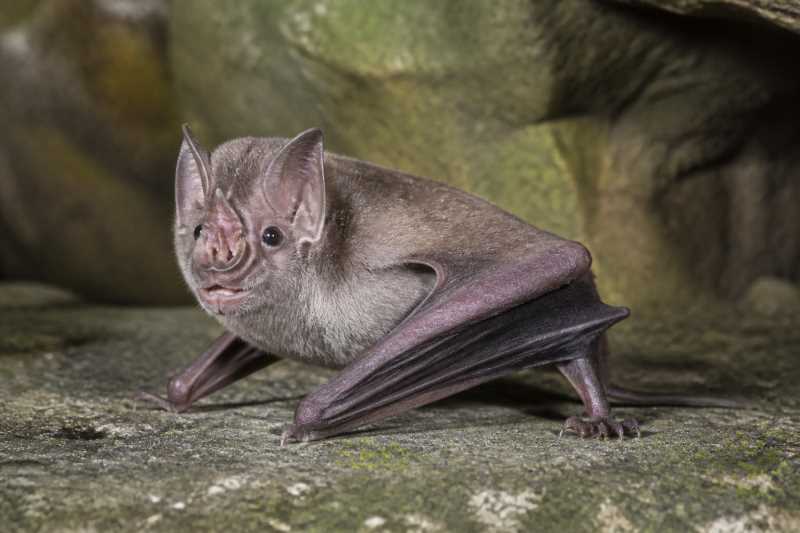
Swinhoe’s Roundleaf Bat is a small to medium-sized bat, characterized by its distinctive nose-leaf structure, which is integral to its echolocation system. The nose-leaf is round, hence the name "roundleaf," and is thought to aid in the directionality and focus of sound waves.
The bat typically weighs between 6 to 10 grams, with a forearm length ranging from 40 to 48 millimeters. Its fur is short and dense, exhibiting a brownish-gray color on its dorsal side and a slightly lighter shade on the ventral side. The wings are relatively long and narrow, adapted for agile flight in dense forests.
One of the key physical features that help in identifying this species is the presence of large, rounded ears and a prominent tragus, which play a critical role in their acute auditory senses. Their eyes are small, as vision is not their primary sense for navigation.
Range and Habitat
Swinhoe’s Roundleaf Bat is predominantly found in Southeast Asia, with a range that includes parts of Taiwan, southern China, and northern Vietnam. These bats prefer warm, humid environments and are commonly found in subtropical and tropical forests.
Their habitats are usually close to water bodies, such as rivers and streams, which provide a rich source of insect prey. They roost in caves, abandoned mines, and sometimes in the hollows of trees, where the temperature and humidity levels are stable. Roost sites are crucial for their survival, providing shelter from predators and a place to conserve energy during the day.
Behavior and Diet
Swinhoe’s Roundleaf Bat is a nocturnal creature, spending the daylight hours roosting and becoming active at dusk. Their echolocation abilities are highly developed, allowing them to navigate and hunt effectively in complete darkness. They emit high-frequency sound waves that bounce off objects and return to them, helping to create a sonic map of their surroundings.
The diet of Swinhoe’s Roundleaf Bat mainly consists of flying insects. They are particularly fond of moths and beetles, which they catch on the wing using their dexterous flight skills. These bats play a vital role in controlling insect populations, making them beneficial to the ecosystems they inhabit.
Identification Tips
Identifying Swinhoe’s Roundleaf Bat in the field requires attention to several key characteristics:
- Nose-leaf Shape: Look for the unique round-shaped nose-leaf that is prominent on the face.
- Ear Structure: Large, rounded ears with a distinctive tragus are indicative of this species.
- Fur Color: A brownish-gray dorsal side with a lighter ventral side can help differentiate it from other bat species.
- Flight Pattern: Observe their agile flight pattern, often seen near water bodies at dusk.
Conservation Status
According to the IUCN Red List, Swinhoe’s Roundleaf Bat is currently classified as "Least Concern." However, like many other bat species, it faces several threats that could impact its populations in the future.
Threats
- Habitat Loss: Deforestation and land conversion for agriculture are significant threats, reducing the availability of suitable roosting and foraging sites.
- Disturbance: Human activities such as cave tourism and mining can disturb their roosting sites.
- Climate Change: Changes in temperature and precipitation patterns can affect the availability of insect prey and suitable habitats.
Protections
Efforts to protect Swinhoe’s Roundleaf Bat include the establishment of protected areas and the implementation of conservation programs aimed at preserving natural habitats. Public awareness campaigns are also crucial to reduce disturbances at roost sites and promote coexistence with these vital insectivores.
Frequently Asked Questions
- What is the primary diet of Swinhoe’s Roundleaf Bat?
Swinhoe’s Roundleaf Bat primarily feeds on flying insects, particularly moths and beetles. Their diet is crucial for maintaining balanced insect populations in their habitats.
- Where can Swinhoe’s Roundleaf Bats be found?
These bats are typically found in Southeast Asia, including regions of Taiwan, southern China, and northern Vietnam, favoring subtropical and tropical forest environments.
- How do Swinhoe’s Roundleaf Bats navigate in the dark?
They use echolocation, emitting high-frequency sound waves that reflect off objects and return to them, allowing the bats to create a detailed sonic map of their surroundings.
- Are Swinhoe’s Roundleaf Bats endangered?
Currently, Swinhoe’s Roundleaf Bat is listed as "Least Concern" by the IUCN, but they face threats such as habitat loss and climate change that could affect their populations.
- What are the main threats to Swinhoe’s Roundleaf Bat?
The primary threats include habitat loss due to deforestation, disturbances from human activities, and the impacts of climate change on their ecosystems.
In conclusion, Swinhoe’s Roundleaf Bat is a remarkable species with unique adaptations that highlight the incredible diversity of the bat family. Protecting their habitats and understanding their ecological roles are vital steps in ensuring their continued survival.
Related posts