Introduction
Sage’s Rock Rat, scientifically known as Aconaemys sagei, is a fascinating yet relatively obscure rodent species native to South America. This small mammal is part of the Octodontidae family, which is known for its burrowing rodents. Sage’s Rock Rat plays a crucial role in its ecosystem as both a prey species and a contributor to soil aeration due to its burrowing habits. Despite its significance, there is limited information available about this elusive creature, making it an intriguing subject for zoologists and nature enthusiasts alike.
Physical Description
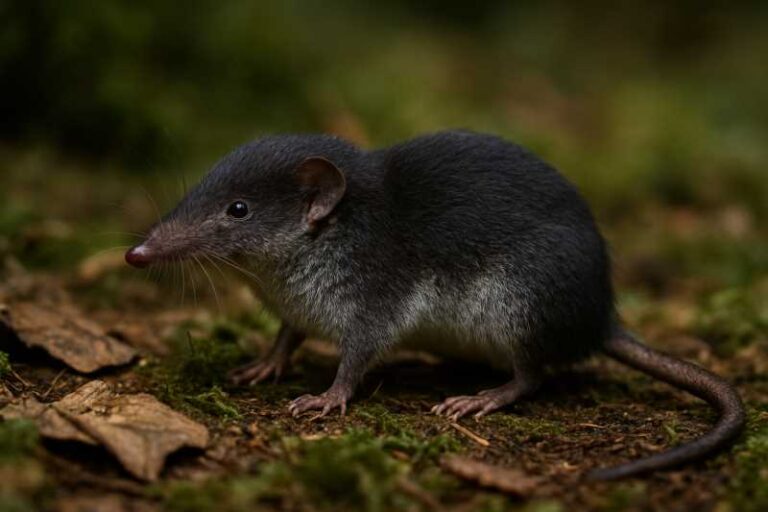
Sage’s Rock Rat is characterized by its compact, sturdy body and short limbs, which are well-adapted for its burrowing lifestyle. Adult individuals typically weigh between 150 to 200 grams and measure around 15 to 20 centimeters in body length, not including the tail. The tail is relatively short, measuring about 10 centimeters, and is covered with sparse hair, which aids in balance while navigating rocky terrains.
The fur of Sage’s Rock Rat is dense and soft, providing insulation against the cold temperatures of its habitat. The coloration is primarily a mottled brown and grey, which offers excellent camouflage against the rocky landscapes it inhabits. Its eyes are small yet adapted for low-light conditions, and its ears are rounded and covered with fine hair to prevent debris from entering while burrowing. The incisors of Aconaemys sagei are particularly robust, enabling it to gnaw through tough plant material and roots.
Range and Habitat
Sage’s Rock Rat is endemic to the mountainous regions of Chile and Argentina, primarily inhabiting the Andean steppe and rocky outcrops. This species is adapted to high-altitude environments, typically dwelling at elevations between 1,500 and 3,000 meters. The choice of habitat is influenced by the availability of rocky crevices and underground burrows, which provide shelter from predators and harsh weather conditions.
The Andean steppe, characterized by sparse vegetation and rocky soil, offers an ideal environment for Sage’s Rock Rat. The presence of grasses, shrubs, and low-lying vegetation supplies both food and cover from aerial predators. These habitats are crucial for the survival of Aconaemys sagei, as they provide the necessary resources and conditions for its burrowing lifestyle.
Behavior and Diet
Sage’s Rock Rat is primarily nocturnal, emerging from its burrow during the night to forage for food. This behavior helps it avoid the high temperatures and predators that are more active during the day. It is a solitary animal, although it may share its burrow with others during the breeding season or harsh weather conditions.
The diet of Sage’s Rock Rat consists mainly of grasses, seeds, and roots. It is an herbivore with a particular preference for vegetation that can be found in its rocky habitat. The rat’s strong incisors are adapted to gnawing through tough plant material, and its digestive system efficiently extracts nutrients from fibrous plant matter. Occasionally, it may also consume insects and other invertebrates to supplement its diet.
Identification Tips (Field Recognition Cues)
Identifying Sage’s Rock Rat in the wild requires careful observation and attention to specific characteristics:
- Size and Shape: Look for a small rodent with a robust, compact body and a short, sparsely haired tail.
- Fur Coloration: Note the mottled brown and grey fur, which blends seamlessly with rocky surroundings.
- Behavior: Observe nocturnal activity patterns and burrowing behavior, as these are indicative of Aconaemys sagei.
- Habitat: Focus on rocky outcrops and Andean steppe regions, particularly at high elevations where this species is commonly found.
Conservation Status (With Threats and Protections)
Currently, Sage’s Rock Rat is classified as a species of Least Concern by the International Union for Conservation of Nature (IUCN). However, this status does not imply that the species faces no threats. Habitat loss due to agricultural expansion and mining activities poses significant risks to its natural habitat. Additionally, climate change may alter the delicate balance of its high-altitude ecosystem, affecting food availability and shelter.
Conservation efforts for Aconaemys sagei are primarily focused on habitat preservation. Protected areas within its range, such as national parks and reserves, offer some refuge from human encroachment. Continued research and monitoring are essential to understand the full impact of environmental changes on this species and to develop effective conservation strategies.
Frequently Asked Questions
1. What is the primary habitat of Sage’s Rock Rat?
Sage’s Rock Rat primarily inhabits the Andean steppe and rocky outcrops in Chile and Argentina, favoring high-altitude environments between 1,500 and 3,000 meters.
2. Is Sage’s Rock Rat endangered?
Currently, Sage’s Rock Rat is classified as Least Concern by the IUCN. However, habitat loss and climate change pose potential threats to its population.
3. How does Sage’s Rock Rat contribute to its ecosystem?
Sage’s Rock Rat plays a vital role in its ecosystem by aerating soil through its burrowing activities and serving as a prey species for larger predators.
4. What does Sage’s Rock Rat eat?
Sage’s Rock Rat is primarily herbivorous, feeding on grasses, seeds, and roots. Occasionally, it supplements its diet with insects and other invertebrates.
5. How can I identify Sage’s Rock Rat in the wild?
Look for a small rodent with a compact body, mottled brown and grey fur, and nocturnal activity patterns in high-altitude rocky habitats.
Related posts