Common Fringe-lipped Bat (Trachops cirrhosus)
Introduction
The Common Fringe-lipped Bat, scientifically known as Trachops cirrhosus, is a fascinating mammalian species that captures the interest of both researchers and bat enthusiasts alike. Known for its unique feeding habits and distinctive physical features, this bat plays a vital role in its ecosystem. In this comprehensive guide, we delve into the various aspects of the Common Fringe-lipped Bat, from its physical description and habitat to its behavior and conservation status.
Physical Description
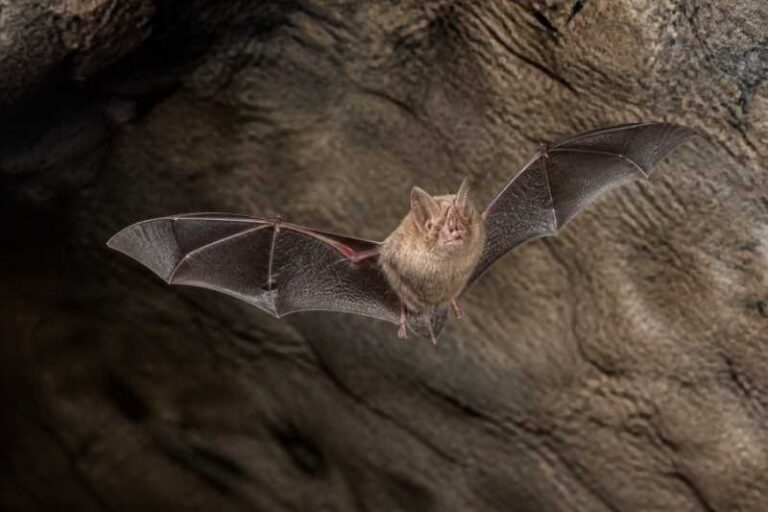
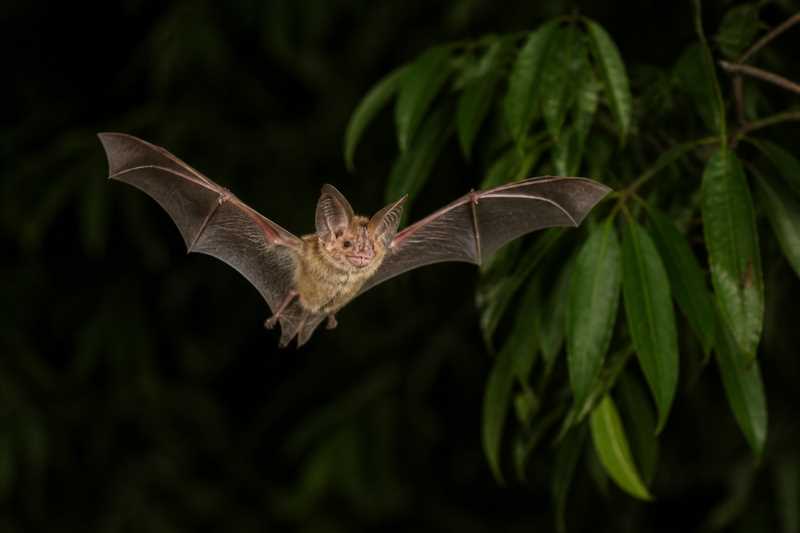
The Common Fringe-lipped Bat is easily recognizable due to its distinct morphology. It is a medium-sized bat, with a body length ranging from 7 to 9 cm and a wingspan of approximately 30 to 35 cm. One of the most striking features of this species is its fringed lips, which are equipped with specialized sensory receptors. These adaptations are crucial for detecting the movement and location of prey.
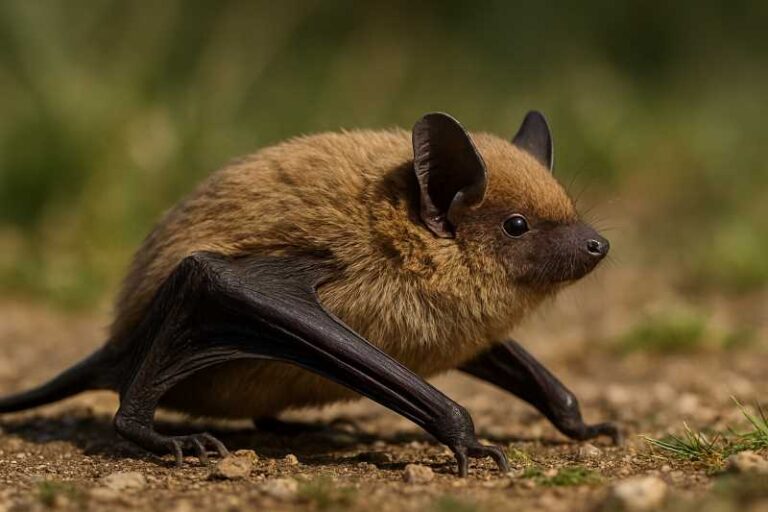
The bat’s fur is generally a reddish-brown to dark brown, providing excellent camouflage in its natural habitat. Its ears are large and rounded, aiding in echolocation abilities. The face is adorned with a series of skin folds and warts, giving it a somewhat grotesque appearance. These features, however, are highly functional, enhancing the bat’s ability to hunt and navigate in the dark.
Range and Habitat
The Common Fringe-lipped Bat is primarily found in the Neotropical regions, ranging from southern Mexico through Central America and into the northern parts of South America, including countries like Colombia, Ecuador, and Peru. This species thrives in a variety of habitats, including tropical rainforests, deciduous forests, and even in areas of secondary growth.
These bats prefer habitats that offer ample roosting opportunities such as hollow trees, caves, and man-made structures. They tend to roost in colonies, which can vary in size from small family groups to larger aggregations. The availability of water sources nearby is also a critical factor, as it supports the bat’s insect-rich diet.
Behavior and Diet
The Common Fringe-lipped Bat is primarily nocturnal, engaging in most of its activities during the night. It is an opportunistic feeder, with a diet that includes a variety of prey such as insects, small vertebrates, and occasionally, other bats. One of the most fascinating aspects of its feeding behavior is its ability to hunt frogs by listening to their mating calls. This bat can discern between poisonous and non-poisonous frogs by analyzing the acoustic signals emitted by potential prey.
Socially, these bats exhibit complex behaviors. They communicate through a series of vocalizations and are known to engage in social grooming. Mating usually occurs during the wet season, when food resources are abundant. Females give birth to a single pup, which they nurse until it is capable of foraging independently.
Identification Tips (Field Recognition Cues)
Identifying the Common Fringe-lipped Bat in the field requires keen observation of specific features:
- Fringed Lips: Look for the distinctive fringed lips, which are not present in other bat species.
- Ear Shape: The large, rounded ears are a key characteristic.
- Fur Color: Note the reddish-brown to dark brown fur, which is a common coloration in this species.
- Echolocation Calls: If using a bat detector, the echolocation calls of Trachops cirrhosus are unique and can aid in identification.
- Roosting Habitat: Observe the roosting sites, as these bats prefer areas with abundant vegetation and proximity to water.
Conservation Status (with Threats and Protections)
The Common Fringe-lipped Bat is currently classified as Least Concern by the International Union for Conservation of Nature (IUCN). However, like many bat species, it faces several threats that could impact its populations in the future.
Threats
- Habitat Destruction: Deforestation and land conversion for agriculture and urban development are significant threats.
- Pesticide Use: The use of pesticides reduces insect populations, which are a primary food source for these bats.
- Climate Change: Changes in climate patterns can affect the availability of prey and suitable roosting sites.
Protections
Efforts to conserve this species include protecting critical habitats and promoting sustainable agricultural practices. Education and awareness campaigns are also crucial in reducing human-wildlife conflicts and promoting bat-friendly practices.
Frequently Asked Questions
1. What do Fringe-lipped Bats eat?
Fringe-lipped Bats have a diverse diet that includes insects, small vertebrates, and occasionally other small mammals. They are particularly known for preying on frogs by using their vocalizations to locate them.
2. Where can I observe Common Fringe-lipped Bats?
These bats can be observed in tropical and subtropical forests across Central and South America. They are often found near water sources, where prey is abundant.
3. How do Fringe-lipped Bats use echolocation?
Fringe-lipped Bats use echolocation to navigate and hunt in the dark. They emit high-frequency calls and listen to the echoes that bounce back from objects, allowing them to detect prey and avoid obstacles.
4. Are Fringe-lipped Bats endangered?
Currently, the Common Fringe-lipped Bat is not considered endangered. It is classified as Least Concern, but ongoing threats like habitat destruction could change its status in the future.
5. How do Fringe-lipped Bats reproduce?
These bats typically mate during the wet season. Females give birth to a single pup, which is cared for in the roosting site until it is old enough to forage on its own.
Related posts