Introduction
The Southern Big-eared Mouse, scientifically known as Loxodontomys micropus, is a small rodent species belonging to the family Cricetidae. Characterized by its distinctively large ears, this species is native to South America, specifically found in regions with varied terrains and climates. Its unique physical attributes and ecological niche make it an interesting subject for researchers and wildlife enthusiasts alike. This article explores the various facets of the Southern Big-eared Mouse, including its physical description, habitat, behavior, and conservation status.
Physical Description
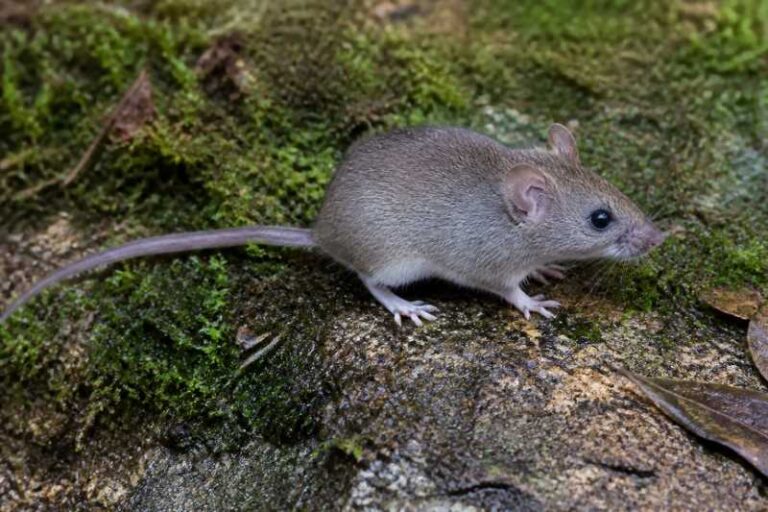
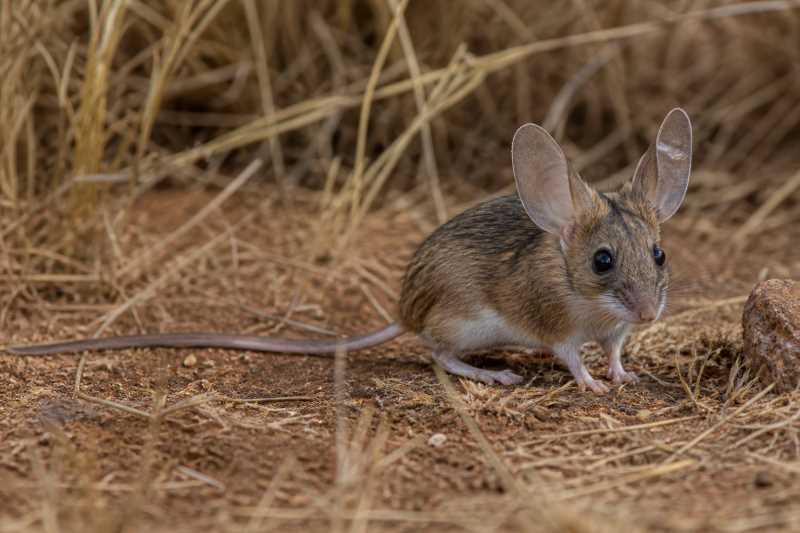
The Southern Big-eared Mouse is a small rodent, with adults typically measuring between 9 to 12 centimeters in body length, excluding the tail, which adds another 8 to 10 centimeters. The most striking feature of this species is its disproportionately large ears, which are not only a defining characteristic but also play a crucial role in its survival. The ears are well-adapted for detecting predators and navigating its environment, particularly in dense vegetation.
The fur of the Southern Big-eared Mouse is generally soft and dense, providing insulation against the cooler climates of its habitat. The coloration ranges from grayish-brown to a more reddish hue, with a lighter underbelly. This color variation helps in camouflage, blending seamlessly into the earthy tones of its surroundings.
Range and Habitat
The Southern Big-eared Mouse is primarily found in the southern regions of South America, with a range that extends across parts of Argentina and Chile. It inhabits a variety of ecosystems, from lowland forests and shrublands to mountainous terrains and grasslands. The species is highly adaptable, able to thrive in diverse environments, although it shows a preference for areas with dense vegetation which provides cover from predators.
Its presence is particularly notable in the temperate forests of Patagonia, where the climate is cool and moist. These forests offer ample food resources and nesting sites, making them an ideal habitat for the Southern Big-eared Mouse.
Behavior and Diet
The Southern Big-eared Mouse is primarily nocturnal, with peak activity occurring during the night when it forages for food. Its diet is omnivorous, consisting of a variety of seeds, fruits, insects, and small invertebrates. The species plays an important role in seed dispersal, contributing to the ecological health of its habitat.
Socially, the Southern Big-eared Mouse is relatively solitary, although it may form small groups during breeding seasons or in areas with abundant resources. Communication is facilitated through vocalizations, scent markings, and the use of its large ears to detect sounds from conspecifics and potential threats.
Identification Tips
Field recognition of the Southern Big-eared Mouse can be facilitated by several key features:
- Ears: The large, prominent ears are the most distinctive feature, easily noticeable even from a distance.
- Fur Color: Look for the characteristic grayish-brown to reddish fur, which tends to be darker on the back and lighter on the belly.
- Size: Note the small body size, generally around 9 to 12 centimeters in length, with a tail that is almost as long as the body.
- Behavior: Observe its nocturnal activity patterns and quick, agile movements within its habitat.
Conservation Status
As of the latest assessments, the Southern Big-eared Mouse is not considered to be at immediate risk of extinction. However, it faces several threats that could impact its population numbers in the future. Habitat destruction, primarily due to deforestation and agricultural expansion, poses a significant threat. Additionally, climate change may alter the ecosystems it relies on, potentially leading to habitat loss.
In terms of protection, the Southern Big-eared Mouse benefits from several conservation measures. Many of its habitats fall within protected areas, such as national parks and reserves, which help mitigate habitat destruction. Conservation efforts are also focused on maintaining the ecological integrity of its environment, ensuring the species has access to the resources it needs to thrive.
Frequently Asked Questions
What is the primary diet of the Southern Big-eared Mouse?
The Southern Big-eared Mouse is omnivorous, feeding on seeds, fruits, insects, and small invertebrates. This varied diet helps it adapt to different environmental conditions and available resources.
How can you identify a Southern Big-eared Mouse in the wild?
Key identification features include its large ears, small body size, and the distinct coloration of its fur, which ranges from grayish-brown to reddish with a lighter underbelly. Observing its nocturnal behavior can also aid in recognition.
What conservation efforts are in place for the Southern Big-eared Mouse?
Conservation efforts focus on habitat protection through national parks and reserves, as well as broader ecological conservation initiatives to preserve the species’ natural environment.
Are Southern Big-eared Mice social animals?
The Southern Big-eared Mouse is generally solitary but may form small groups during breeding seasons or in areas with plentiful resources. Communication occurs through vocalizations and scent markings.
Where is the natural habitat of the Southern Big-eared Mouse?
The Southern Big-eared Mouse is native to southern South America, particularly in Argentina and Chile, inhabiting temperate forests, shrublands, and grasslands.
Related posts