Introduction
The Kingston’s Roundleaf Bat, scientifically known as Hipposideros kingstonae, is a remarkable member of the Hipposideridae family. This elusive bat species has captured the interest of many due to its unique characteristics and ecological significance. Named after the renowned bat researcher Kingston, this bat species is a key component of the ecosystems it inhabits, contributing to insect population control and seed dispersal. This article delves into the intriguing world of Kingston’s Roundleaf Bat, exploring its physical attributes, habitat, behavior, and the conservation challenges it faces.
Physical Description
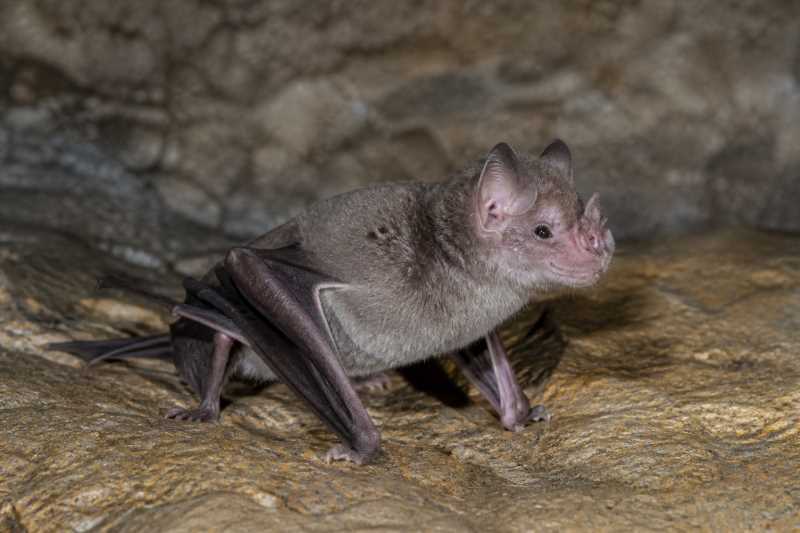
Kingston’s Roundleaf Bat is a medium-sized bat characterized by its distinctive roundleaf-shaped nose-leaf, which is a defining feature of the Hipposideros genus. This nose structure aids in echolocation, allowing the bat to navigate and hunt with precision in complete darkness. The bat’s fur is typically a brownish-gray, providing excellent camouflage within its natural habitat. Adult bats have a wingspan ranging from 30 to 35 centimeters and weigh between 20 to 30 grams.
The wings of Kingston’s Roundleaf Bat are long and narrow, optimized for agile flight in dense vegetation. The bat’s ears are large and rounded, enhancing its ability to detect the high-frequency sounds used in echolocation. These physical adaptations not only facilitate efficient hunting but also enable the bat to evade predators.
Range and Habitat
Kingston’s Roundleaf Bat is predominantly found in the tropical and subtropical regions of Southeast Asia. Its range extends across countries such as Thailand, Malaysia, and Indonesia. This bat species favors limestone caves, which provide the ideal microclimate for roosting and breeding. During the day, the bats rest in large colonies within these caves, emerging at night to forage.
In addition to caves, Kingston’s Roundleaf Bat may also inhabit dense forests and mangroves, where it can easily find food and shelter. The availability of suitable roosting sites is critical for the survival of this species, making habitat preservation a key concern for conservationists.
Behavior and Diet
Kingston’s Roundleaf Bat is primarily nocturnal, spending the daylight hours roosting in caves or dense foliage. As dusk falls, the bats emerge to embark on their nightly foraging expeditions. Their diet mainly consists of insects, with a particular preference for moths, beetles, and flies. The bats utilize echolocation to detect and capture prey, emitting high-frequency calls and interpreting the returning echoes to pinpoint their targets.
Socially, Kingston’s Roundleaf Bats are highly gregarious, often forming large colonies that can number in the thousands. This social structure provides protection against predators and enhances foraging efficiency. Within these colonies, bats communicate using a series of vocalizations and physical gestures, facilitating complex social interactions.
Identification Tips
Identifying Kingston’s Roundleaf Bat in the field requires attention to several key features:
- Nose-Leaf: The distinctive roundleaf-shaped nose-leaf is a primary identification characteristic.
- Echolocation Calls: The species emits high-frequency echolocation calls, typically in the range of 40 to 70 kHz.
- Fur Color: Look for the brownish-gray fur, which helps the bat blend into its surroundings.
- Flight Pattern: Observe the bat’s agile and swift flight, often low to the ground or through dense vegetation.
Field researchers often use bat detectors to capture the echolocation calls of Kingston’s Roundleaf Bat, providing a reliable method for species identification, especially in areas with multiple bat species present.
Conservation Status
According to the International Union for Conservation of Nature (IUCN), Kingston’s Roundleaf Bat is currently categorized as Near Threatened. The primary threats to this species include habitat destruction, particularly the disturbance and degradation of cave roosts due to human activities such as mining and tourism. Additionally, deforestation and land conversion for agriculture reduce the availability of foraging habitats.
Conservation efforts are crucial to safeguard the future of Kingston’s Roundleaf Bat. Protecting and managing cave habitats, implementing sustainable land-use practices, and raising awareness about the ecological role of bats are vital strategies. Legal protections in some regions have been established, but enforcement remains a challenge.
Frequently Asked Questions
1. What is the primary diet of Kingston’s Roundleaf Bat?
Kingston’s Roundleaf Bat primarily feeds on insects, including moths, beetles, and flies. The bats use echolocation to detect and capture these prey items during their nightly foraging activities.
2. Where can Kingston’s Roundleaf Bat be found?
This bat species is found in Southeast Asia, with its range covering countries like Thailand, Malaysia, and Indonesia. It typically inhabits limestone caves and dense forested areas.
3. How does Kingston’s Roundleaf Bat use echolocation?
The bat emits high-frequency calls that bounce off objects, returning as echoes. By interpreting these echoes, the bat can determine the location, size, and movement of prey, as well as navigate its environment.
4. What conservation measures are in place for Kingston’s Roundleaf Bat?
Conservation measures include habitat protection, legal protections, and raising awareness about the importance of bats. Efforts focus on preserving cave roosts and minimizing habitat destruction.
5. How can I identify Kingston’s Roundleaf Bat in the field?
Look for its distinctive roundleaf-shaped nose-leaf, brownish-gray fur, and listen for its high-frequency echolocation calls. Observing its agile flight pattern can also aid identification.
Related posts