Subtropical Antechinus: A Comprehensive Guide to Antechinus subtropicus
Introduction
The Subtropical Antechinus (Antechinus subtropicus) is a small, fascinating marsupial native to the eastern regions of Australia. Known for its unique breeding habits and elusive nature, this species is a subject of interest among wildlife enthusiasts and researchers. In this extensive guide, we delve into various aspects of the Subtropical Antechinus, including its physical characteristics, habitat, behavior, and conservation status. Understanding these elements is crucial for appreciating this remarkable species and ensuring its continued survival in the wild.
Physical Description
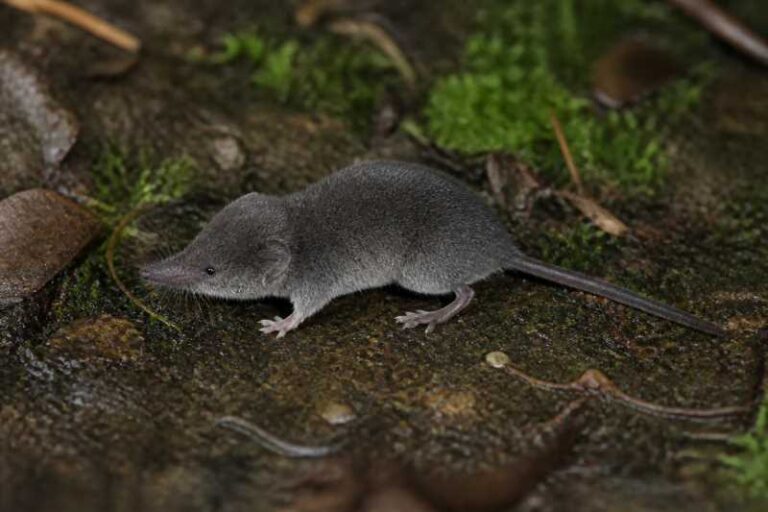
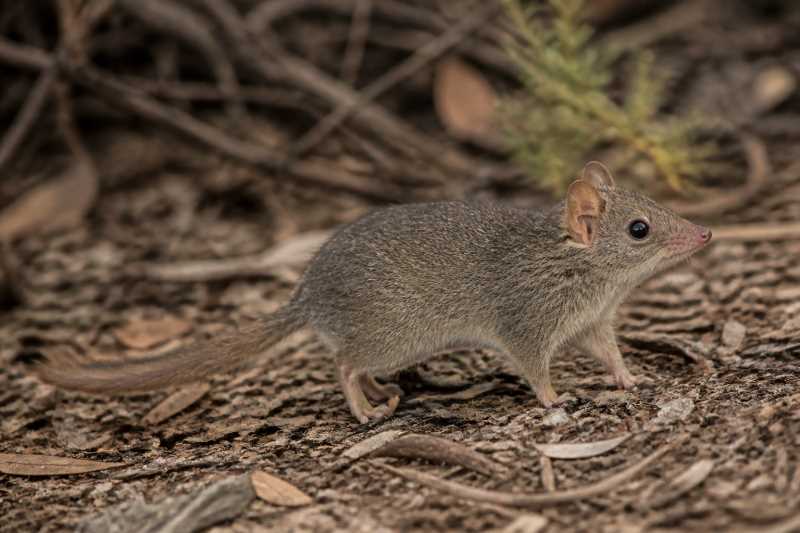
Subtropical Antechinus are small, mouse-like marsupials with distinct features. They typically weigh between 20 to 50 grams and measure up to 15 centimeters in body length, excluding the tail, which can add another 10 to 15 centimeters. Their fur is predominantly a mix of gray and brown tones, providing excellent camouflage against the forest floor.
The head of the Subtropical Antechinus is characterized by a pointed snout, small rounded ears, and sharp teeth adapted for an insectivorous diet. Their limbs are strong and well-suited for climbing and foraging in their arboreal habitats. Notably, during the breeding season, males develop a distinctive orange-brown patch on their flanks, which is not observed in females.
Range and Habitat
The Subtropical Antechinus is primarily found in the subtropical rainforests of eastern Australia, particularly in the regions of New South Wales and Queensland. Their habitat is characterized by dense vegetation, fallen logs, and a rich undergrowth, which provides ample cover and resources for survival.
These marsupials are arboreal and terrestrial, utilizing both the ground and trees for foraging and nesting. Their range is limited to areas with high humidity and consistent rainfall, which supports a diverse insect population, their primary food source.
Behavior and Diet
Subtropical Antechinus are predominantly nocturnal, engaging in most of their activities during the night. Their behavior is marked by a high level of activity and energy expenditure, particularly during the breeding season. Notably, the males engage in a phenomenon known as ‘suicidal reproduction,’ where they engage in intense mating bouts that lead to the death of nearly all males due to stress-induced immune system collapse.
Their diet consists mainly of insects and other invertebrates, which they hunt using their acute sense of smell and hearing. They are opportunistic feeders and will consume a wide variety of prey, including spiders, beetles, and caterpillars.
Identification Tips (Field Recognition Cues)
Identifying the Subtropical Antechinus in the wild requires attention to several key characteristics:
- Size and Shape: Look for a small, mouse-like creature with a pointed snout and long tail.
- Fur Coloration: Observe the gray-brown coloration, which helps them blend into their environment.
- Behavior: Note their active, nocturnal foraging behavior, often seen scurrying amongst leaf litter or climbing trees.
- Distinctive Markings: During the breeding season, male Subtropical Antechinus may show orange-brown flank patches.
Conservation Status (with Threats and Protections)
The Subtropical Antechinus is currently listed as a species of least concern by the IUCN. However, their populations face several threats, primarily due to habitat destruction caused by logging, agricultural expansion, and urban development. Climate change also poses a significant risk by altering their subtropical habitat and affecting food availability.
Conservation efforts are focused on protecting their natural habitats through the establishment of protected areas and promoting sustainable land-use practices. Additionally, research is ongoing to monitor population dynamics and better understand the ecological requirements of this species.
Frequently Asked Questions
1. What is the breeding season of the Subtropical Antechinus?
The breeding season for the Subtropical Antechinus occurs once a year, typically during the austral winter months of August to September. During this time, males engage in intense and competitive mating behavior.
2. How can I help in conserving the Subtropical Antechinus?
You can contribute to the conservation of the Subtropical Antechinus by supporting habitat preservation initiatives and sustainable forestry practices. Raising awareness about the species and its ecological role also aids in its protection.
3. Are Subtropical Antechinus dangerous to humans?
No, Subtropical Antechinus are not dangerous to humans. They are small, shy creatures that pose no threat and typically avoid human interaction.
4. Why do male Subtropical Antechinus die after breeding?
Male Subtropical Antechinus undergo a stressful breeding period that leads to a breakdown of their immune system, resulting in high mortality rates after mating. This phenomenon is a natural part of their life cycle.
5. What adaptations help the Subtropical Antechinus survive in its habitat?
The Subtropical Antechinus has several adaptations, including its arboreal agility, keen senses for hunting insects, and fur coloration for camouflage, all of which facilitate survival in their rainforest habitats.
Related posts