Introduction
The Steppe Pika (Ochotona pusilla) is a small mammal belonging to the family Ochotonidae, which is closely related to rabbits and hares. This species is one of the least known among the pikas, yet it plays a crucial role in its native ecosystems. The Steppe Pika is primarily found in the steppes of Central Asia and is adapted to living in grassland habitats with harsh climatic conditions. This article delves into the fascinating world of the Steppe Pika, covering its physical characteristics, habitat preferences, behavior, diet, and conservation status.
Physical Description
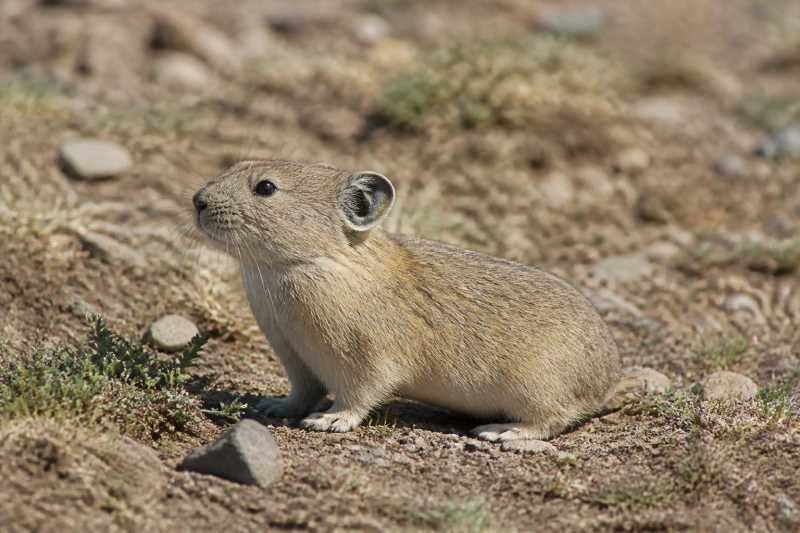
The Steppe Pika is a diminutive creature, with an average body length ranging from 15 to 20 centimeters and a weight of approximately 100 to 200 grams. Unlike their lagomorph relatives, pikas do not have visible tails. They possess short limbs and rounded ears, which help them to conserve heat in cold environments. The fur of the Steppe Pika is soft and dense, providing excellent insulation against the elements. The coloration of their fur is typically sandy brown to grayish-brown, which allows them to blend seamlessly into their dry, grassy surroundings.
One of the most distinctive features of the Steppe Pika is its large, rounded ears, which are smaller compared to those of other pika species. These ears are adapted to minimize heat loss in the cold steppe climates. Their hind limbs are slightly longer than their forelimbs, enabling them to make quick, agile movements across their rugged terrain.
Range and Habitat
The Steppe Pika’s range extends across the vast steppes of Central Asia, including regions in Russia, Kazakhstan, Mongolia, and China. This species is especially prevalent in the semi-arid and arid grasslands where the environment is characterized by extreme temperatures, low precipitation, and sparse vegetation.
Steppe Pikas prefer habitats with loose, sandy soils that allow them to dig burrows easily. These burrows provide them with shelter from predators and harsh weather conditions. They are typically found in open areas with scattered shrubs and grasses, which offer both food and cover. The presence of these mammals is often an indicator of healthy steppe ecosystems, as they contribute to soil aeration and nutrient cycling through their burrowing activities.
Behavior and Diet
Steppe Pikas are primarily diurnal, meaning they are active during the day. They are known for their energetic and social behavior, often engaging in vocal communication with other members of their colony. Their vocalizations serve various purposes, including alerting others to the presence of predators and maintaining social cohesion within the group.
The diet of the Steppe Pika is predominantly herbivorous, consisting of grasses, herbs, and shrubs native to their steppe habitat. They have a unique feeding strategy known as "haymaking," where they collect and store vegetation in their burrows as a food reserve for the long, harsh winters. This behavior is critical for their survival, as food availability is significantly reduced during the colder months.
Identification Tips (Field Recognition Cues)
Identifying the Steppe Pika in the field can be challenging due to its small size and cryptic coloration. However, there are several key features to look for:
- Size and Shape: Look for a small, rounded body with short limbs and no visible tail.
- Ears: Note the small, rounded ears that are less prominent than those of other pika species.
- Fur Color: Observe the sandy to grayish-brown fur, which blends well with the surrounding grassland.
- Vocalizations: Listen for their distinctive calls, which are often high-pitched and serve as an alert system for the colony.
- Burrows: Spotting their burrows can also indicate their presence in an area.
Conservation Status (With Threats and Protections)
The Steppe Pika is currently listed as a species of "Least Concern" by the International Union for Conservation of Nature (IUCN). However, this status does not imply that the species is free from threats. The primary threats facing Steppe Pikas include habitat loss due to agricultural expansion, overgrazing by livestock, and climate change, which alters their native steppe ecosystems.
Conservation efforts are essential to mitigate these threats and include habitat protection, sustainable land management practices, and monitoring of Steppe Pika populations. Additionally, raising awareness about the ecological importance of pikas can encourage local communities to participate in their conservation.
Frequently Asked Questions
What is the natural habitat of the Steppe Pika?
The Steppe Pika inhabits the grasslands and steppes of Central Asia, including parts of Russia, Kazakhstan, Mongolia, and China. They prefer open areas with loose, sandy soils for burrowing.
How does the Steppe Pika survive harsh winters?
Steppe Pikas engage in "haymaking," gathering and storing vegetation in their burrows to sustain themselves during the winter when food is scarce.
What threats do Steppe Pikas face in the wild?
The main threats include habitat loss due to agriculture, overgrazing by livestock, and climate change that alters their steppe habitats.
Are Steppe Pikas social animals?
Yes, Steppe Pikas are social creatures that communicate through vocalizations and live in colonies, which provide protection and aid in resource gathering.
How can one identify a Steppe Pika in its natural habitat?
Look for small, rounded bodies with sandy to grayish-brown fur, small rounded ears, and listen for their high-pitched calls. Spotting their burrows can also indicate their presence.
Related posts